Fiery Rhubarb & Ginger Jam: Preserve That Red Color!
By City Self-Sufficiency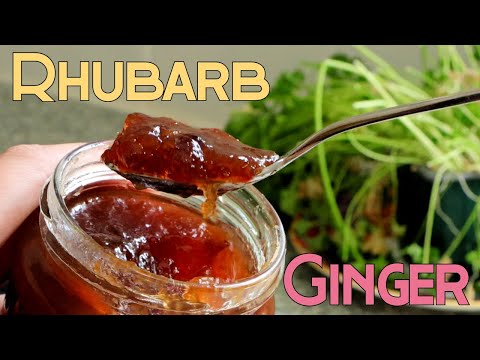
PermaNews Brief
Key Takeaways
Make a vibrant rhubarb and ginger jam by slow heating, rapid boiling, and a specific sugar ratio to preserve color and achieve a perfect set.
- Preserve rhubarb color with quick, high-heat boiling.
- Use 700g sugar per kilo of rhubarb.
- Macerate rhubarb overnight to draw out moisture.
- Ginger adds a fiery kick; adjust to taste.
- Test jam setting point using a chilled plate.
Why It Matters
Homemade jams reduce food waste and offer delicious, shelf-stable preserves for your pantry, perfect for leveraging seasonal produce.
What to Do Next
Watch the video to see the jam-making process in action, paying close attention to the cooking stages and setting point tests.
Recommended for: Anyone interested in home food preservation with seasonal produce, especially those who enjoy a sweet and spicy flavor profile.
This article outlines a recipe for a rhubarb and ginger jam, emphasizing a method that aims to preserve the vibrant red color of the rhubarb while creating a flavorful, slightly spicy preserve. The process begins with preparing the rhubarb, which involves washing and chopping it into small pieces, approximately 1-2 cm in length. The author suggests that peeling the rhubarb is generally unnecessary, especially for younger, more tender stalks, as the skin contributes to the jam's color and texture.
Once chopped, the rhubarb is combined with sugar. The ratio recommended is 700g of sugar for every kilogram of rhubarb. This mixture is then left to macerate, ideally overnight or for at least a few hours, to allow the sugar to draw out the moisture from the rhubarb. This step is crucial for developing the jam's flavor and ensuring a good set. During this maceration period, the rhubarb will release a significant amount of juice, forming a syrupy mixture.
The next stage involves preparing the ginger. Fresh ginger is peeled and grated or very finely chopped. The amount of ginger can be adjusted to personal preference, but the recipe suggests a quantity that provides a noticeable "fiery" kick without overpowering the rhubarb. The prepared ginger is then added to the rhubarb and sugar mixture.
The cooking process begins by gently heating the rhubarb, sugar, and ginger mixture in a large, heavy-bottomed pan. The initial heating should be slow to ensure the sugar dissolves completely before the mixture comes to a boil, preventing crystallization. Once the sugar has dissolved, the heat is increased, and the jam is brought to a rolling boil. The author stresses the importance of maintaining a vigorous boil to achieve the desired setting point quickly, which helps to preserve the fresh flavor and color of the rhubarb.
To test for the setting point, several methods are described. One common technique involves placing a small spoonful of the hot jam onto a chilled plate. After a minute or two, if the jam wrinkles when pushed with a finger, it has reached its setting point. Another indicator is the temperature; a jam thermometer should read around 104-105°C (219-221°F). The author also mentions the "flake test," where a spoonful of jam is lifted from the pan, and if it drips off in a sheet or flake rather than individual drops, it's ready.
Once the jam has reached its setting point, it is removed from the heat. The author suggests allowing the jam to cool slightly in the pan for about 10-15 minutes before jarring. This brief cooling period helps to distribute the fruit more evenly throughout the jars and prevents the fruit from sinking to the bottom.
Sterilization of jars and lids is a critical step for ensuring the jam's longevity. The article advises washing jars thoroughly in hot soapy water, rinsing them, and then sterilizing them in an oven at a low temperature (around 120°C or 250°F) for at least 15-20 minutes, or by boiling them. Lids should also be sterilized, typically by boiling them for a few minutes.
Finally, the hot jam is carefully ladled into the warm, sterilized jars, leaving a small headspace at the top. The lids are then securely fastened. As the jam cools, a vacuum seal will form, indicated by the lid "popping" inwards. The finished rhubarb and ginger jam is described as having a vibrant color, a balance of sweet and tart flavors from the rhubarb, and a warming, spicy note from the ginger, making it suitable for various culinary uses.
Source: youtube.com
Related Analysis
- Regenerative Farmers Flip Cover Crop Logic From Compliance to Profit — Practitioner accounts and a new meta-analysis suggest cover cropping is being reframed from conservation practice to pro…
- Farmers Convert Six Weeks of Rhubarb Into 25-Year Supply — Initial signals suggest a rhubarb preservation technique can extend a brief seasonal harvest into 25 years of storage—a …
Related on PermaNews
- Turn 6 Weeks of Rhubarb Into 25 Years of Storage (Video)
- Turn 6 Weeks of Rhubarb Into 25 Years of Storage (Video)
- Chris Locke - Fermentation Is the Zero-Waste Key: Turning Juiced Limes into Four Products at Baldío (Video)
- Sicher Einkochen: Drucktopf-Methoden für resiliente Vorräte 2024/25 (How-To Guide)
- Solarrauchkammer bauen: Fleisch & Fisch nachhaltig räuchern (How-To Guide)
- Holzers Fermentations-Guide: Gemüse & Sauerkraut haltbar machen (How-To Guide)
Explore more in Food Systems & Growing — the full hub for this knowledge area.