Food Growing: Simpler Than You Think?
By Huw Richards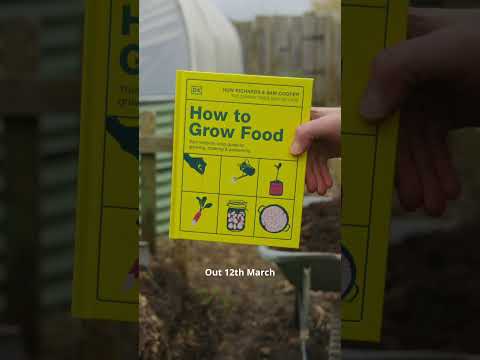
TL;DR: Growing your own food is simpler than often perceived, largely due to misconceptions about space, tools, and knowledge.
- Small spaces are sufficient for significant food production.
- Basic tools and repurposed items are enough for beginners.
- Many common plants are resilient and easy to grow.
- Start with accessible plant varieties like radishes or lettuce.
Why it matters: Understanding these basic principles can empower individuals to start growing their own food, fostering self-sufficiency and promoting sustainable living practices.
Do this next: Begin by planting an easy-to-grow vegetable in a container, like lettuce or radishes.
Recommended for: Anyone interested in starting to grow their own food but intimidated by perceived complexities and resource requirements.
The process of cultivating one's own food is often perceived as a complex endeavor, leading many to believe it requires extensive knowledge, significant time commitment, and a substantial financial investment. However, a closer examination reveals that while certain aspects can indeed be intricate, the fundamental principles of growing food are surprisingly straightforward and accessible to most individuals. The perceived complexity often stems from a misunderstanding of basic horticultural practices and an overestimation of the resources needed.
One common misconception is that a large plot of land is essential for successful food production. In reality, a considerable amount of food can be grown in relatively small spaces, such as balconies, patios, or even windowsills, using containers or vertical gardening techniques. The key is to select appropriate plant varieties that thrive in confined conditions and to optimize the available light and space. For instance, herbs, leafy greens, and many types of berries can be cultivated effectively in pots, requiring minimal ground area.
Another factor contributing to the perception of complexity is the belief that specialized tools and expensive equipment are prerequisites. While advanced tools can certainly make gardening tasks easier, they are by no means indispensable for beginners. Basic hand tools like a trowel, a small spade, and a watering can are often sufficient to get started. Many everyday household items can also be repurposed for gardening, such as old containers for planting or kitchen scraps for composting, further reducing the need for specialized purchases.
The notion of requiring extensive botanical knowledge is another barrier for many aspiring growers. While understanding plant biology can be beneficial, it is not a prerequisite for initial success. Many common food plants are quite resilient and forgiving, tolerating a range of conditions. Starting with easy-to-grow varieties, such as radishes, lettuce, or beans, can build confidence and provide practical experience. As one gains more experience, a deeper understanding of plant needs and environmental factors can be gradually acquired.
Time commitment is also a frequently cited concern. While gardening does require consistent attention, it doesn't necessarily demand hours of daily labor. Many tasks, such as watering, weeding, and harvesting, can be broken down into short, manageable intervals throughout the week. Furthermore, certain gardening methods, like raised beds or no-dig gardening, can significantly reduce the amount of time spent on soil preparation and maintenance. The time investment can also be viewed as a form of relaxation and a connection with nature, rather than a burdensome chore.
The financial aspect is another area where perceptions can be misleading. While it is possible to invest heavily in gardening supplies, it is equally possible to start with a minimal budget. Seeds are generally inexpensive, and many plants can be propagated from cuttings or divisions, further reducing costs. Composting kitchen and yard waste provides a free and effective way to enrich soil, eliminating the need for purchased fertilizers. The long-term financial benefits of growing one's own food, such as reduced grocery bills and access to fresh, organic produce, often outweigh the initial investment.
In essence, the perceived complexity of growing food is often a result of overthinking and an emphasis on ideal conditions rather than practical realities. By focusing on simple, adaptable methods, utilizing readily available resources, and starting with manageable goals, individuals can discover that cultivating their own food is not only achievable but also a rewarding and empowering experience. The journey of growing food can be as simple or as intricate as one chooses to make it, with ample opportunities for learning and adaptation along the way.