Cover Crops as Mulch? Plus, Fill Dirt Warning!
By No-Till Growers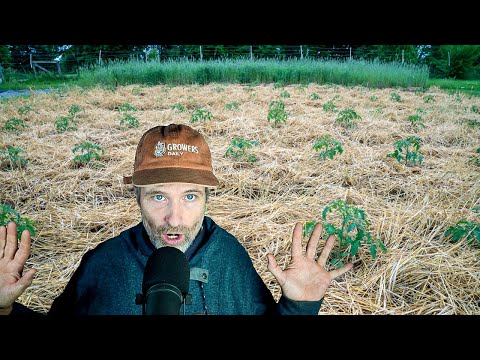
PermaNews Brief
Key Takeaways
Cover crops offer a sustainable way to build soil health, suppress weeds, and retain moisture, but their effectiveness as mulch depends on proper selection and management.
- Cover crops suppress weeds naturally, reducing herbicide use.
- They improve soil structure, aeration, and water retention.
- Decomposing cover crops enrich soil with organic matter.
- Crop type, termination timing, and method are crucial.
- High-biomass crops like cereal rye make excellent mulch.
Why It Matters
Integrating cover crops into farming practices can significantly reduce reliance on synthetic inputs, enhance biodiversity, and improve long-term farm resilience.
What to Do Next
Research local cover crop varieties suitable for your climate and soil type.
Recommended for: Farmers and gardeners interested in sustainable soil management, weed control, and reducing chemical use.
The article from No-Till Growers explores the dual utility of cover crops, specifically their potential as an effective mulch layer, and also delves into a cautionary tale regarding the use of fill dirt in agricultural settings.
Regarding cover crops as mulch, the discussion highlights their significant benefits in no-till and regenerative farming systems. The primary advantage is their ability to suppress weeds. By establishing a dense canopy, cover crops outcompete undesirable plants for sunlight, water, and nutrients, effectively reducing the need for manual weeding or herbicide application. This natural weed control is a cornerstone of sustainable agriculture, minimizing labor and environmental impact.
Beyond weed suppression, cover crops contribute substantially to soil health. As they grow, their root systems penetrate and aerate the soil, improving its structure and drainage. When terminated and left on the surface, they decompose, adding organic matter back into the soil. This organic matter enhances soil fertility, increases water retention capacity, and provides a food source for beneficial soil microorganisms. The decomposition process also slowly releases nutrients, making them available to subsequent cash crops.
The article emphasizes that the effectiveness of cover crops as mulch depends on several factors, including the type of cover crop chosen, the timing of its termination, and the method of termination. For instance, high-biomass cover crops like cereal rye or sudangrass are particularly effective at creating a thick, long-lasting mulch layer. Terminating them at the right stage, typically before they set seed but after they've accumulated substantial biomass, maximizes their mulching potential. Methods of termination, such as crimping or rolling, are preferred in no-till systems as they leave the plant residue on the surface, forming the desired mulch.
Another key benefit discussed is the moderation of soil temperature and moisture. The mulch layer acts as an insulator, protecting the soil from extreme heat in summer and cold in winter. This temperature regulation creates a more stable environment for plant roots and soil biology. Furthermore, the mulch reduces evaporation from the soil surface, conserving moisture, which is particularly crucial in drought-prone areas or during dry spells. This moisture retention can lead to reduced irrigation needs, saving water and associated costs.
The article also touches upon the potential for cover crops to reduce soil erosion. The dense canopy and root systems hold soil in place, preventing wind and water erosion, especially on sloped land or during heavy rainfall events. This protection of topsoil is vital for long-term agricultural productivity.
In contrast to the positive aspects of cover crops, the article presents a cautionary narrative concerning the use of "fill dirt." This segment serves as a stark reminder of the importance of understanding the origin and composition of materials brought onto a farm. The "uh oh" in the title refers to the potential negative consequences of introducing unknown or contaminated fill dirt.
The primary concern with fill dirt is the risk of introducing undesirable elements into the farm ecosystem. This can include weed seeds, which can quickly infest fields and undermine efforts at weed control. More seriously, fill dirt can contain contaminants such as heavy metals, industrial chemicals, or construction debris. These contaminants can degrade soil quality, harm beneficial soil organisms, and even render crops unsafe for consumption. The article implicitly warns that once these contaminants are introduced, they can be extremely difficult and costly to remove, potentially impacting the land's productivity and value for many years.
The narrative underscores the importance of due diligence when sourcing any external materials for agricultural use. It suggests that farmers should thoroughly investigate the origin and composition of fill dirt, perhaps even conducting soil tests, before incorporating it into their fields. The long-term health and productivity of the farm depend on maintaining the integrity of its soil, and introducing unknown materials carries significant risks that can outweigh any perceived short-term benefits.
In summary, the article provides a comprehensive look at the multifaceted benefits of using cover crops as mulch in regenerative agriculture, emphasizing their roles in weed suppression, soil health improvement, moisture conservation, and erosion control. Simultaneously, it
Source: youtube.com
Related Analysis
- Food Forest Courses Shift From Theory to Build-Ready Skills — Several food forest courses now open with site assessment and guild-building rather than design theory, suggesting a dev…
- Practitioners Build Silvopasture Playbook Before Researchers Catch Up — A small but consistent set of signals from the Northeast U.S. shows farmers actively piloting silvopasture while formal …
Related on PermaNews
- Regenerative Farming: Cultivating Healthy Soil & Biodiversity (How-To Guide)
- Rodale Institute: Soil Health Principles for Regenerative Ag (How-To Guide)
- Boost Soil Health: Permaculture's Regenerative Methods (How-To Guide)
- Transforming Farm Management for Sustainable Living with Tom Cotter (Podcast)
- Boost Crop Yields: Free Soil Health Academy Methods (How-To Guide)
- Regenerative Farming: Grow Food, Heal Earth with Pitaya Foods (How-To Guide)
Explore more in Food Systems & Growing — the full hub for this knowledge area.