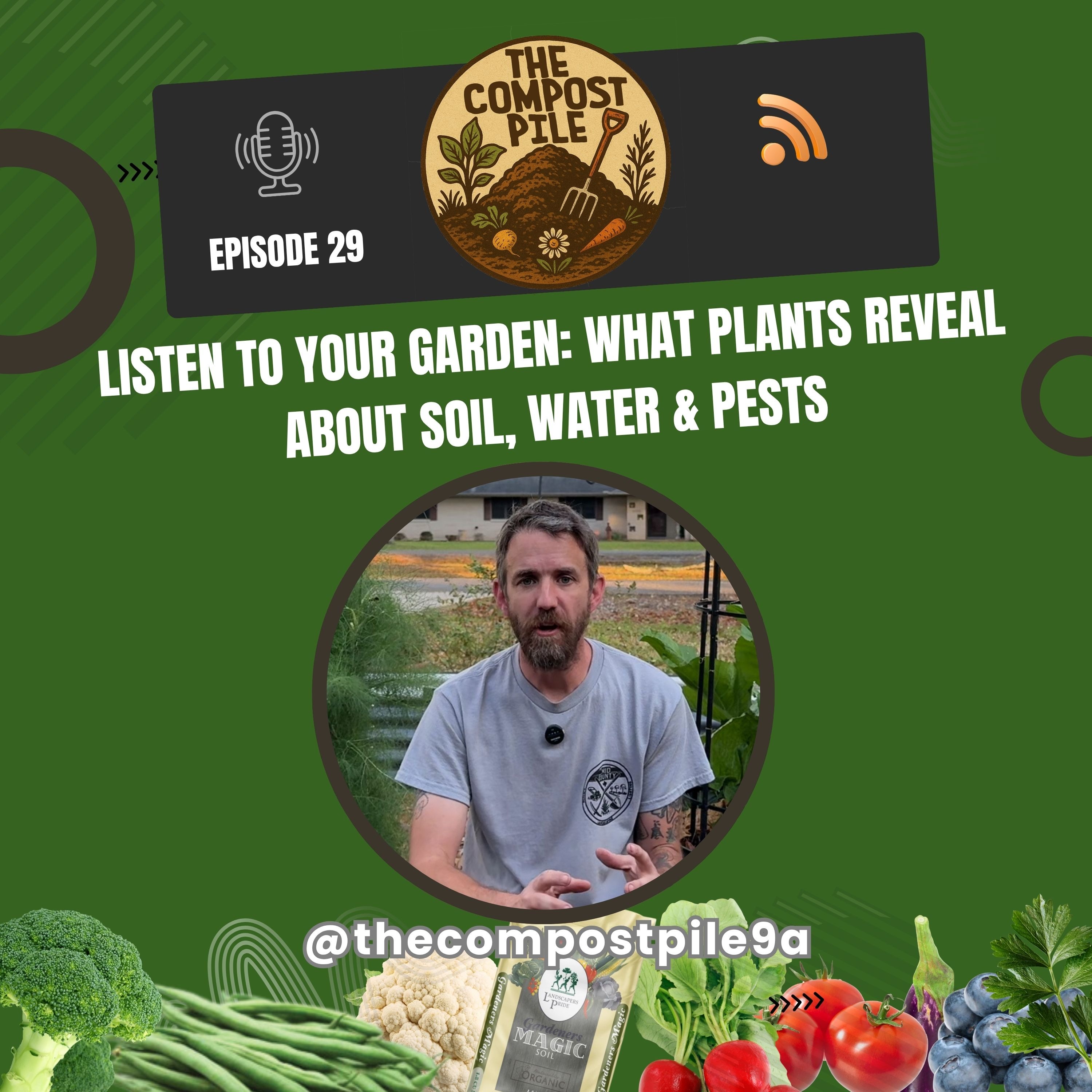
Listen to Your Garden: What Plants Reveal About Soil, Water & Pests
PermaNews Brief
Key Takeaways
Understanding plant signals enhances garden health and pest management.
- Plants indicate soil health issues
- Observation skills improve gardening
- Yellow leaves signal nutrient deficiencies
- Weeds reveal soil conditions
- Healthy soil fosters microbial life
Why It Matters
Mastering observational skills can significantly enhance your gardening success, ensuring plants thrive in the right conditions.
What to Do Next
Listen to the episode for detailed guidance on observations.
Permaculture Context
For permaculture practitioners, the real significance of observational gardening isn't just diagnostic — it's the foundation of a closed-loop feedback system that makes external inputs progressively unnecessary. When you learn to read yellowing leaves as nitrogen cycling issues rather than deficiency problems requiring amendment, or recognize specific weed species as indicators of compaction, drainage failure, or pH imbalance, you're building genuine ecological literacy that no bag of fertilizer can replace. This matters enormously for anyone designing for long-term resilience, because it shifts decision-making from reactive purchasing to systemic pattern recognition. In Zone 9A and similarly challenging climates, this skill becomes even more critical — heat stress, fungal pressure, and pollination disruption compound quickly, and a gardener who waits for obvious failure has already lost weeks of growing season. The deeper implication is that observation is itself a regenerative act: consistent, attentive presence in your growing space accelerates your understanding of local ecology faster than any textbook, ultimately reducing your dependency on outside expertise, external inputs, and emergency interventions — the hallmarks of a genuinely self-reliant food system.
Recommended for: Gardeners seeking to enhance their observational skills.
In this solo episode of The Compost Pile, David walks through the garden discussing one of the most important gardening skills you can develop: observation. Plants are constantly giving us signs about what’s happening in the soil, root zone, and environment around them — from yellowing leaves and blossom end rot to pest damage, pollinator activity, fungal growth, and even weeds.Learn how to identify common garden issues naturally by paying attention to foliage color, wilting, fruit development, mushrooms in the soil, pollinator behavior, and overall plant structure. David also discusses nutrient deficiencies, moisture stress, caterpillar damage, pollination issues in Southeast Texas heat, soil compaction, and why healthy soil biology matters.Topics Covered: • Yellow leaves and nutrient deficiencies • Blossom end rot in tomatoes • Heat stress vs underwatering • Worm and caterpillar damage • Pollination problems in hot, humid climates • Mushrooms and healthy soil biology • Pollinator-friendly planting strategies • What weeds can tell you about your soil • Observational gardening techniques • Organic gardening insights for Zone 9AWhether you're growing vegetables, flowers, herbs, or pollinator plants, this episode will help you better understand the signals your garden is sending you.Gardening OrganicGardening Zone9a Homesteading VegetableGarden PollinatorGarden Tomatoes SoilHealth GardenTips Compost PlantHealth TheCompostPile SoutheastTexasGardening GardenProblems RaisedBedGardening
Source: rss.com
Related Analysis
- Is It Cheaper to Raise Backyard Chickens for Eggs? The Real Per-Dozen Math — Does raising backyard chickens actually save money on eggs? In the US as of 2026, the honest answer is: usually not in y…
- Is Home Canning Worth It? What a Season Actually Pays Back — Home canning's financial case is real but conditional: the setup pays off fastest when you supply your own garden produc…
Related on PermaNews
- Borneo's Rainforest Revival: Dr. Smits' Sugar Palm Village Hub (Case Study)
- Holmgren's 40 Yrs: Abundant Permaculture Design Webinar 3 (Video)
- Homesteader AJ Richards Shares Insights from Ag Secretary Meeting (Podcast)
- E62: Homesteader AJ Richards Talks Ag Policy with USDA Secretary (Podcast)
- Autarke Solarstromversorgung im Haus: Praxisnahes Konzept mit Photovoltaik, Speicher und Inselbetrieb (How-To Guide)
- Hands-on Permaculture - Extended Weekend Training (Event)
Explore more in Food Systems & Growing — the full hub for this knowledge area.