Compost Toilets: Bin Systems for Continuous Use
PermaNews Brief
Key Takeaways
This guide details building and managing rotatable compost toilet bins engineered for efficient liquid drainage and odor control, producing humanure for regenerative systems.
- Rotatable bins allow continuous compost toilet use.
- Grate design ensures solids separation and drainage.
- Tap assembly prevents liquid buildup and odors.
- Woodchips are crucial for liquid absorption.
- System supports self-sufficiency with humanure production.
- Hands-on construction ensures durable, practical waste management.
Why It Matters
Effective compost toilet design is crucial for nutrient cycling, waste management, and odor prevention in sustainable living, turning waste into valuable soil amendments.
What to Do Next
Gather materials (bins, galvanized mesh, irrigation pipe, bar chairs, tap assembly) to construct a prototype compost toilet bin.
Recommended for: Permaculture practitioners, homesteaders, and eco-conscious individuals looking to implement a robust and self-sufficient humanure composting system.
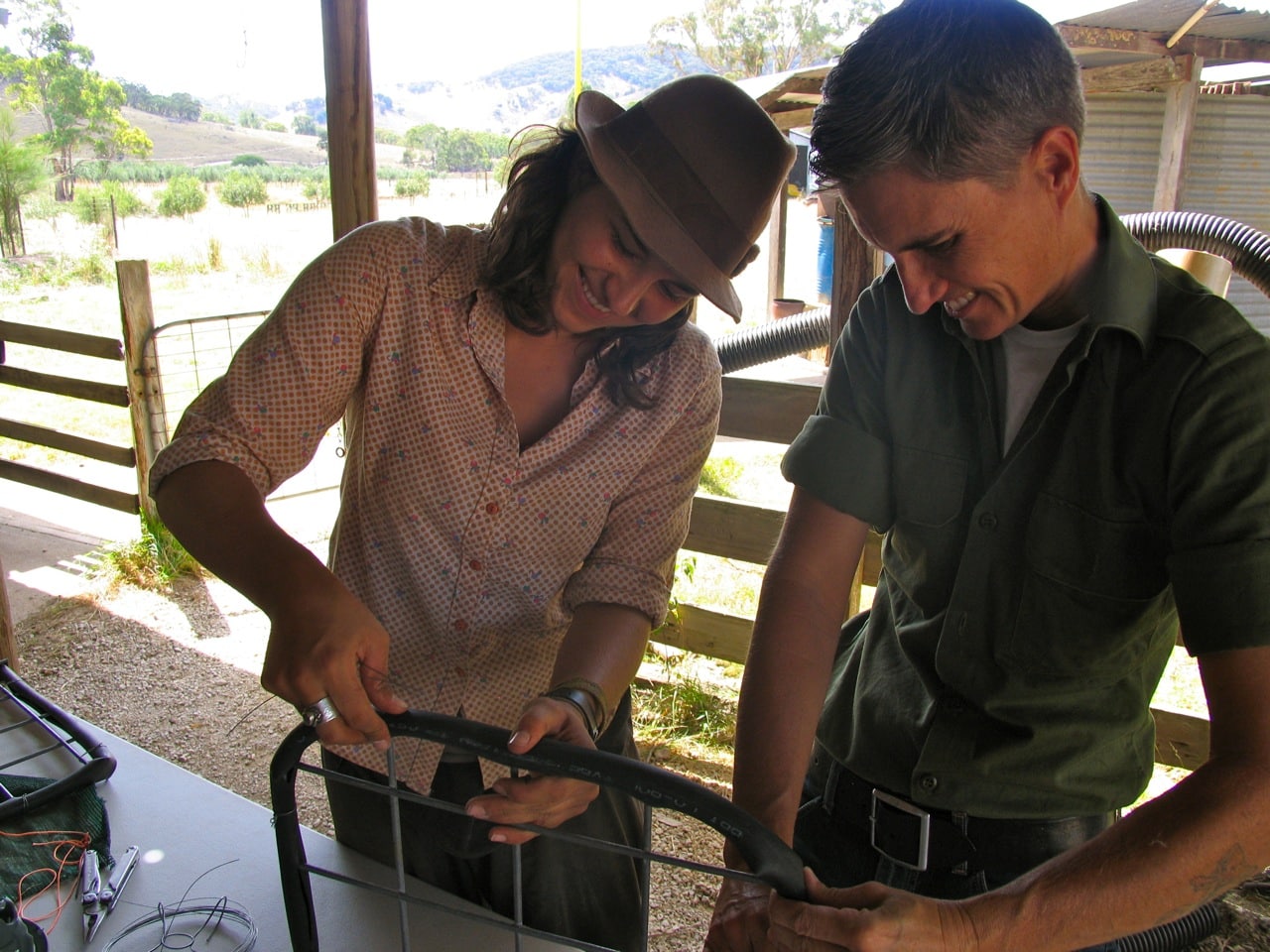
This in-depth article details a practical, field-tested bin system for compost toilets, using rotatable bins for continuous use in permaculture setups. When one bin fills, roll it out to mature in the sun, replace with an empty one, and lock in place. Each bin features a homemade grate 5cm off the bottom, made from galvanized steel mesh with a polyethylene pipe surround (19mm low-density irrigation pipe) wired on, plus a shadecloth cover to filter particles. The grate is elevated by wiring to four bar chairs (plastic rebar supports), creating a permeable barrier for liquids to drain while solids and woodchips stay above. Excess liquid drains via a basic tap assembly: tank flange, gate valve, and snap-on hose fitting, with shadecloth screening the inlet to prevent clogs. Climbing into the bin is required to attach the flange, emphasizing rugged, hands-on construction. This prevents flooding, which causes anaerobic conditions, odors, and nitrogen loss—critical for odor-free operation. Woodchips absorb most liquids, minimizing drainage needs. The system supports self-sufficiency by producing humanure compost after maturation, suitable for regenerative farming. Practitioners gain specifics on grate fabrication, tap plumbing, and bin rotation logistics, enabling scalable setups for households or communities. It's proven in real-world use, balancing simplicity with effectiveness for low-impact living.
Source: milkwood.net
Related Analysis
- What Climate-Adapted Natural Building Actually Costs in Germany — Climate-adapted natural building in Germany — spanning straw bale, rammed earth, hempcrete, and Passive House-certified …
- Natural Builders Swap Whole-Structure Cob for Hybrid Wall Systems — Several sources suggest natural builders are dividing straw bale and cob by solar orientation within single homes—a func…
Related on PermaNews
- Ernst Götsch's Cacao Syntropy: Master Agroforestry Now (How-To Guide)
- Finnish Off-Grid: Rocket Mass Heater Performance in Greenhouse (Case Study)
- Berlins schwimmende Gärten: Permakultur auf dem Wasser (Case Study)
- Rodale Report 2025: Thermal Mass Boost in Solar Greenhouses (Case Study)
- Nakivale's Regenerative Toilets: Refugee Resilience, Circular Sanitation (Case Study)
- AUTarcaMatricultura La Palma: Permakultur & Energieautarkie (How-To Guide)
Explore more in Shelter, Energy & Infrastructure — the full hub for this knowledge area.