Garden Furniture: Selecting Durable Materials for All Seasons
By Ricardo Orlando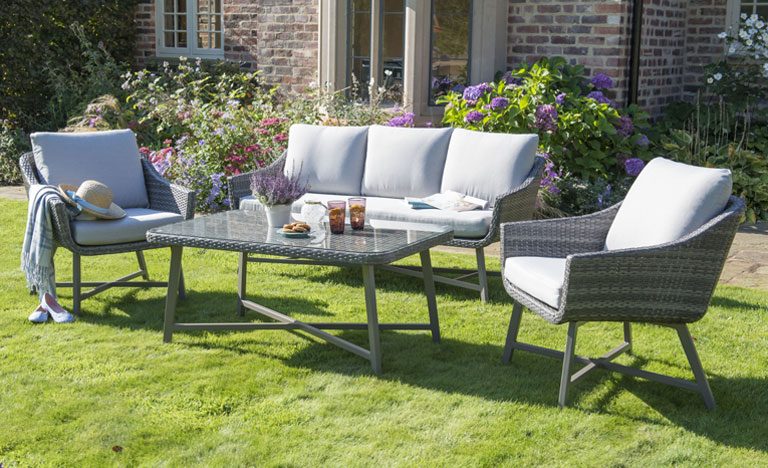
PermaNews Brief
Key Takeaways
Selecting durable garden furniture materials, such as teak or aluminum, ensures longevity and minimizes upkeep in diverse weather conditions.
- Consider material composition for durability and maintenance.
- Teak offers natural resistance but is costly.
- Aluminum is lightweight, rust-resistant, and low maintenance.
- Wrought iron is durable but requires rust prevention.
- Softwoods are budget-friendly but need more treatment.
Why It Matters
Choosing the right garden furniture material prevents premature degradation and reduces long-term replacement or repair costs.
What to Do Next
Assess your local climate and desired maintenance level before purchasing outdoor furniture.
Recommended for: Anyone seeking to invest in durable and appropriate garden furniture for their specific environmental conditions and lifestyle.
The selection of appropriate materials for garden furniture is a crucial consideration, particularly when anticipating the transition from warmer months to the more challenging conditions of autumn and winter. While the immediate focus might be on enjoying outdoor spaces during pleasant weather, the longevity and maintenance requirements of furniture are heavily influenced by its material composition and how well it withstands environmental stressors.
One popular option for garden furniture is wood. Various types of wood offer distinct advantages and disadvantages. Teak, for instance, is highly prized for its natural resistance to rot, insects, and moisture due to its high oil content. This makes it an excellent choice for outdoor use, though it typically comes at a higher price point. Other hardwoods like acacia or eucalyptus also offer good durability and can be more budget-friendly, but they often require more regular sealing or treatment to maintain their condition and prevent weathering. Softwoods, such as pine or cedar, are generally less expensive but are also less durable and more susceptible to decay if not properly treated and maintained. Regardless of the wood type, regular cleaning and occasional re-oiling or sealing are usually necessary to preserve its appearance and structural integrity over time.
Metal furniture, encompassing materials like aluminum, wrought iron, and stainless steel, presents another set of considerations. Aluminum is lightweight, rust-resistant, and requires minimal maintenance, making it a convenient choice for many. It can be easily moved and stored, and its modern aesthetic often appeals to contemporary garden designs. Wrought iron, on the other hand, is significantly heavier and offers a classic, robust appearance. While very durable, it is prone to rust if its protective coating is compromised, necessitating regular inspection and touch-ups. Stainless steel provides excellent corrosion resistance and a sleek, modern look, but it can be more expensive than aluminum and may still show water spots or fingerprints, requiring occasional cleaning.
Synthetic materials, such as various types of plastic or resin wicker, have gained considerable popularity due to their low maintenance and weather resistance. High-quality synthetic wicker, often made from polyethylene, is designed to mimic the look of natural wicker while being impervious to moisture, UV radiation, and pests. It does not rot, fade, or unravel easily, making it a very practical choice for year-round outdoor use. Plastic furniture, while often the most affordable, can vary greatly in quality. Higher-grade plastics are more durable and UV-resistant, preventing brittleness and fading, whereas cheaper plastics may degrade quickly under harsh sunlight. These materials generally require only simple cleaning with soap and water.
Textile components, such as cushions and slings, also play a significant role in the comfort and durability of garden furniture. Outdoor fabrics are typically made from synthetic fibers like acrylic or polyester, which are treated to be water-resistant, UV-resistant, and mildew-resistant. The quality of these fabrics can vary, with higher-end options offering superior fade resistance and longevity. It's important to consider whether cushions are easily removable for cleaning or storage during inclement weather, as this can significantly extend their lifespan.
Ultimately, the best material choice depends on a balance of factors including budget, desired aesthetic, climate conditions, and the level of maintenance one is willing to undertake. For areas with harsh winters and frequent rain, materials with high natural resistance to moisture and decay, or those specifically engineered for outdoor durability, will be more suitable. Conversely, in milder climates, a wider range of materials might be viable with less intensive maintenance. Understanding the properties of each material allows for an informed decision that ensures garden furniture remains functional and appealing through all seasons.
Source: urbanfarmonline.com
Related Analysis
- Homeowners Retrofit Properties with Renewable Energy Solutions — Renewable energy retrofitting gains traction as regenerative agriculture principles inform home upgrades. Experts point …
- New Practices Build Climate-Resilient Cob Homes — Cob construction emerges as a key strategy in enhancing resilience against ecological challenges in permaculture systems…
Related on PermaNews
- Design Starts with Water (Video)
- Permaculture is Revolution Disguised as Gardening | David Holmgren—Wild & Kind series, Morag Gamble (Video)
- UN Issues AI Warning After New Data Reveals Major Impact on the Planet and Its Resources (Article)
- What is Permaculture? (Video)
- Nearly 300 Studies Link the Common Pesticide Chlorpyrifos to Multi-Organ Damage, DNA Disruption, and Chronic Disease (Article)
- Topsoil is the basis of life on Earth (Video)
Explore more in Shelter, Energy & Infrastructure — the full hub for this knowledge area.