From Loss to Little: Woman Builds Tiny Home, Regains Control
By Living Big In A Tiny House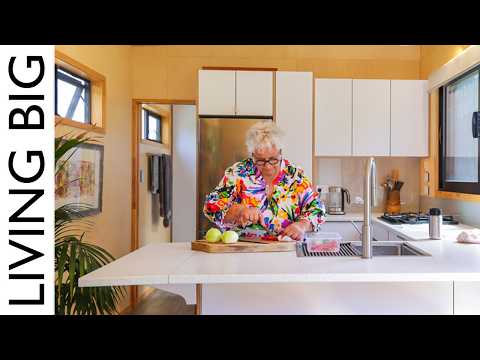
TL;DR: After losing her home, a woman chose to build a tiny house, regaining control and stability through self-sufficiency.
- Tiny homes offer a path to stability and self-sufficiency.
- Building a tiny home requires extensive research and planning.
- Hands-on construction allows for customization and empowerment.
- Resourcefulness is key to overcoming building challenges.
- Thoughtful design maximizes functionality in small spaces.
Why it matters: Building a tiny house can be a powerful way to reclaim financial independence and achieve a resilient lifestyle after significant upheaval.
Do this next: Research local tiny house regulations and building codes to understand initial feasibility.
Recommended for: Individuals interested in tiny living, self-sufficiency, and personal resilience through hands-on projects.
The article details the journey of a woman who, after experiencing a significant personal loss that included losing her home, decided to construct a tiny house as a means of regaining control and rebuilding her life. This individual, having faced a challenging period, sought a path toward stability and self-sufficiency, finding the tiny house movement to be a compelling solution.
Her previous living situation was disrupted by unforeseen circumstances, leading to a period of instability. This experience prompted a re-evaluation of her priorities and a desire for a more resilient and manageable lifestyle. The concept of a tiny house appealed to her not just for its affordability and reduced environmental footprint, but also for the sense of empowerment that comes with building and owning one's own dwelling.
The decision to embark on this project was not made lightly. It involved extensive research into tiny house designs, building codes, and the practicalities of living in a compact space. She dedicated considerable time to learning various construction techniques, often relying on online resources, workshops, and advice from experienced builders. This self-education was a crucial step in transforming her vision into a tangible plan.
The construction process itself was a significant undertaking. She opted to build the tiny house largely by herself, with some assistance from friends and family for more complex tasks. This hands-on approach allowed her to customize every aspect of the home to her specific needs and preferences. The article highlights the meticulous planning involved in maximizing the limited space, incorporating multi-functional furniture, and designing efficient storage solutions. Every inch of the tiny house was thoughtfully considered to ensure both functionality and comfort.
Challenges inevitably arose during the build, ranging from unexpected structural issues to financial constraints. However, the woman's determination and resourcefulness enabled her to overcome these obstacles. She learned to adapt, problem-solve, and even innovate, turning setbacks into opportunities for growth and learning. The process was not just about building a house; it was also about building resilience and self-confidence.
Upon completion, the tiny house became more than just a place to live; it represented a symbol of her recovery and newfound independence. The article emphasizes the sense of accomplishment and peace she found in her new home. Living in a tiny house allowed her to significantly reduce her living expenses, freeing up financial resources and reducing stress. This financial freedom contributed to a greater sense of security and control over her future.
Beyond the financial benefits, the tiny house lifestyle also fostered a deeper connection to her environment and a more intentional way of living. The smaller space encouraged minimalism and a focus on experiences rather than possessions. She found joy in the simplicity and efficiency of her new home, appreciating the reduced maintenance and the ability to easily relocate if desired.
The narrative concludes by illustrating how this personal project transformed her life. The tiny house became a foundation upon which she could rebuild, offering not just shelter but also a renewed sense of purpose and autonomy. Her story serves as an example of how a challenging life event can be a catalyst for positive change, leading to a more sustainable, fulfilling, and self-directed existence through the embrace of alternative living solutions.