Field Veg Crop Rotation Hub: Optimize Soil, Boost Yields
By Agricolgy.co.uk (various contributors including Joe Rolfe)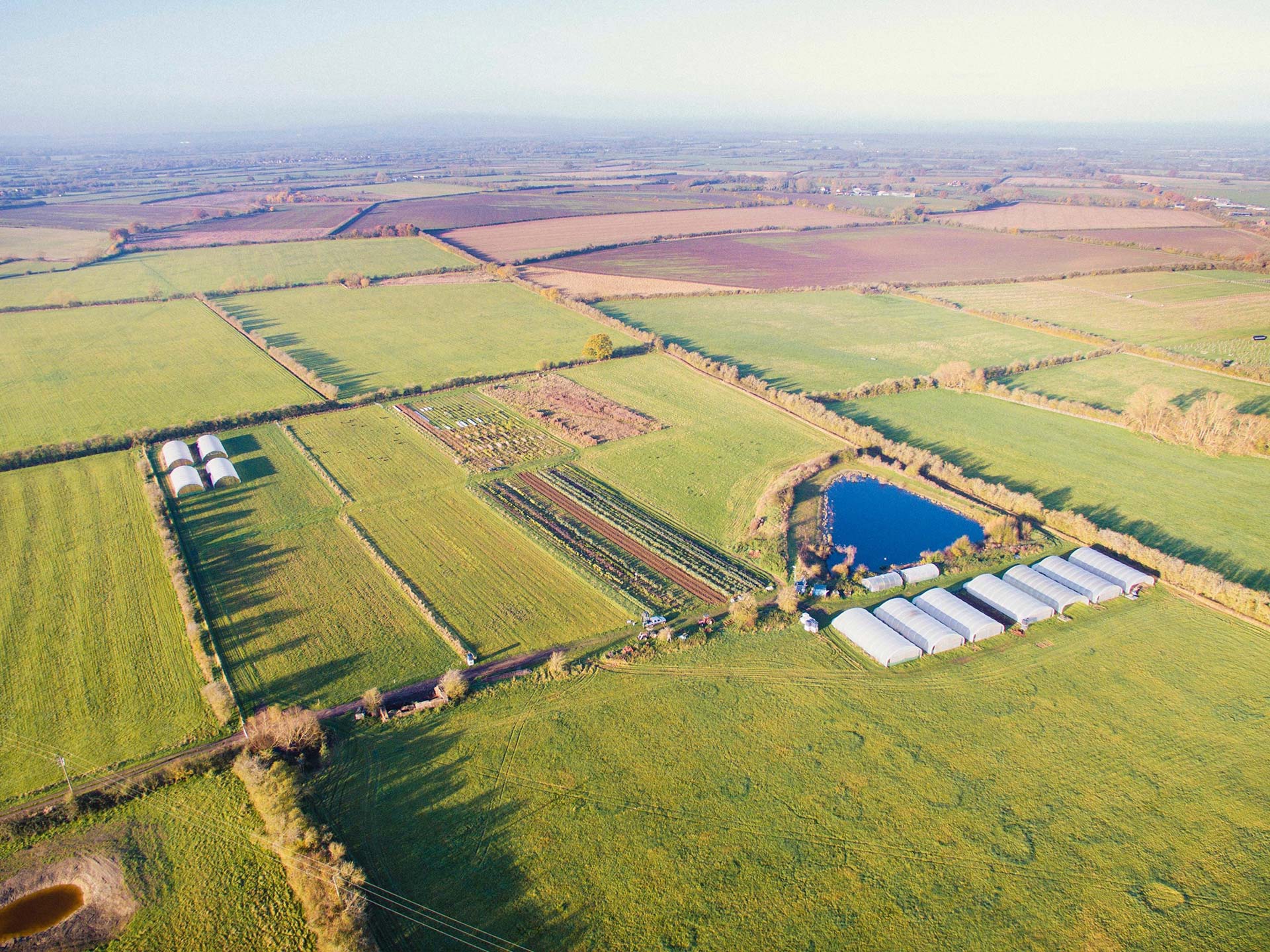
TL;DR: Optimizing field vegetable rotations builds soil health, prevents pests, and boosts fertility through diverse crops, cover cropping, and regular soil analysis.
- Diversify crops to maintain soil health.
- Incorporate legumes for natural nitrogen fixation.
- Utilize cover crops to suppress weeds and improve soil.
- Regularly test soil for nutrients and pH.
- Plan multi-year rotation cycles for sustainability.
Why it matters: Effective crop rotation reduces reliance on synthetic inputs, leading to healthier ecosystems, improved yields, and greater economic stability for growers.
Do this next: Conduct a soil test to understand your current nutrient levels and inform your rotation planning.
Recommended for: Field vegetable growers looking to implement or refine sustainable crop rotation strategies for healthier soil and better yields.
The Rotations for Field Vegetables Hub serves as a comprehensive resource dedicated to crop rotation strategies specifically tailored for field vegetable production. It covers the fundamentals of rotation design, emphasizing the importance of diversifying crops to maintain soil health, prevent pest and disease buildup, and enhance fertility. Key topics include the strategic inclusion of legumes, which fix nitrogen in the soil, thereby reducing the need for synthetic fertilizers and promoting sustainable practices. Cover crops and green manures are highlighted as essential components, with detailed guidance on their selection, planting, and incorporation to suppress weeds, improve soil structure, and boost organic matter content. Soil analysis is a critical aspect discussed, advising growers to regularly test for nutrient levels, pH balance, and organic matter to inform rotation planning and avoid deficiencies or toxicities. Practical examples abound, such as integrating dried beans into rotations to leverage their nitrogen-fixing abilities while providing a marketable crop. The hub features insights from experienced growers like Joe Rolfe, who shares experiences with vegetable rotations incorporating grass-clover leys for fertility building and climate resilience. Videos and guides address adapting rotations to changing climates, focusing on drought-resistant varieties and sequences that build soil resilience against extreme weather. Fertility-building techniques are explored in depth, including the use of multi-species cover crop mixes that enhance biodiversity and microbial activity in the soil. The resource stresses the long-term benefits of rotations, such as reduced reliance on chemical inputs, improved yields, and economic viability for organic and low-input systems. Additional sections cover planning tools, like rotation planners and templates, to help farmers map out multi-year cycles. Case studies from real-world farms illustrate successful implementations, showing how rotations can integrate cash crops with fertility builders seamlessly. Climate resilience is a recurring theme, with recommendations for incorporating deep-rooted crops to access subsoil moisture and nutrients. Quotes from growers provide practical wisdom, such as balancing short-term production needs with long-term soil stewardship. The hub also touches on challenges like managing allelopathic effects from certain cover crops and strategies to mitigate them. Overall, it equips vegetable growers with actionable knowledge to design rotations that are productive, sustainable, and adaptable, drawing from both scientific principles and on-the-ground experience. Updated content includes sessions from the 2024 Organic Growers Gathering, ensuring relevance to contemporary farming issues. This resource is invaluable for both novice and seasoned growers aiming to optimize field vegetable systems through thoughtful rotation practices.