March Garden Prep: Pepper & Onion Seedling Care + Seed Starting
By More than Gardening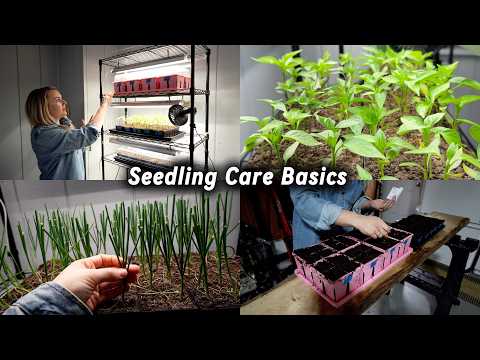
TL;DR: Boost early garden success by optimizing conditions for pepper and onion seedlings indoors before transplanting.
- Provide consistent warmth and light for pepper seedlings.
- Use heat mats and grow lights for optimal pepper growth.
- Water pepper seedlings consistently, avoid waterlogging.
- Fertilize pepper seedlings after true leaves emerge.
- Start onion seedlings early; they tolerate cooler temps.
- Ensure adequate light to prevent leggy onion growth.
Why it matters: Proper care of young seedlings indoors translates directly to healthier, more robust plants and a more bountiful harvest once transplanted outdoors.
Do this next: Set up heat mats and grow lights for your pepper seedlings to ensure consistent warmth and adequate light from the start.
Recommended for: Home gardeners looking to improve their seed-starting success for peppers and onions and maximize their growing season.
This March gardening guide focuses on early-season tasks, particularly the care of pepper and onion seedlings, alongside general seed starting advice. The emphasis is on providing optimal conditions for young plants to thrive before they are ready for outdoor transplanting.
For pepper seedlings, the article highlights the importance of consistent warmth and adequate light. Peppers are heat-loving plants, and maintaining a stable temperature, ideally above 70°F (21°C), is crucial for their germination and early growth. Using a heat mat is highly recommended for this purpose, as it ensures the soil temperature remains consistently warm, which can significantly improve germination rates and speed up the growth process. Once germinated, the seedlings still require warmth, but the focus shifts to providing sufficient light to prevent them from becoming leggy. Grow lights are essential, especially in regions with shorter daylight hours or during cloudy periods. The lights should be positioned close to the seedlings, typically a few inches above the plant tops, and adjusted as the plants grow. This proximity ensures the plants receive enough intensity to develop strong stems and leaves. Watering practices are also critical; the soil should be kept consistently moist but not waterlogged. Overwatering can lead to damping-off disease, a common fungal issue that can quickly kill young seedlings. Conversely, allowing the soil to dry out completely can stress the plants. Fertilization should begin once the seedlings have developed their first true leaves, using a diluted liquid fertilizer specifically formulated for seedlings.
Onion seedlings, while also started indoors, have slightly different requirements. They are more tolerant of cooler temperatures than peppers but still benefit from consistent conditions. The article suggests that onions can be started earlier in the season due to their longer growing period. Similar to peppers, adequate light is vital to prevent legginess. Grow lights are again recommended, positioned appropriately to provide sufficient intensity. Onion seedlings are known for their thin, grass-like appearance. As they grow, they may benefit from occasional trimming of their tops to encourage stronger root development and prevent them from flopping over. This practice, known as "haircut," helps the plants put more energy into root growth rather than excessive top growth. Watering should be consistent, keeping the soil moist but not soggy. Like peppers, once true leaves appear, a diluted liquid fertilizer can be introduced to provide essential nutrients for healthy development.
Beyond specific care for peppers and onions, the guide offers general advice for seed starting in March. This includes planning for successional planting, where new batches of seeds are started every few weeks to ensure a continuous harvest. It also covers the importance of using sterile seed-starting mix to prevent diseases and provide a clean environment for germination. Proper ventilation is another key factor, as good air circulation helps prevent fungal issues. This can be achieved by using a small fan on a low setting or by periodically opening the covers of seed-starting trays. The article also touches upon the process of hardening off seedlings before transplanting them outdoors. This gradual acclimatization to outdoor conditions, including sunlight, wind, and fluctuating temperatures, is crucial to prevent transplant shock and ensure the plants thrive once moved to the garden. Hardening off typically involves exposing the seedlings to outdoor conditions for increasing periods over a week or two.
In summary, March is a pivotal month for gardeners, focusing on nurturing young plants indoors. The guide emphasizes the distinct needs of pepper and onion seedlings, from temperature and light requirements to watering and fertilization. It also provides broader seed-starting principles, ensuring a strong foundation for a productive growing season.