Regen Ag Weekly: Precision Spray, Land Restore (Jan 19-25, 2026)
TL;DR: Global regenerative agriculture is rapidly expanding with new certifications, regional training, and landscape restoration efforts driving sustainable food systems and economic benefits.
- New certifications drive regenerative coffee and sustainable palm oil.
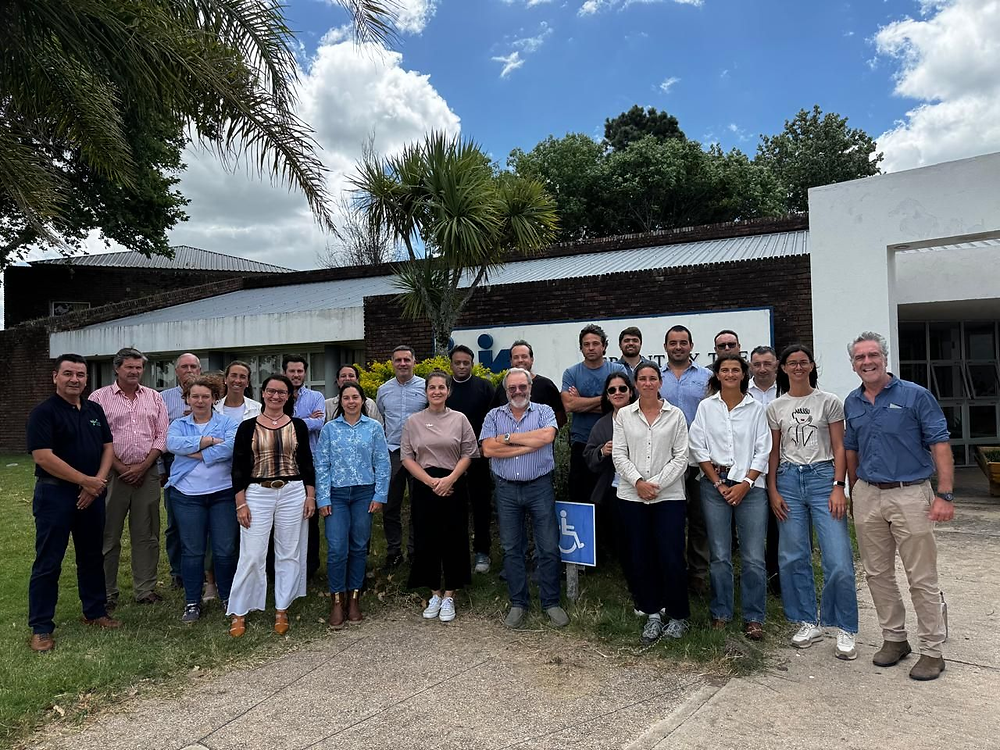
- Training programs in Uruguay teach no-till rice farming.
- Spain is restoring over 10,000 hectares with agroforestry.
- Indonesia focuses on deforestation-free palm oil supply chains.
- Tech and policy changes are accelerating adoption globally.
Why it matters: Regenerative agriculture offers practical solutions to soil degradation, enhances biodiversity, and improves farmer livelihoods, impacting global food security and environmental health.
Do this next: Explore local workshops or online resources on regenerative practices applicable to your region and crop type.
Recommended for: Farmers, policymakers, consumers, and agricultural professionals interested in the latest developments and global impact of regenerative agriculture.
This weekly roundup highlights regenerative agriculture advancements from January 19-25, 2026, including Rainforest Alliance's new regenerative coffee certification, sustainable rice training in Uruguay, landscape restoration in Spain, and jurisdictional sustainable palm oil in Indonesia. The Rainforest Alliance certification sets standards for regenerative practices in coffee production, emphasizing soil regeneration, biodiversity enhancement, and farmer livelihoods, with initial products hitting markets in 2026. In Uruguay, training programs teach rice farmers no-till methods, cover crops, and integrated pest management to reduce emissions and improve soil health. Spain's landscape restoration projects involve reforestation, agroforestry, and community-led initiatives to combat desertification, restoring over 10,000 hectares. Indonesia's palm oil efforts focus on jurisdictional approaches, aligning producers, governments, and NGOs for deforestation-free supply chains and peatland rehabilitation. These examples demonstrate regenerative agriculture's global scale, addressing soil degradation affecting one-third of planetary soils. Practices like holistic grazing, biochar application, and microbial inoculants yield benefits such as increased organic matter, water retention, and carbon sequestration, per IPCC data. Farmers report lower agrochemical dependence and higher incomes from differentiated markets. Corporate adoption by companies like Nestlé, Danone, and General Mills supports suppliers through incentives. Tech integrations like AI sensors for soil analysis and predictive modeling optimize rotations and nutrients. Events like Sustainable Foods 2026 and MSU's February series echo these themes. Trends from Expo AgriTech include nanotech for soil health and carbon markets takeoff. Palm sectors contribute via conservation and renewable energy from waste. Rainforest Alliance's seal validates value chains, while coalitions like CA4SH push policy agendas post-COP28. These actions build ecosystem resilience, food security, and economic viability, marking regenerative agriculture's shift from promise to proof in 2026.