Brad Lancaster's 10 Cistern Principles for Dryland Permaculture
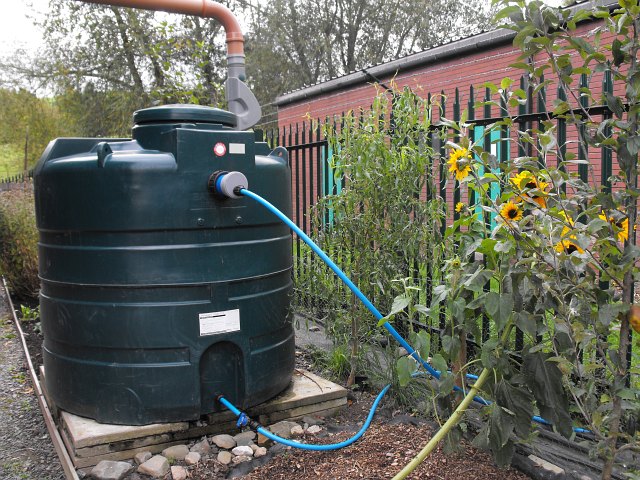
TL;DR: Design efficient rainwater harvesting systems using 10 permaculture principles for water security, integrating tanks and cisterns into drought-resilient landscapes.
- Balance inflow and outflow for optimal water management.
- Implement robust screening for all system openings.
- Use 45-degree downspout bends to prevent light and pests.
- Install first-flush diverters for water quality.
- Integrate cisterns multi-functionally into landscape design.
Why it matters: Effective rainwater harvesting enhances water availability, reduces runoff, and promotes drought resilience in permaculture systems.
Do this next: Assess your site for optimal placement of a new rainwater cistern, considering sun exposure and landscape integration.
Recommended for: Permaculture practitioners, homeowners, and land stewards seeking to implement efficient and resilient rainwater harvesting systems.
Drawing from Brad Lancaster's 'Rainwater Harvesting for Drylands and Beyond,' this guide outlines 10 practical principles for designing effective cistern systems in permaculture, emphasizing high-quality water collection, storage, and use. Key implementations include ensuring inflow matches maximum rainfall intensity with appropriately sized gutters, downspouts, and pipes. Outflow pipes must equal inflow diameter, directing overflow to secondary tanks or mulched infiltration basins screened to prevent clogs—drain above mulch, not vegetation roots. Systems should be closed and self-filtering: screen all openings, use 45-degree bends in downspouts to block light and pests. First flush diverters must be drained post-storm. Placement maximizes multifunctionality—cisterns as privacy screens, walls, or porch supports. Maintenance involves pre-rainy season gutter cleaning, sediment checks, and leak inspections. Santa Cruz County permit checklists add regulatory details. These principles enable drought-resilient setups by prioritizing inflow/outflow balance, contamination prevention, and resource integration. For regenerative contexts, overflow to vegetated basins builds soil moisture; closed designs ensure potable potential. Concrete pad integration hides cisterns aesthetically. Practitioners gain concrete steps for sizing, screening, and siting, avoiding common failures like undersized overflows or light-exposed algae growth. This expert-driven framework supports scalable rainwater systems in arid permaculture designs.[302 words]