Is Urban Agriculture the Key to Solving Food Insecurity?
PermaNews Brief
Key Takeaways
Urban agriculture could serve as a model for addressing food insecurity through cooperative pricing and community integration.
- Urban farms can combat food insecurity effectively.
- Affordability model relies on cross-subsidy pricing.
- Agroecological methods enhance environmental benefits.
- Projects often support local food bank networks.
- Council partnership facilitates land access for growers.
Why It Matters
Understanding operational details can help replicate successful urban growing models.
What to Do Next
Research local initiatives that use cross-subsidy pricing.
Permaculture Context
What the Lush Greens model demonstrates for permaculture practitioners is that the hardest design problem in urban food systems is rarely horticultural — it is economic and relational. The pay-what-you-can structure is essentially a designed feedback loop that redistributes surplus purchasing power to maintain access, which is precisely the kind of yields-beyond-food thinking that permaculture ethics demand. The no-till commitment is not incidental; it signals that the project is treating soil as infrastructure rather than input, which is the foundational shift that separates regenerative growing from conventional production at any scale. For anyone planning a community food project, the more important lesson here is the institutional architecture: council land, food bank partnerships, and a sliding-scale pricing model together create multiple redundancies that protect the project when any single element comes under pressure. If you are building toward food resilience — whether at household, neighbourhood, or city scale — this model suggests that locking in diverse, formalised relationships with local institutions early is as critical as getting your growing systems right. Soil health and social infrastructure are not separate design tracks; they are the same track.
Recommended for: Community organizers and urban agriculture practitioners seeking implementable strategies.
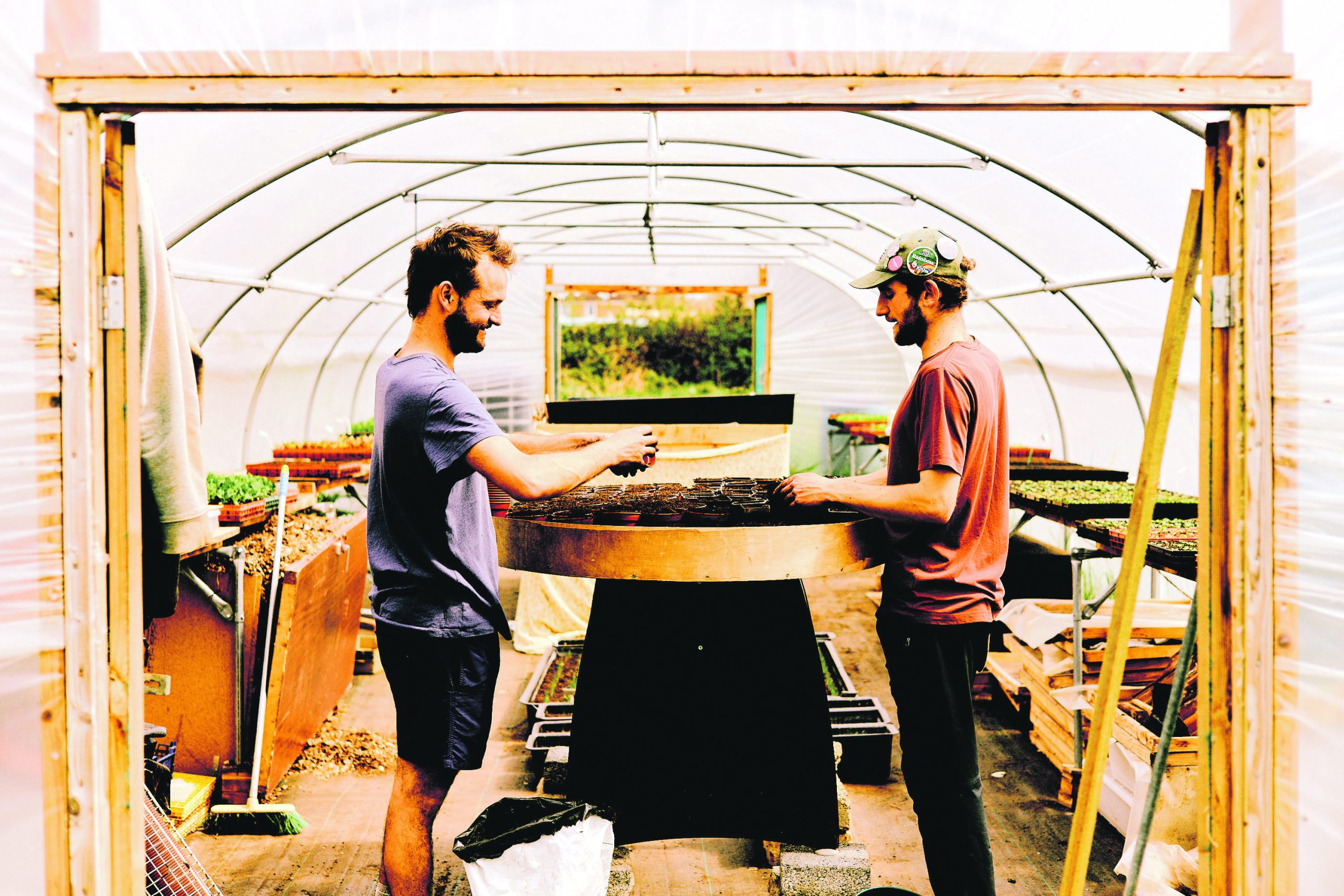
This Bristol Cable article examines whether urban growing can become a scalable response to food insecurity, using Lush Greens as a concrete example. It is useful because it includes the sort of operational detail practitioners need when assessing whether a community food project can survive financially and deliver social impact. The article explains that the project rents land from the council, which is an important governance detail because land access is often one of the biggest barriers to urban agriculture. It also gives a clear description of the pay-what-you-can pricing structure: guideline prices range from £6.50 for lower-income participants to £9.75 for middle-income participants, which covers production costs, and £19.50 for higher-income participants. This shows a cross-subsidy model in action, where households with more ability to pay help support access for households with less.
The article also notes that the project supplies four food banks serving hundreds of people across the city, strengthening the evidence that the garden is embedded in Bristol’s wider food-support network. It describes the growing methods as agroecological and explains that the soil is never ploughed, a practice intended to improve carbon and water retention. This adds environmental and technical specificity to the social model. The article is particularly useful for understanding how urban farming can combine affordability, climate-conscious production, and institutional partnership. For readers interested in implementation, it provides a real example of council land use, cost-recovery pricing, and distribution to food banks, all within a functioning city project.
Source: thebristolcable.org
Related Analysis
- Worm Composting: 6 Ways to Build a Bin, Real 2026 Costs, and Where the Research Actually Disagrees — Vermicomposting turns kitchen scraps into worm castings using a container, bedding, and red wigglers (Eisenia fetida) — …
- Is It Cheaper to Raise Backyard Chickens for Eggs? The Real Per-Dozen Math — Does raising backyard chickens actually save money on eggs? In the US as of 2026, the honest answer is: usually not in y…
Explore more in Food Systems & Growing — the full hub for this knowledge area.