Succession Planting: Instantly Boost Garden Yields
By Huw Richards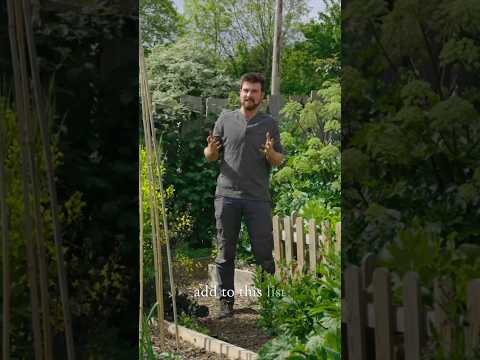
PermaNews Brief
Key Takeaways
Implement succession planting to keep your garden producing continuously and maximize harvests throughout the growing season.
- Plant crops in sequence to prevent bare soil.
- Stagger plantings for a steady supply of produce.
- Follow one crop with another in the same space.
- Combine fast and slow-growing plants together.
- Maximize productivity from your garden beds.
Why It Matters
Succession planting directly boosts the amount of food your garden produces while making the most of available space and time.
What to Do Next
Start a small, staggered planting of a fast-growing crop like lettuce or radishes this week.
Recommended for: Gardeners looking to maximize their harvest and improve garden productivity through smart planning.
A key strategy for significantly increasing garden productivity involves a technique known as succession planting. This method focuses on maximizing the use of garden space and time by planting crops in a continuous sequence rather than all at once. The core idea is to ensure that as one crop finishes its production cycle, another is ready to take its place, or is already growing alongside it, thereby preventing bare soil and maintaining a steady harvest.
There are several approaches to implementing succession planting. One common method is planting crops at staggered intervals. Instead of sowing an entire bed of lettuce seeds at the beginning of the season, a gardener might plant a small row every two to three weeks. This ensures a continuous supply of fresh lettuce throughout the growing season, avoiding a glut followed by a scarcity. This staggered planting works particularly well for fast-growing vegetables like radishes, spinach, and bush beans.
Another technique involves planting different crops in the same space sequentially. For example, after a spring crop of peas has finished producing and the plants are removed, the same bed can be immediately prepared and planted with a warm-season crop like bush beans or cucumbers. In cooler climates, a bed that held early potatoes might be followed by a fall crop of kale or broccoli. This maximizes the output from each garden bed over the entire growing period.
Intercropping is a related strategy that involves planting different crops together in the same bed simultaneously, often with varying maturity rates. A classic example is planting fast-growing radishes alongside slower-growing carrots. By the time the carrots need more space to develop their roots, the radishes have already been harvested. This makes efficient use of space and can also offer benefits like pest deterrence or soil improvement depending on the plant combinations.
The benefits of succession planting extend beyond just increased yields. It also contributes to better soil health by keeping the ground covered with living plants, which helps suppress weeds, retain soil moisture, and prevent erosion. The continuous presence of roots and plant matter also supports a healthy soil microbiome. Furthermore, by diversifying the crops grown in a single season, gardeners can reduce the risk of total crop failure due to pests or diseases, as different plants have different vulnerabilities.
Careful planning is essential for successful succession planting. Gardeners need to consider the maturity dates of different varieties, the specific climate and growing season length, and the nutrient requirements of the crops being rotated. Keeping detailed records of planting and harvesting times can help refine the strategy over successive seasons. Understanding which crops are heavy feeders versus light feeders is also important for maintaining soil fertility.
Ultimately, succession planting is a dynamic and adaptable approach to gardening that transforms a static garden plot into a continuously productive ecosystem. By strategically timing plantings and utilizing space efficiently, gardeners can significantly enhance their harvest throughout the entire growing season, making the most of their efforts and resources.
Source: youtube.com
Related Analysis
- Composting Advice Shifts From Chemistry to Microbial Biology — Several sources suggest composting guidance is pivoting from nutrient ratios toward microbial ecology—reframing what "go…
- Does Growing Your Own Food Actually Save Money? The Real Numbers — Most home gardens save money by year two — but only if the right crops are planted. Herbs and salad greens deliver 5–10x…
Related on PermaNews
- How to Succession Sow Green Beans in Zone 4 for a Continuous Harvest (Video)
- Fedge: Endless Spinach from Edible Hibiscus Hedge (Video)
- Succession Planting: What Comes After This Crop? (Video)
- Track Your Plants: Essential Planting Dates for Gardeners (Video)
- Boost Onion Planting Speed + Succession Crop Plans (Video)
- Ep. 369: Onion Planting Hacks & Succession Crop Planning (Podcast)
Explore more in Food Systems & Growing — the full hub for this knowledge area.