Phased Permaculture Site Design: Your Step-by-Step Guide
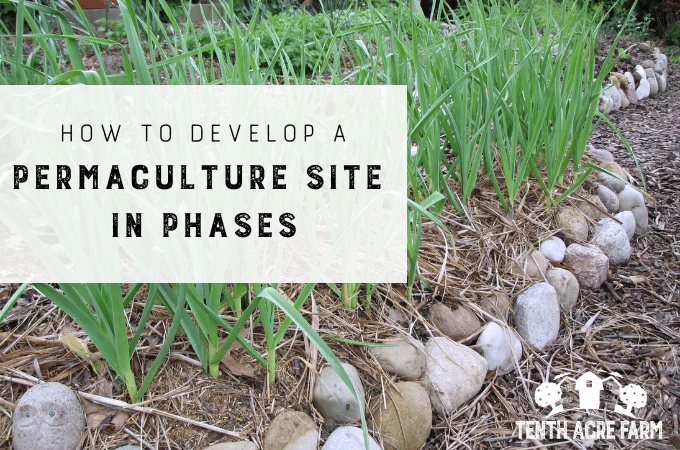
TL;DR: Ambitious permaculture projects thrive on phased development, breaking down large visions into manageable stages for sustainable, realistic progress.
- Master plans prevent overwhelm, ensuring systematic site development.
- Prioritize water access before planting or major installations.
- List challenges and sequence solutions logically for efficiency.
- Start small, iterate designs, and integrate multi-use site functions.
- Phased development harmonizes with natural forces to save resources.
Why it matters: Developing a permaculture site can feel overwhelming. A phased approach ensures that big dreams are broken down into achievable steps, preventing burnout and making the process far more sustainable and efficient.
Do this next: Sketch a master plan for your site, even if it is just a rough outline, noting major elements you envision.
Recommended for: Anyone looking to develop a permaculture site comprehensively, from a small suburban yard to a larger homestead, without becoming overwhelmed by the scope.
This guide provides a structured method to develop a permaculture homestead by breaking grand visions into manageable phases from a master plan, ensuring realistic progress without overwhelm. Begin with a master plan envisioning elements like food forests, meadows, walking trails with edible foraging, vegetable gardens (raised beds and contour designs), and outbuildings such as sheds, livestock compounds, composting centers, and greenhouses. Create a 'BIG LIST' of major considerations per dream, distinguishing from minor tasks—e.g., for a vegetable garden: water (bury downspouts, add spigots), storage, bed design/layout, importing organic matter for raised beds, and fencing against pests like deer and raccoons. Prioritize an order of operations based on necessities like water access before planting specifics. Phases build sequentially: secure water sources, develop storage and access, design permanent features, import materials, and protect installations. Examples include directing roof runoff to gardens, planning bed layouts, and sourcing organic matter. The process involves exercises like listing challenges, then sequencing them logically. Related techniques mentioned: fruit tree guilds, observation worksheets for site design, and currant growing. This phased approach transforms ambitious dreams into achievable steps, harmonizing with site forces to save energy, money, and resources long-term. It emphasizes starting small, iterating designs, and integrating functions like multi-use paths or water-harvesting swales for efficiency[2].