Illinois Farmer Opey Rowell's 4-Year Strip-Till Cover Crop Journey
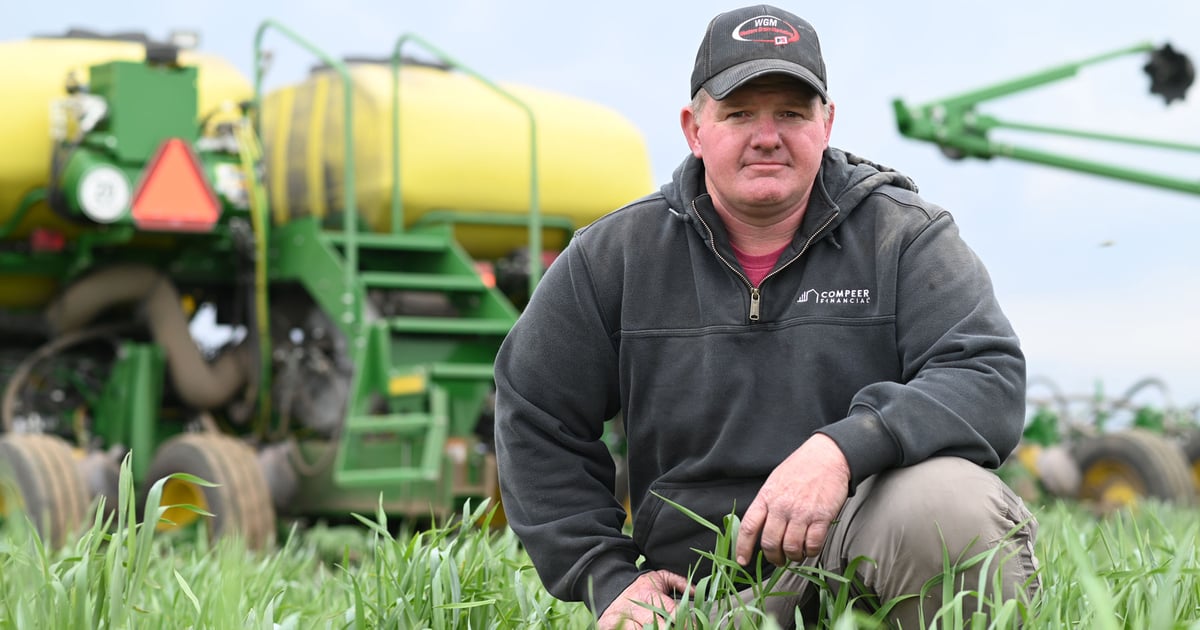
TL;DR: An Illinois farmer successfully integrated cover crops with strip-till over four years, boosting soil health and cutting chemical use.
- Strip-tilling into standing cover crops maintains their benefits and efficiency.
- Cereal rye for soybeans and wheat/ryegrass for corn are effective cover crop choices.
- This system reduces weed pressure and the need for residual herbicides.
- Nutrient retention in the soil is improved through continuous cover.
- The detailed implementation sequence is replicable for other grain farmers.
Why it matters: This case study offers a clear, tested pathway for grain farmers to adopt regenerative practices without major disruption to their operations, leading to environmental and economic benefits.
Do this next: Research local cover crop varieties suitable for your main cash crops and current tillage system.
Recommended for: Grain farmers seeking to adopt regenerative agriculture practices while maintaining operational efficiency and reducing chemical inputs.
This case study documents Opey Rowell's four-year transition to integrating cover crops with strip-till operations on his Manito, Illinois farm, demonstrating a specific, replicable implementation sequence for regenerative practice adoption. Rowell's system involves planting wheat and annual ryegrass before corn, and cereal rye before soybeans, then strip-tilling into standing cover crops. The key operational advantage is that strip-till enables farming around the cover crop, preserving all cover crop benefits while maintaining operational efficiency. Rowell strip-tills soybeans into standing cereal rye and strip-tills corn into standing wheat, demonstrating flexibility in crop sequencing. The cover crops provide multiple documented benefits: they help control weeds longer, reducing the need for residual chemical applications, and they help retain nutrients in the soil. The implementation sequence is specific and replicable: beginning in late October, Rowell broadcasts cereal rye into stalk fields and buries it with a vertical tillage tool. When the cover crop reaches 2-to-3 inches tall, he returns with a Schlagel Rapid Till strip-till bar to create planting strips. In spring, he plants soybeans in the strips and terminates the cereal rye with his preemergence sprayer pass. This documented four-year transition demonstrates how strip-till and cover crop integration reduces chemical input requirements while maintaining crop productivity, providing a field-tested model for grain farmers seeking to transition toward regenerative practices with minimal operational disruption.