Pigeon Nutrition Guide: Urban Bird Feeding Best Practices
PermaNews Brief
Key Takeaways
Nourish urban pigeons with a balanced diet of grains, seeds, fresh produce, and protein sources, while ensuring constant access to clean water.
- Offer high-quality pigeon mix as a dietary base.
- Supplement with millet, safflower, and sunflower seeds.
- Provide small pieces of fresh fruits and vegetables.
- Include cooked eggs or crushed nuts for protein.
- Ensure a constant supply of fresh, clean water.
Why It Matters
Supporting urban wildlife, even common pigeons, contributes to a healthier local ecosystem and promotes biodiversity in developed areas.
What to Do Next
Start a feeding station with a balanced pigeon mix and a shallow water dish in your backyard or community garden.
Recommended for: Anyone looking to humanely support and nurture urban pigeon populations with appropriate nutrition and care.
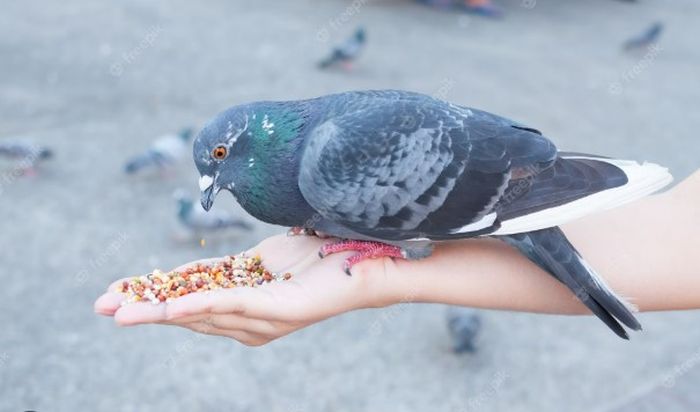
Pigeons, frequently observed in urban environments, have a historical association with human settlements. Despite their common presence, these birds require appropriate sustenance and attention, similar to other wild animals. For those interested in supporting pigeon welfare, understanding their dietary needs is crucial.
A balanced diet for pigeons primarily consists of grains and seeds. A high-quality pigeon mix, readily available at feed stores, typically includes corn, wheat, milo, and peas, offering a good nutritional foundation. However, supplementing this with other beneficial items can further enhance their health. Small seeds like millet, safflower, and sunflower seeds are excellent additions, providing essential fats and proteins. Cracked corn is also a suitable option, particularly for smaller pigeons or squabs, due to its easier digestibility.
Beyond grains and seeds, pigeons benefit from a variety of other food sources. Fresh fruits and vegetables, cut into small, manageable pieces, can offer vitamins and minerals. Examples include berries, apples (without seeds), grapes, carrots, and leafy greens like spinach or kale. It's important to avoid avocado, as it can be toxic to birds.
Protein sources are also vital for pigeon health, especially during breeding or molting seasons. Cooked, unsalted eggs, finely chopped, can provide a good protein boost. Crushed, unsalted nuts, such as peanuts or walnuts, also offer healthy fats and protein. However, these should be given in moderation due to their high-fat content.
Hydration is as important as food. A consistent supply of fresh, clean water is essential for pigeons to drink and bathe. Shallow dishes or bird baths are ideal, and the water should be changed daily to prevent bacterial growth.
Certain foods should be strictly avoided when feeding pigeons. Bread, while often offered, provides little nutritional value and can lead to digestive issues. Similarly, processed foods, sugary snacks, and anything containing salt or artificial ingredients are detrimental to their health. Dairy products are also not suitable for birds.
When choosing a feeding location, consider areas that are safe from predators and away from heavy foot traffic. A raised platform or a designated feeding station can help keep the food clean and accessible. It's also important to practice good hygiene by regularly cleaning feeding areas to prevent the spread of diseases.
Responsible pigeon feeding involves understanding their natural diet and providing appropriate, nutritious options. By offering a varied diet of grains, seeds, fruits, vegetables, and protein sources, along with fresh water, individuals can contribute positively to the well-being of these common urban birds. Avoiding harmful foods and maintaining clean feeding environments are key aspects of this responsible approach.
Source: urbanfarmonline.com
Related Analysis
- Regenerative Farmers Flip Cover Crop Logic From Compliance to Profit — Practitioner accounts and a new meta-analysis suggest cover cropping is being reframed from conservation practice to pro…
- Farmers Convert Six Weeks of Rhubarb Into 25-Year Supply — Initial signals suggest a rhubarb preservation technique can extend a brief seasonal harvest into 25 years of storage—a …
Related on PermaNews
Explore more in Food Systems & Growing — the full hub for this knowledge area.