Garden Reset: From Failure to Fresh Start
By The Permaculture Consultant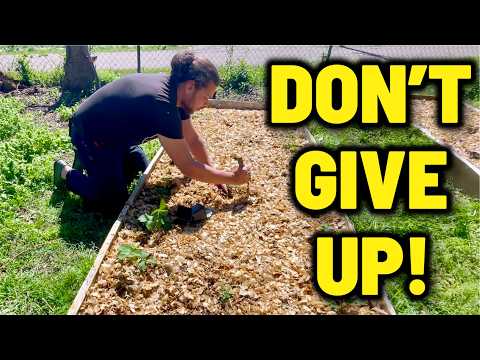
TL;DR: After a challenging season of widespread plant failure, a gardener re-evaluates their permaculture approach to restart with renewed perspective.
- Identify causes of plant failure.
- Prioritize healthy soil as foundation.
- Select climate-appropriate plants.
- Embrace learning and adaptation from setbacks.
- Strategically re-evaluate garden design.
Why it matters: Gardening setbacks offer crucial lessons for building resilient, productive permaculture systems adapted to local conditions.
Do this next: Assess your soil with testing to understand its composition and nutrient profile.
Recommended for: Anyone facing gardening setbacks who wants to learn from failure and build a more resilient permaculture system.
The author recounts a challenging gardening season where a significant portion of their cultivated plants failed to thrive, leading to a decision to completely re-evaluate and restart their gardening efforts. This experience, while disheartening, has provided valuable lessons and a renewed perspective on their permaculture journey.
The initial planting season was marked by a series of setbacks. Despite careful planning and preparation, many plants either struggled to establish themselves, succumbed to pests or diseases, or simply failed to produce as expected. This widespread failure was not attributed to a single cause but rather a combination of factors, including unusual weather patterns, soil imbalances, and perhaps even an overestimation of the garden's capacity or the gardener's time availability. The author reflects on the emotional toll of witnessing their hard work yield such limited results, acknowledging the frustration and disappointment that can accompany gardening failures.
However, instead of abandoning the endeavor, the author chose to embrace the opportunity for learning and adaptation, a core principle of permaculture. The decision to "start over" is not a complete abandonment of the existing garden space but rather a strategic re-evaluation of its design, plant choices, and cultivation methods. This involves a thorough assessment of the soil, including testing for nutrient deficiencies or excesses, and considering amendments to improve its structure and fertility. The author recognizes that healthy soil is the foundation of a resilient garden and that previous efforts might have overlooked critical aspects of soil health.
Furthermore, the restart involves a critical review of plant selections. The author plans to prioritize plants that are better suited to the local climate and specific microclimates within the garden. This includes focusing on more resilient, drought-tolerant, or pest-resistant varieties, and perhaps incorporating more native species that are naturally adapted to the region. The previous season's failures have highlighted the importance of observing and understanding the unique conditions of their site rather than relying solely on general gardening advice.
The author also intends to refine their gardening techniques. This might involve implementing more effective water management strategies, such as drip irrigation or mulching, to conserve moisture and reduce stress on plants. They are also considering different planting schemes, such as companion planting or succession planting, to enhance biodiversity and maximize productivity. The experience has underscored the need for a more integrated and holistic approach to garden management, where all elements work together to create a thriving ecosystem.
Beyond the practical aspects, the author emphasizes the mental and emotional shift required for this restart. It involves letting go of past expectations and embracing a more flexible and experimental mindset. The failures of the previous season are now viewed not as defeats but as valuable data points that inform future decisions. This resilience and willingness to adapt are central to the permaculture philosophy, which encourages continuous observation, interaction, and adjustment.
In essence, the author's experience serves as a powerful reminder that gardening, especially within a permaculture framework, is an ongoing process of learning and evolution. Even experienced gardeners encounter setbacks, and the ability to learn from these challenges and adapt one's approach is crucial for long-term success. The decision to restart is not a sign of failure but a testament to a commitment to continuous improvement and a deeper understanding of ecological principles. The author looks forward to the new season with renewed optimism, armed with the lessons learned from a challenging but ultimately transformative experience.