Crotalaria Grahamiana: Nitrogen Fixer, Pest Predator, Butterfly Host
By Discover Permaculture with Geoff Lawton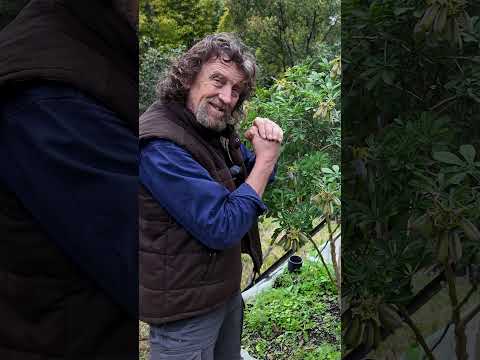
TL;DR: Crotalaria grahamiana, also known as sunn hemp, offers multiple benefits for soil health and biodiversity in agricultural systems.
- Crotalaria grahamiana fixes nitrogen, enriching soil naturally.
- It supports biodiversity by hosting butterflies and beneficial insects.
- This plant effectively predates harmful nematodes.
- Incorporating it reduces reliance on synthetic fertilizers.
- It enhances overall ecosystem resilience and health.
Why it matters: This plant provides a sustainable pathway to improve soil fertility and control pests, reducing environmental impact and promoting healthier ecosystems.
Do this next: Consider integrating Crotalaria grahamiana into your crop rotations or as a cover crop.
Recommended for: Farmers and gardeners interested in sustainable practices, soil health, and natural pest control.
*Crotalaria grahamiana*, a plant with diverse benefits, is gaining recognition in permaculture and regenerative agriculture for its multifaceted contributions to soil health and biodiversity. This legume, often referred to as sunn hemp, offers a compelling suite of advantages, making it a valuable addition to various agricultural systems.
One of its primary benefits lies in its exceptional nitrogen-fixing capabilities. Like other legumes, *Crotalaria grahamiana* forms a symbiotic relationship with nitrogen-fixing bacteria in its root nodules. These bacteria convert atmospheric nitrogen into a usable form for the plant, enriching the soil with this essential nutrient. This natural fertilization reduces the need for synthetic nitrogen fertilizers, which can be costly and have negative environmental impacts, such as runoff and greenhouse gas emissions. By incorporating *Crotalaria grahamiana* into crop rotations or as a cover crop, farmers can improve soil fertility, enhance plant growth, and contribute to more sustainable agricultural practices.
Beyond nitrogen fixation, *Crotalaria grahamiana* plays a crucial role in supporting biodiversity, particularly as a host plant for various butterfly species. Its foliage provides a food source for caterpillars, and its flowers offer nectar for adult butterflies, contributing to the overall health of local insect populations. This aspect is particularly important in permaculture, which emphasizes creating resilient ecosystems that mimic natural patterns. By attracting beneficial insects, *Crotalaria grahamiana* can also help with pollination of other crops and provide a food source for insectivorous birds, further enhancing ecological balance.
Perhaps one of the most remarkable attributes of *Crotalaria grahamiana* is its ability to act as a natural predator of nematodes. Nematodes are microscopic roundworms, many of which are plant parasites that can cause significant damage to crops, leading to reduced yields and economic losses. *Crotalaria grahamiana* releases compounds from its roots that are toxic or repellent to various species of plant-parasitic nematodes. When used as a cover crop or incorporated into a crop rotation, it can effectively suppress nematode populations in the soil, providing a biological control alternative to chemical nematicides. This natural pest management strategy is highly valued in organic and regenerative farming, where the focus is on minimizing chemical inputs and promoting ecological processes.
Furthermore, *Crotalaria grahamiana* contributes to soil structure improvement. Its extensive root system helps to break up compacted soil, increase aeration, and enhance water infiltration. This leads to better drainage and reduced soil erosion, particularly in areas prone to heavy rainfall or wind. The biomass produced by *Crotalaria grahamiana*, when incorporated into the soil as green manure, adds organic matter, which further improves soil aggregation, water retention, and nutrient cycling. This contributes to the long-term health and productivity of the soil.
In summary, *Crotalaria grahamiana* is a versatile and beneficial plant with significant applications in sustainable agriculture. Its ability to fix nitrogen, host butterflies, and suppress nematodes, combined with its positive impact on soil structure and organic matter content, makes it a valuable tool for farmers and land managers seeking to create more resilient, productive, and environmentally friendly agricultural systems. Its integration into farming practices can lead to reduced reliance on synthetic inputs, enhanced biodiversity, and improved soil health, aligning with the core principles of permaculture and regenerative agriculture.