Permaculture vs. Organic: Beyond the Basics
By Permaculture Visions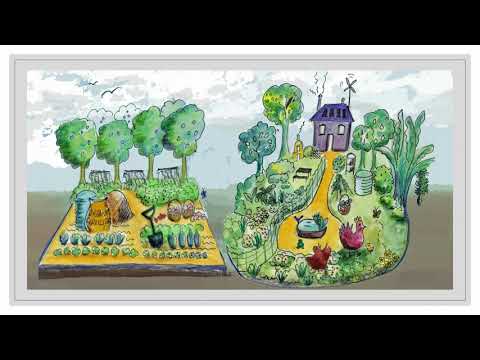
TL;DR: Permaculture offers a holistic, low-input design approach that integrates diverse elements for sustainable living, contrasting with organic gardening's focus on food production and higher management.
- Permaculture integrates garden, home, and surroundings for functional cycles.
- Organic focuses on food output; permaculture on interconnected systems.
- Permaculture closes nutrient and water loops, minimizes external inputs.
- Multifunctional elements boost overall yields per area.
- Permaculture designs reduce labor and enhance biodiversity.
Why it matters: Understanding the distinctions between organic and permaculture practices can significantly influence the design and longevity of sustainable food and living systems, promoting greater self-sufficiency and ecological resilience.
Do this next: Consider how to integrate waste streams and diversify plant choices in your current garden or land design for enhanced ecological function.
Recommended for: Anyone interested in designing resilient, low-input living systems beyond conventional organic gardening practices.
This YouTube video explains how permaculture extends organic gardening into a more integrated, lifestyle-oriented system that minimizes environmental impact through closed loops and natural imitation. While organic production incorporates innovative elements like natural pest control and diverse produce, it remains focused on food output with higher management needs, such as monitoring visible rows for pests and synchronizing crop ripening for processing like passata. Permaculture designs surpass this by linking garden, home, and surroundings into functional relationships, emphasizing nutrient and water cycle closure using waste, reducing external inputs, and creating healthier soil with intensive space use. Plants interplant for pest control, set seeds naturally, and form food-forest-like layouts with perennials, herbs, and open glades, avoiding row planting. Chickens and other elements provide multiple yields: food, fuel for heating or ovens, and microclimate improvements for homes. Organic sites yield fewer products concentrated on food, ripening all at once, requiring close oversight, whereas permaculture offers varied, ongoing harvests, self-replicating adaptability to climate change, and acceptance of imperfections for resilience. The video stresses permaculture's responsibility for waste elimination, conserving soil, water, and genetic capital, keeping residents engaged with variety. It portrays permaculture demonstration sites as models of diversity and efficiency, contrasting organic's high-maintenance production with permaculture's low-input, high-output design that integrates everything for sustainability. Key insights include permaculture's focus on functional relationships over mere organic practices, leading to higher overall yields per area through multifunctional elements. The discussion highlights how permaculture's design reduces labor, enhances biodiversity, and creates systems that evolve naturally, making it superior for long-term ecological harmony. Examples illustrate organic's visibility aiding management but limiting scope, while permaculture's complexity builds robustness. Overall, the content positions permaculture as an evolution, joining organic methods into a cohesive, impactful lifestyle.