Ventura County's Rodale Institute: Organic Hub for CA Growers
PermaNews Brief
Key Takeaways
The Rodale Institute California Organic Center offers practical research, education, and hands-on support for regenerative organic agriculture, focusing on climate resilience and profitability for farmers.
- Learn regenerative organic methods for climate challenges.
- Access research on soil health and biodiversity.
- Attend farm tours for direct learning.
- Implement practices for resilient crop production.
- Find scalable solutions for economic viability.
Why It Matters
Regenerative organic practices are crucial for addressing climate change, water scarcity, and supporting sustainable food systems.
What to Do Next
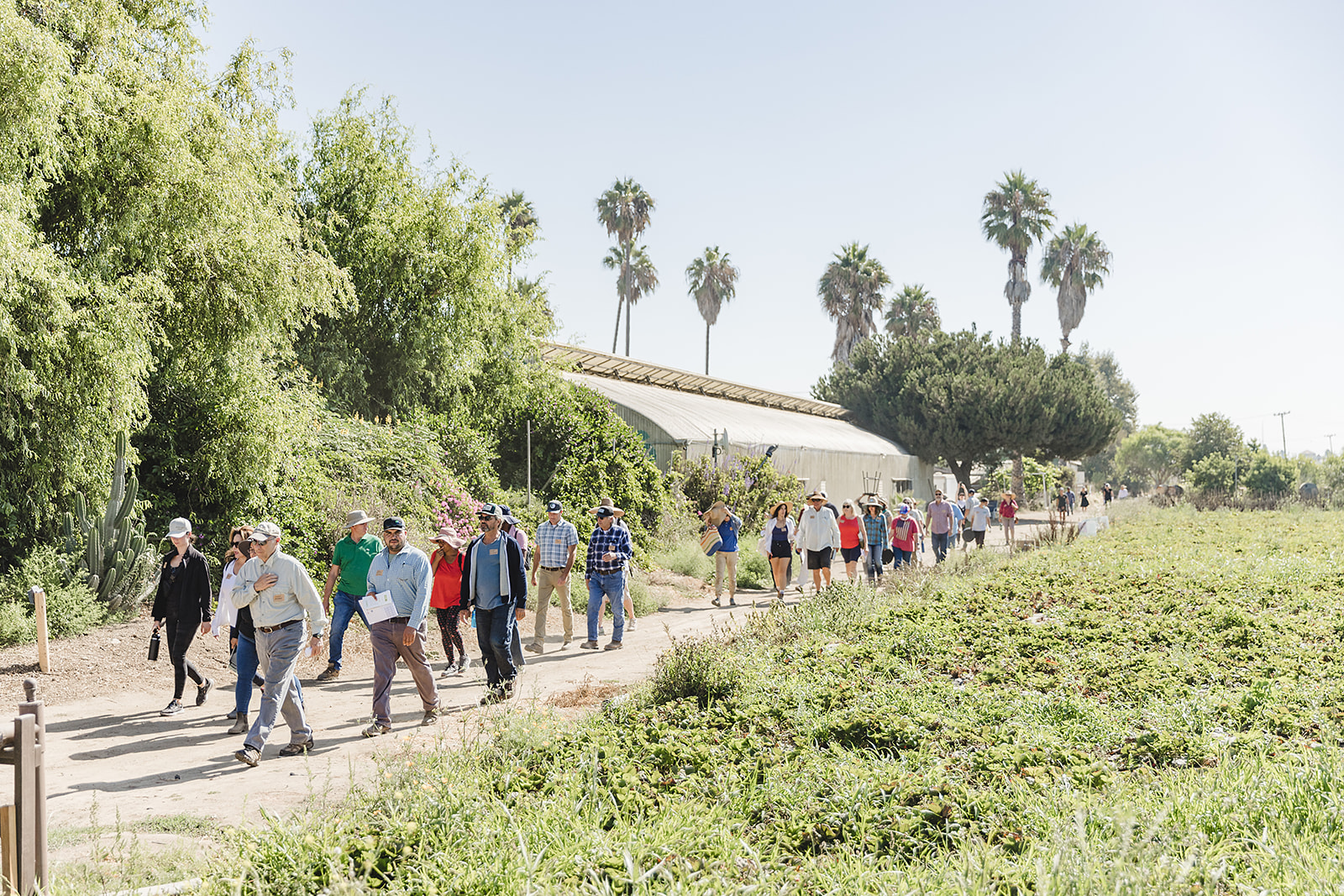
Visit the Rodale Institute California Organic Center for a farm tour to observe regenerative practices firsthand.
Recommended for: Farmers, agricultural researchers, and extension service providers interested in practical, scalable regenerative organic solutions for challenging climates.
The Rodale Institute California Organic Center in Ventura County serves as a hub for regenerative organic agriculture, supporting growers facing climate change, water shortages, rising land prices, and population demands. It conducts regionally significant research, education, and extension services to make regenerative methods sustainable and profitable, rejecting mono-cropped, low-biodiversity models prevalent in the area. Practical offerings include farm tours on the second Friday of every month from 2-4 PM year-round, allowing visitors to learn about unique regenerative organic research projects directly on-site. The Center solves specific challenges through hands-on technical assistance, field-tested strategies for soil regeneration, cover cropping, biodiversity enhancement, and integrated pest management. It integrates organic methods with permaculture principles for self-sufficient systems, providing resources like training on irrigation efficiency and resilient crop production for avocados, citrus, and strawberries. As part of broader initiatives like Regenerate Ventura, it has facilitated transitions across thousands of acres. Actionable details for practitioners include research-backed protocols for soil health in orchards, demo-based learning from tours, and scalable solutions for economic viability. The Center positions itself as a comprehensive resource, offering concrete tools such as event schedules, research summaries, and extension programs to help farmers implement regenerative practices profitably, with emphasis on measurable outcomes like improved resilience and reduced inputs.
Source: rodaleinstitute.org
Related Analysis
- High-Salt Fertilizers Block Soil Microbes, Kempf Says — High-salt fertilizers disrupt soil microbes and microbial colonization, trapping farmers in chemical dependency. Biologi…
- Fertilizer Shortage Forces Reckoning on Nitrogen Sources — Fertilizer supply crisis drives farms toward nitrogen-fixing cover crops, compost, and legume rotations as alternatives.
Related on PermaNews
- Ernst Götsch's Cacao Syntropy: Master Agroforestry Now (How-To Guide)
- Designing Regenerative Resilience: Participatory Living Labs (How-To Guide)
- Lo—TEK: Indigenous Tech for Climate Solutions (Article)
- Nakivale's Regenerative Toilets: Refugee Resilience, Circular Sanitation (Case Study)
- Pippin Home Designs: Regenerative Home Design Explained (How-To Guide)
- Federal Policy Shift: Native Regenerative Ag for Soil & Carbon (Article)
Explore more in Food Systems & Growing — the full hub for this knowledge area.