Grow Broccoli & Spinach: Autumn/Winter Harvest Success
By organicadmin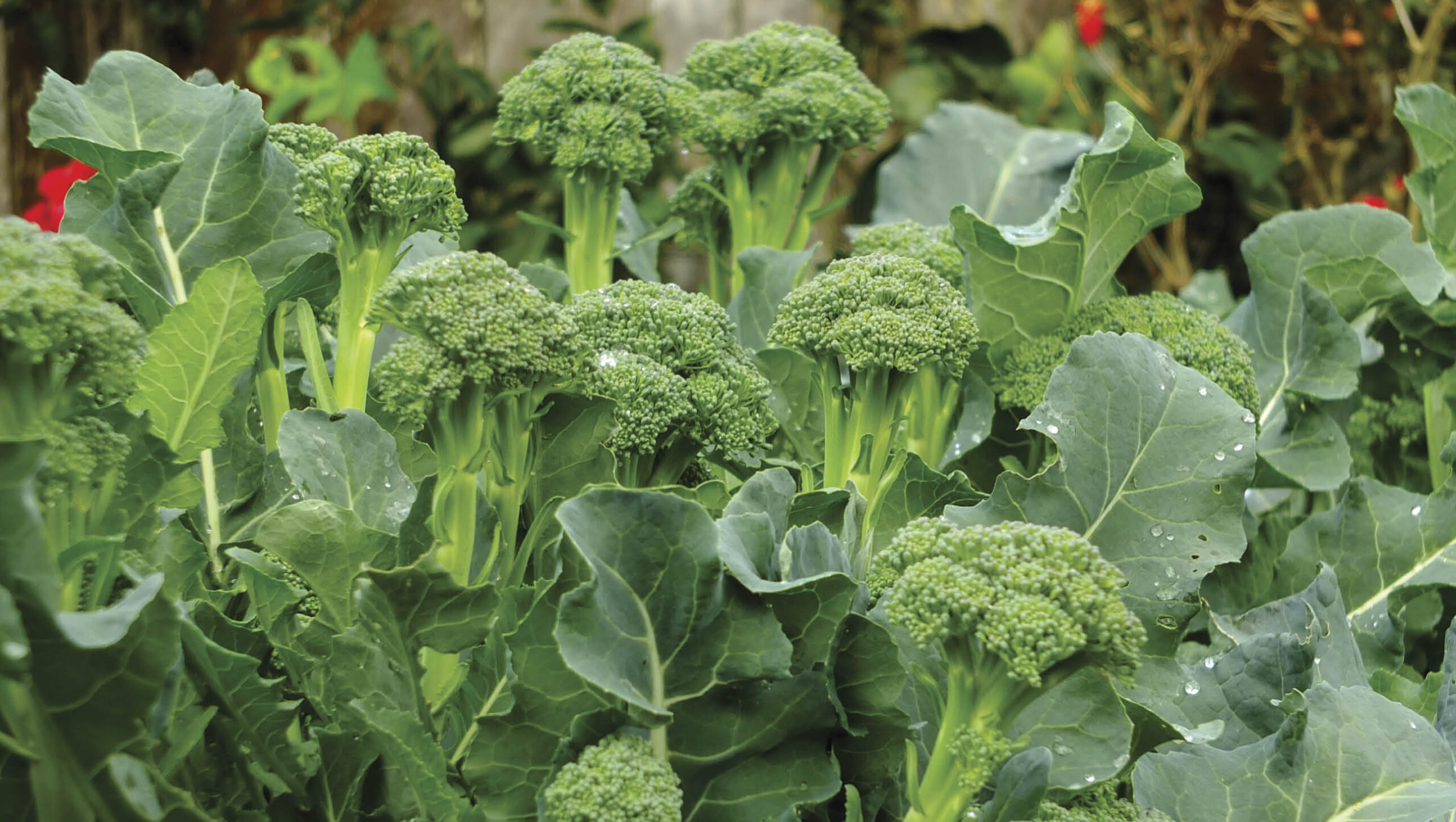
TL;DR: Boost your autumn and winter harvest by understanding the specific needs of cool-season vegetables like broccoli and English spinach, from seed to plate.
- Choose quality seeds from trusted suppliers for healthy plants.
- Start seeds indoors for protection and controlled growth.
- Harden off seedlings gradually before transplanting outdoors.
- Select sunny sites with well-draining, nutrient-rich soil.
- Amend soil with organic matter for better structure and fertility.
Why it matters: Proper planning and execution for cool-season crops ensure a steady supply of nutritious vegetables, enhancing food security and promoting sustainable gardening practices.
Do this next: Begin selecting high-quality seeds for your desired cool-season vegetables and prepare your indoor seed-starting setup.
Recommended for: Home gardeners looking to extend their growing season and achieve successful cool-season vegetable harvests with practical, actionable advice.
Cultivating a successful autumn and winter harvest of nutritious vegetables like broccoli and English spinach is achievable with proper planning and execution. The key to bountiful yields lies in understanding the specific requirements of these cool-season crops, from initial seed starting to ongoing plant care and pest management.
For both broccoli and English spinach, the journey begins with seed selection and propagation. Choosing high-quality seeds from reputable suppliers is crucial for ensuring strong, healthy plants. Starting seeds indoors offers several advantages, particularly in regions with unpredictable autumn weather. This allows for controlled conditions, protecting delicate seedlings from harsh winds, heavy rains, or early frosts. Seed trays or small pots filled with a sterile seed-starting mix provide an ideal environment for germination. Once seedlings have developed a few true leaves and are robust enough, they can be gradually acclimatized to outdoor conditions through a process known as hardening off. This involves progressively exposing them to increasing periods of outdoor light and temperature fluctuations over several days before transplanting them into their final garden beds.
Site selection and soil preparation are paramount for the success of these vegetables. Both broccoli and English spinach thrive in full sun, meaning they require at least six to eight hours of direct sunlight daily. The soil should be well-draining, rich in organic matter, and have a slightly acidic to neutral pH (typically between 6.0 and 7.0). Amending the soil with compost, well-rotted manure, or other organic materials before planting significantly improves soil structure, fertility, and water retention, providing essential nutrients for vigorous growth. Raised garden beds can be particularly beneficial, offering better drainage and warmer soil temperatures, which can extend the growing season.
When transplanting, it's important to space plants appropriately to allow for adequate air circulation and root development. Overcrowding can lead to competition for resources and increased susceptibility to diseases. For broccoli, a spacing of 18-24 inches between plants is generally recommended, while English spinach can be planted closer, typically 6-12 inches apart. After transplanting, a thorough watering helps settle the soil around the roots.
Ongoing care involves consistent watering, especially during dry periods, as both crops prefer consistently moist soil. However, it's crucial to avoid waterlogging, which can lead to root rot. Mulching around the base of the plants with straw, wood chips, or other organic materials helps conserve soil moisture, suppress weeds, and regulate soil temperature. Fertilization may be necessary, particularly if soil tests indicate nutrient deficiencies. A balanced organic fertilizer or compost tea can provide the necessary nutrients for healthy growth.
Pest and disease management is an integral part of successful cultivation. Common pests for broccoli include cabbage worms, aphids, and flea beetles. English spinach can also be susceptible to aphids and leaf miners. Implementing organic pest control strategies, such as hand-picking pests, using row covers to deter insects, or applying insecticidal soaps, can help protect crops without resorting to harmful chemicals. Crop rotation is another effective strategy to prevent the build-up of soil-borne diseases.
Harvesting at the right time ensures the best flavor and quality. Broccoli heads should be harvested when they are firm and tight, before the florets begin to loosen or show signs of yellowing. English spinach leaves can be harvested continuously as they mature, starting with the outer leaves, which encourages further production. Regular harvesting promotes a longer yield period.
By meticulously attending to these details – from initial seed preparation and soil enrichment to ongoing care and pest management – gardeners can look forward to a rewarding autumn and winter season filled with fresh, homegrown broccoli and English spinach.