Beyond Security: The True Depth of Homesteading
By Justin Rhodes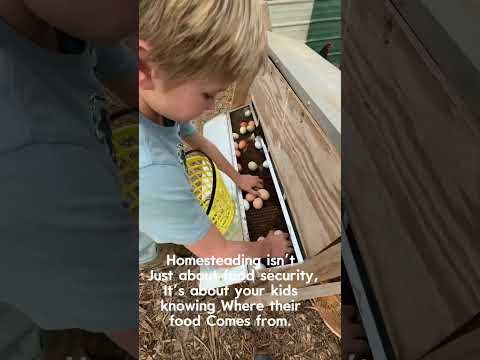
TL;DR: Homesteading extends beyond basic security to embrace land, community, and personal growth for a resilient lifestyle.
- Homesteading builds resilience and reduces external dependence.
- Food independence focuses on sustainable cultivation and preservation.
- Water management prioritizes collection, storage, and conservation.
- Diverse practical skills are essential for self-sufficiency.
Why it matters: Embracing homesteading practices can foster a deeper connection to natural processes and build inherent resilience in daily life, less reliant on external systems.
Do this next: Explore local workshops on sustainable food cultivation or water harvesting techniques.
Recommended for: Individuals interested in building a resilient, self-sufficient lifestyle through practical engagement with their environment and community.
Homesteading, often romanticized as a self-sufficient and idyllic lifestyle, encompasses a broad spectrum of activities and motivations beyond simply ensuring one's safety and well-being. While security, in terms of food, water, and shelter, is a foundational element, the practice extends into a deeper engagement with the land, community, and personal development. It's about cultivating a resilient way of life that minimizes dependence on external systems and fosters a connection with natural processes.
One of the core tenets of homesteading is the pursuit of food independence. This involves growing a significant portion of one's own food, whether through gardening, raising livestock, or foraging. The emphasis is on sustainable practices that enrich the soil, conserve water, and promote biodiversity. This often translates to organic or biodynamic methods, avoiding synthetic pesticides and fertilizers, and focusing on heirloom varieties that are well-suited to the local climate. Beyond just producing food, homesteaders often engage in food preservation techniques like canning, dehydrating, fermenting, and freezing to ensure a year-round supply and minimize waste. This aspect of homesteading not only provides nutritious food but also offers a sense of accomplishment and a deeper understanding of where food comes from.
Water management is another critical component. Homesteaders often implement strategies to collect, store, and conserve water, recognizing its vital role in both agricultural production and daily living. This can include rainwater harvesting systems, greywater recycling for irrigation, and efficient watering techniques for gardens. The goal is to reduce reliance on municipal water sources and create a more self-sufficient water supply, especially in areas prone to drought or water scarcity.
Beyond the immediate necessities, homesteading often involves developing a diverse set of practical skills. This can range from carpentry and basic construction for building and maintaining structures, to animal husbandry for raising livestock, to mechanical repairs for keeping equipment operational. The ability to mend, build, and innovate is highly valued, fostering a sense of resourcefulness and reducing the need for external services. This hands-on approach to problem-solving is a defining characteristic of the homesteading lifestyle.
Energy independence is also a significant consideration for many homesteaders. This might involve exploring renewable energy sources such as solar panels or wind turbines to generate electricity, or utilizing wood-burning stoves for heating and cooking. The aim is to reduce reliance on fossil fuels and create a more environmentally friendly and resilient energy system. This often goes hand-in-hand with a conscious effort to reduce overall energy consumption through efficient design and mindful living.
Community plays an often-underestimated role in successful homesteading. While the image of a solitary homesteader is prevalent, many find strength and support in connecting with like-minded individuals. This can involve sharing resources, trading skills, bartering goods, and collaborating on larger projects. Local networks can provide invaluable knowledge, assistance during challenging times, and a sense of belonging that enriches the homesteading experience. This communal aspect can also extend to participating in local farmers' markets or community-supported agriculture (CSA) programs, further integrating the homestead into the broader local economy.
Ultimately, homesteading is a journey of continuous learning and adaptation. It requires a willingness to experiment, to learn from failures, and to constantly refine practices. It's a lifestyle that emphasizes resilience, self-reliance, and a deep respect for the natural world. While the initial motivation might be rooted in a desire for security, the practice evolves into a holistic approach to living that encompasses ecological stewardship, skill development, and community engagement, fostering a more sustainable and fulfilling existence.