Junkyard to Farm: No-Till, Water & Soil Biology Wins
By No-Till Growers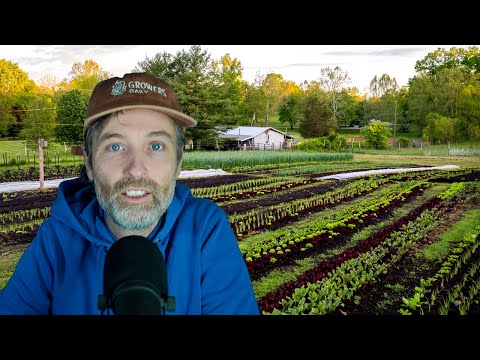
PermaNews Brief
Key Takeaways
Turning neglected land into a productive farm presents significant challenges, but strategic development, especially with no-till and permaculture methods, can lead to remarkable transformations.
- Land acquisition often brings initial feelings of overwhelm.
- Site assessment and extensive planning are crucial for success.
- No-till and permaculture methods can restore degraded land.
- Even junkyards can become thriving agricultural spaces.
Why It Matters
Understanding the complexities and potential for land transformation can empower more individuals to pursue sustainable agriculture, even on challenging sites.
What to Do Next
Watch the video to learn how to transform a challenging property into a productive farm.
Recommended for: Aspiring farmers and permaculturists facing the challenges of land acquisition and development.
The article from No-Till Growers, titled "Land is Overwhelming + From Junkyard to Farm," delves into the multifaceted challenges and rewarding transformations associated with acquiring and developing land for agricultural purposes, particularly within a permaculture or no-till framework. It highlights the significant emotional and practical hurdles faced by aspiring and established farmers when confronted with the reality of land ownership and its subsequent development.
A central theme is the initial feeling of being overwhelmed that often accompanies the acquisition of land. This sentiment stems from various factors, including the sheer scale of the undertaking, the often-unforeseen condition of the property, and the extensive planning required to transition it into a productive agricultural space. The article suggests that many individuals, particularly those new to farming or permaculture, underestimate the amount of work involved in site assessment, infrastructure development, and soil remediation. This initial overwhelm can be a significant barrier, potentially leading to paralysis or burnout if not addressed strategically.
The narrative then shifts to a specific case study, illustrating a remarkable transformation from a "junkyard" to a thriving farm. This example serves as a powerful testament to the potential for rehabilitation and the dedication required to achieve such a feat. The "junkyard" designation implies a property that was not only neglected but likely contained significant debris, contaminated soil, and a lack of existing agricultural infrastructure. The process of converting such a site into a farm would involve extensive cleanup, including the removal of waste materials, potentially hazardous substances, and invasive species.
Beyond the initial cleanup, the article implicitly discusses the subsequent stages of land development crucial for permaculture and no-till practices. This would include soil building and amendment, which is particularly vital on degraded land. Techniques such as composting, cover cropping, and the incorporation of organic matter would be essential to restore soil health, improve fertility, and enhance water retention. The no-till approach, central to the source, would further emphasize minimizing soil disturbance to preserve soil structure and microbial life.
Infrastructure development is another key aspect. A former junkyard would likely lack basic necessities for farming, such as reliable water sources, irrigation systems, fencing, and structures for storage or animal housing. The article suggests that the transformation involved careful planning and execution of these elements, tailored to the specific needs of the farm and its chosen agricultural methods. This could include rainwater harvesting, the establishment of ponds or swales for water management, and the construction of appropriate shelters.
The article also touches upon the long-term vision and commitment required for such a project. Transforming a degraded site into a productive farm is not a short-term endeavor but rather a multi-year process that demands patience, perseverance, and continuous learning. It implies a deep understanding of ecological principles and a willingness to adapt strategies based on observations and results. The success of such a transformation also highlights the importance of a holistic approach, considering not just crop production but also biodiversity, water conservation, and overall ecosystem health.
In essence, the article from No-Till Growers serves as both a cautionary tale about the challenges of land development and an inspiring narrative about the possibilities of regeneration. It underscores the importance of thorough planning, strategic implementation, and unwavering dedication in turning even the most unpromising land into a vibrant and productive agricultural ecosystem, particularly through the lens of permaculture and no-till principles.
Source: youtube.com
Related Analysis
- Food Forest Courses Shift From Theory to Build-Ready Skills — Several food forest courses now open with site assessment and guild-building rather than design theory, suggesting a dev…
- Practitioners Build Silvopasture Playbook Before Researchers Catch Up — A small but consistent set of signals from the Northeast U.S. shows farmers actively piloting silvopasture while formal …
Related on PermaNews
- Soil Health Secret: Fix Soil Forever With This One Amendmen (Video)
- Bodenkohlenstoff: Permakultur als Klimaretter? (How-To Guide)
- Permakultur: CO2-Speicher Boden gegen den Klimawandel (How-To Guide)
- Permakultur & Kohlenstoff-Speicherung: Workshop 2025 (Event)
- Healthy Soil: Your Foundation for Life & Growth (Video)
- REDOX Explained: Soil Health's Core Concept (Video)
Explore more in Food Systems & Growing — the full hub for this knowledge area.