PermaNews: Shepherd Farms' Direct-to-Consumer Organic Growth (210)
By Grazing Grass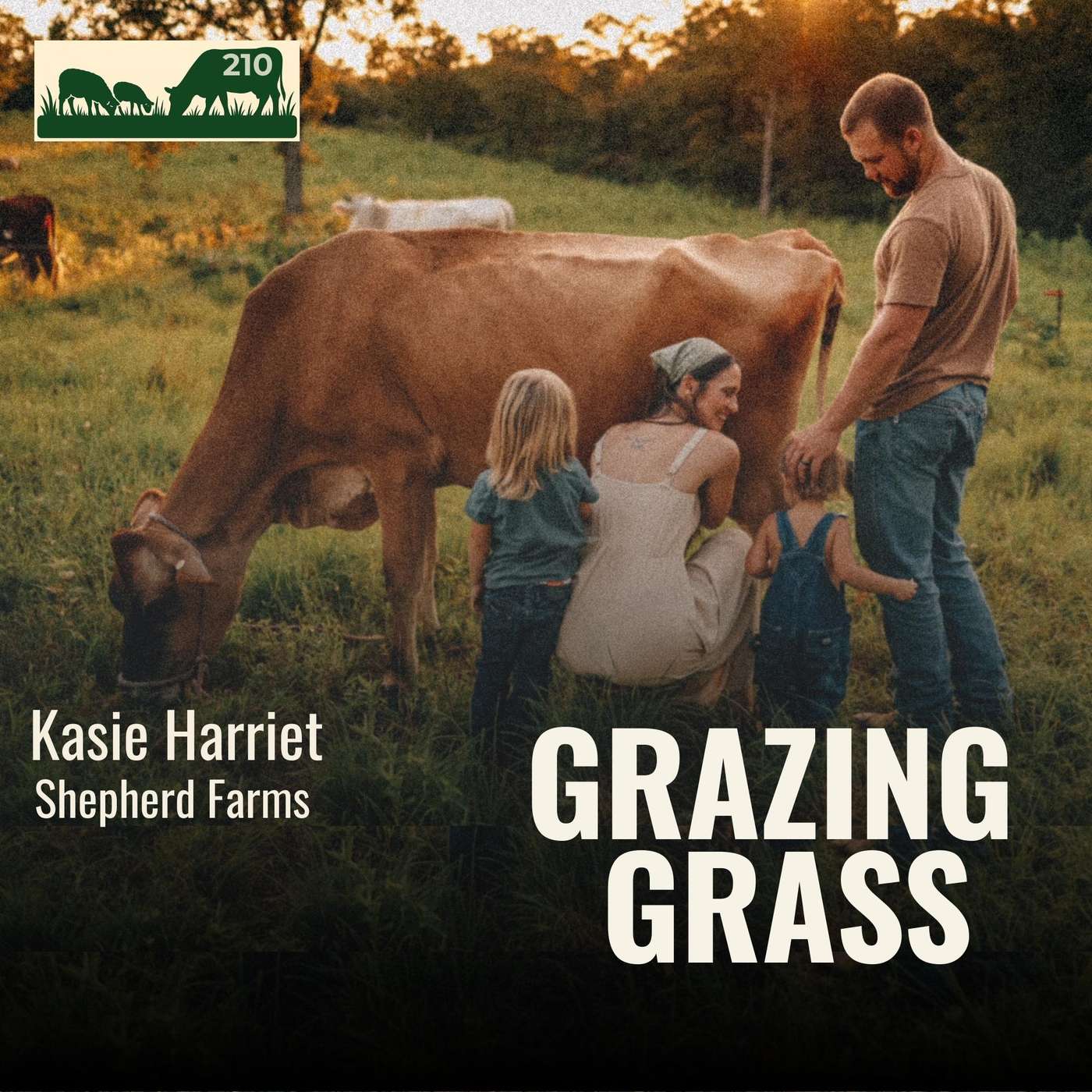
TL;DR: Shepherd Farms shares their journey developing a direct-to-consumer agricultural business, focusing on raw milk production, rotational grazing, and innovative small-scale dairy management.
- Rotational grazing is key for managing cows.
- Low-cost, movable milking stanchions increase efficiency.
- Cleanable equipment is crucial for dairy hygiene.
- Calf sharing offers herd management flexibility.
- Facebook builds community and educates customers.
Why it matters: Shepherd Farms offers practical insights into starting and succeeding with a small-scale, direct-to-consumer dairy operation, emphasizing resilience and adaptability.
Do this next: Listen to the full podcast episode to learn more about their specific strategies for herd management and customer engagement.
Recommended for: Anyone looking to start or improve a small-scale, direct-to-consumer dairy operation, focusing on practical solutions and community engagement.
Kasie Harriet, alongside her husband Jacob, is developing Shepherd Farms into a direct-to-consumer agricultural enterprise. Their offerings include raw milk, sourdough bread, and tallow-based skincare products. A core aspect of their operation involves managing cows through a rotational grazing system, as they navigate the complexities of running a small-scale dairy at a family level.
Harriet's journey into farm life and dairy cows began after her involvement with FFA (Future Farmers of America) and wildlife conservation work. The decision to pursue raw milk production was a significant turning point, leading them to acquire their first family milk cow. This initial experience provided valuable lessons, particularly when the cow tested positive for bacteria, requiring them to learn effective management strategies for such situations.
A practical innovation at Shepherd Farms is their movable, low-cost milking stanchion. This design reflects their philosophy that extensive resources are not always necessary to achieve significant results. They have also gained insights into the differences between hand milking and machine milking, emphasizing the critical importance of easily cleanable equipment for maintaining hygiene in a dairy setting.
Their approach to dairy cow ownership incorporates calf sharing and calf grafting, practices that offer increased flexibility in managing their herd. Beyond production, they manage the sale of surplus milk, handling weekly customer interactions, and overseeing jar deposits. When selecting new milk cows, Harriet and Jacob prioritize several factors, including health testing, temperament, training, and the animal's feeding history.
To connect with their customer base and foster a local direct-to-consumer community, Shepherd Farms actively utilizes Facebook. This platform serves as a tool for educating customers, building trust, and expanding their reach.
The experiences shared by Kasie Harriet offer practical insights for anyone considering owning a family milk cow or entering the direct-to-consumer raw milk market. Her narrative addresses the often-overlooked realities of such endeavors, encompassing aspects like cow selection, sanitation protocols, equipment choices, customer relationship management, and the inevitable setbacks that can occur despite careful planning. Harriet's story underscores the importance of continuous learning, adaptability, and perseverance in agricultural pursuits.
Additional resources mentioned that support these practices include the book "Keeping a Family Cow" by Joann S. Grohman and the Facebook group "Keeping a Family Milk Cow, holistic and organic." Shepherd Farms can be found on Facebook, where they share updates about their operations. The broader context of grass-based agriculture is also highlighted, with a directory for grass-based breeders and information on upcoming grazing events, such as Noble Profitability Essentials and the Arrow L Ranch Annual Production Sale. The podcast episode also acknowledges sponsors like the Noble Research Institute and Redmond Agriculture, and provides links to the Grazing Grass website and its community on Facebook.