Permaculture Swale Installation: Water Harvesting How-To
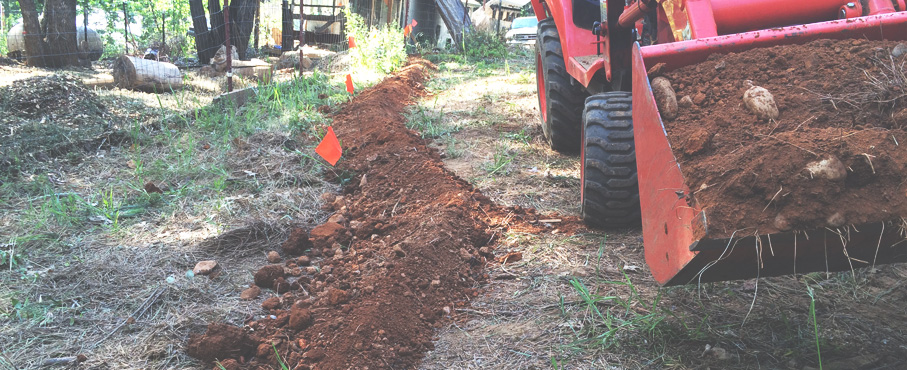
TL;DR: Swales are on-contour, flat-bottomed ditches that capture and infiltrate rainwater, creating passive irrigation for plants and preventing erosion.
- Install swales on contour to maximize water infiltration.
- Flat bottoms are crucial for even water distribution.
- Swales support tree growth, even in dry climates.
- They prevent erosion by slowing and spreading water.
- Organic matter accumulation builds soil fertility.
Why it matters: Swales offer a sustainable way to manage water, enhance plant growth, and prevent soil degradation, making landscapes more resilient to drought and erosion.
Do this next: Assess your property for suitable swale locations, considering slope, soil, and watershed size.
Recommended for: Landowners, gardeners, and permaculture practitioners looking to implement effective water harvesting and erosion control strategies.
Swales are water-harvesting ditches built on the contour of a landscape, designed to slow water movement and maximize infiltration into surrounding soil. Unlike conventional ditches that slope to move water away, swales feature a flat bottom that allows water to fill uniformly like a bathtub, creating passive water retention systems. The installation process involves moving soil to create both a berm (raised mound on the downhill side) and a basin (the ditch itself), with finished swales often appearing nearly unnoticeable once mulched. Swales work by capturing rainwater and hydrating soil to support plant growth and mitigate drought issues. The flat-bottomed design is critical to function: water doesn't flow along the bottom as it would on a slope, but instead fills evenly across the entire width. This design principle enables capillary action in surrounding soil to be highly effective, allowing mounds along the swale to provide sufficient water for establishing tree systems with minimal additional irrigation. The stored water creates an underground reservoir that aids plant growth for tens of feet below the swale. Swales are particularly effective for tree establishment—trees planted on the mound at the right time of year (when the swale wall is wet) have significantly higher success rates than trees planted in open fields. Conventional wisdom suggests 15 inches (381mm) of annual rainfall is needed to establish trees, but swale systems effectively concentrate available water, making tree establishment possible in drier climates. Beyond water retention, swales prevent gullies from forming by intercepting rainwater, slowing it, and spreading it to decrease erosive potential. The ditch accumulates organic matter over time, creating a rich humus layer that holds considerable water volume. Swales are most appropriate for slopes of 5% or less, with effectiveness determined by watershed size, climate, soil type, and land use. Small watersheds, sandy soils, and forested areas produce minimal runoff, while large watersheds and clay/loam soils shed more water. Swales can be connected to pond systems, with overflow from one swale feeding into the next, creating integrated water management networks that slow, spread, and sink water across the landscape.