2024 Septic System Care: 4 Eco-Tips for Longevity & Safety
By Ricardo Orlando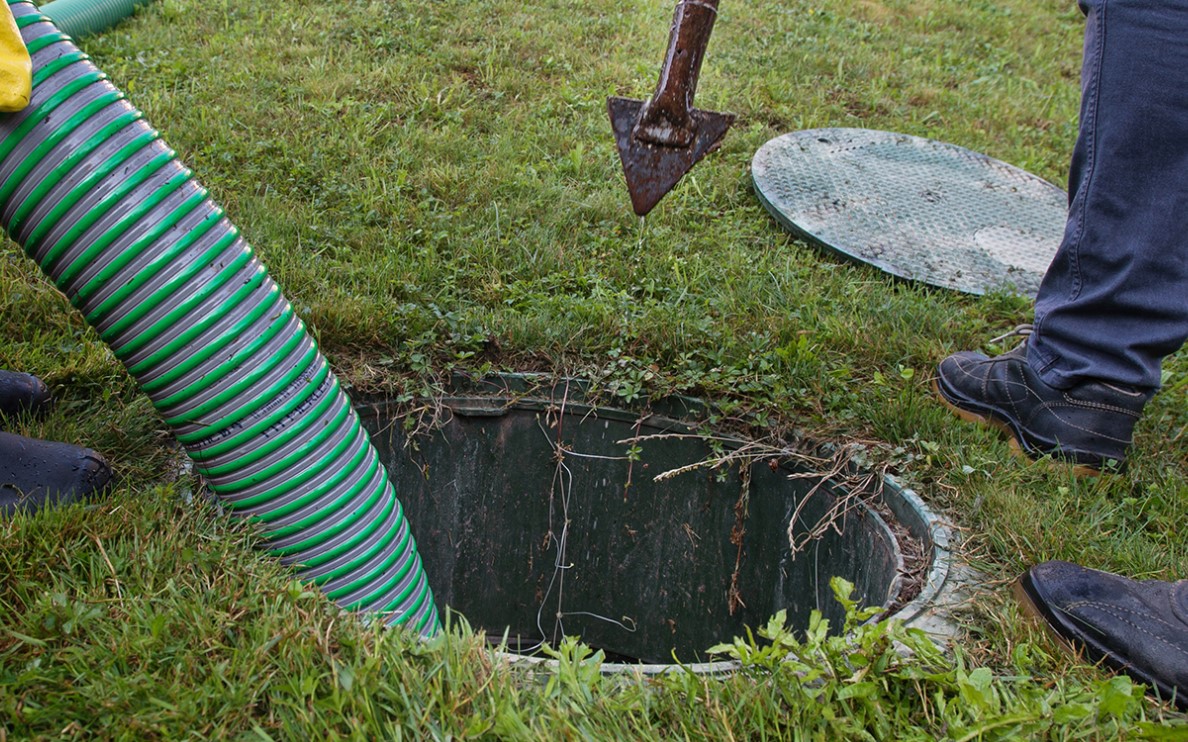
PermaNews Brief
Key Takeaways
Proper septic system maintenance is crucial for environmental protection, preventing costly repairs, and ensuring the system operates efficiently for years.
- Mindful water usage prevents system overload and groundwater contamination.
- Be highly selective about what goes down your drains.
- Avoid harsh chemicals that disrupt beneficial bacteria.
- Regular pumping is essential for system longevity and functionality.
Why It Matters
Effective septic system maintenance protects human health, preserves the environment from contamination, and saves homeowners from expensive repairs and replacements.
What to Do Next
Start conserving water today by fixing any leaky faucets or toilets in your home.
Recommended for: Homeowners with septic systems who want straightforward, actionable advice on maintenance.
Maintaining a septic system effectively is crucial for environmental protection and the longevity of the system itself. Many homeowners, however, lack comprehensive knowledge regarding proper septic care, which can lead to costly repairs and potential health hazards. Understanding the fundamental principles of septic system operation and adhering to best practices for maintenance can prevent common issues and ensure the system functions optimally for many years.
One of the primary considerations for septic system health is mindful water usage. The septic system is designed to handle a specific volume of wastewater. Excessive water consumption can overwhelm the system, leading to an overflow of the septic tank or saturation of the drain field. This can result in untreated wastewater surfacing in the yard, foul odors, and potential contamination of groundwater. Homeowners should strive to conserve water by fixing leaky faucets and toilets, installing low-flow fixtures, and staggering water-intensive activities like laundry and dishwashing throughout the week. Distributing the wastewater load allows the septic tank sufficient time to separate solids and liquids, and the drain field adequate time to absorb and treat the effluent.
Another critical aspect of septic system maintenance involves being highly selective about what goes down the drains. The septic tank relies on a delicate balance of bacteria to break down organic waste. Introducing harsh chemicals, non-biodegradable materials, or excessive amounts of grease and food scraps can disrupt this bacterial activity. Items such as paints, solvents, pesticides, pharmaceuticals, and even certain cleaning products can kill the beneficial bacteria, hindering the decomposition process. Similarly, flushing non-biodegradable items like wet wipes, paper towels, feminine hygiene products, and cat litter can lead to blockages in the pipes or the septic tank itself. Grease and cooking oils should also be avoided, as they can solidify in the pipes and tank, contributing to clogs and reducing the system's efficiency. A good rule of thumb is to only flush human waste and toilet paper that is specifically designed for septic systems.
Regular pumping of the septic tank is also an indispensable part of maintenance. Over time, solids accumulate at the bottom of the septic tank, forming a sludge layer. If this sludge is not removed periodically, it can build up to a point where it overflows into the drain field, causing irreversible damage. The frequency of pumping depends on several factors, including the size of the septic tank, the number of occupants in the household, and the volume of wastewater generated. Generally, it is recommended to have the septic tank pumped every three to five years. However, systems with garbage disposals or a higher number of residents may require more frequent pumping. A qualified septic professional can assess the sludge levels and recommend an appropriate pumping schedule.
Finally, proper care of the drain field is essential for the long-term health of the septic system. The drain field, also known as the leach field, is where the partially treated wastewater from the septic tank is dispersed into the soil for further treatment. It is crucial to avoid driving or parking heavy vehicles over the drain field, as this can compact the soil and damage the underground pipes, impairing its ability to absorb and treat effluent. Planting trees or shrubs with extensive root systems near the drain field should also be avoided, as roots can infiltrate and clog the pipes. Instead, a well-maintained lawn over the drain field is ideal, as the grass helps absorb excess moisture. Any signs of standing water, lush green patches, or foul odors in the drain field area could indicate a problem and warrant immediate attention from a septic professional. Adhering to these maintenance guidelines can significantly extend the life of a septic system, protect the environment, and prevent costly repairs.
Source: urbanfarmonline.com
Related Analysis
- Off-Grid Homesteads Merge Thermal and Electrical Renewable Systems — Several 2024–2025 case studies show off-grid permaculture sites pairing rocket mass heaters with solar or micro-hydro el…
- Off-Grid Solar Projects Shed Legacy Batteries for LFP — Several sources suggest LFP batteries are becoming the go-to storage solution as solar adoption grows across off-grid an…
Related on PermaNews
- Berlins schwimmende Gärten: Permakultur auf dem Wasser (Case Study)
- Finca Bellavista: Costa Rica's 200-Acre Water System Innovation (Case Study)
- Priya's 2024 India Report: 10-Hectare Water Harvesting Success (Case Study)
- Borneo's Rainforest Revival: Dr. Smits' Sugar Palm Village Hub (Case Study)
- Holmgren's 40 Yrs: Abundant Permaculture Design Webinar 3 (Video)
- Water Cycle Restoration Research: Indigenous Wisdom Meets Permaculture (Article)
Explore more in Shelter, Energy & Infrastructure — the full hub for this knowledge area.