Off-Grid Cob Oven & Smoker: Ingenious Homestead Solution
By Exploring Alternatives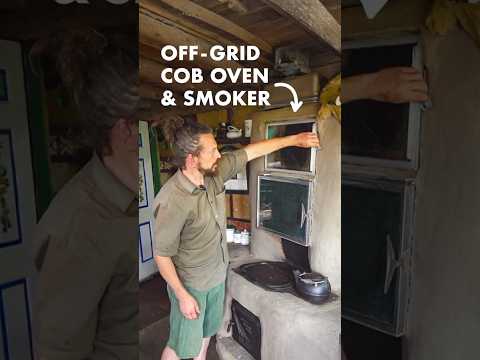
TL;DR: Build a versatile cob oven and smoker off-grid using natural materials for baking and smoking, ideal for self-sufficient living.
- Cob offers excellent thermal mass for efficient heat retention.
- Integrated design allows for both baking and smoking.
- Utilize readily available natural and recycled materials.
- Flues and dampers enable precise smoke and temperature control.
- Sturdy base elevates and insulates from the ground.
Why it matters: This integrated cob oven and smoker design provides a sustainable, cost-effective way to prepare food off-grid, enhancing food security and reducing reliance on conventional energy sources.
Do this next: Watch the video to understand the construction process of this dual-function cob oven and smoker.
Recommended for: Homesteaders and permaculture enthusiasts interested in natural building and off-grid food preparation.
This video showcases the construction and functionality of a versatile off-grid cob oven and smoker, designed for homesteading and self-sufficient living. The project emphasizes the use of natural, readily available materials and a clever design that integrates both baking and smoking capabilities into a single unit.
The core of the structure is built from cob, a traditional building material composed of clay, sand, and straw. This mixture is known for its excellent thermal mass properties, meaning it can absorb and retain heat efficiently, which is crucial for consistent baking temperatures. The video highlights the hands-on process of mixing and applying the cob, demonstrating how layers are built up to form the oven's dome shape. This method is not only cost-effective but also environmentally friendly, as it utilizes local resources and minimizes reliance on manufactured goods.
A key feature of this design is its dual functionality. The primary chamber serves as a traditional cob oven, ideal for baking bread, pizzas, and other dishes that require high, sustained heat. The thermal mass of the cob ensures that once heated, the oven maintains its temperature for extended periods, allowing for multiple batches of baking or slow cooking.
Integrated into the design is a separate smoking chamber. This is achieved through a clever arrangement of flues and dampers that allow smoke from a separate firebox to be directed into the smoking area without directly exposing the food to the flames. The video illustrates how this system is controlled, enabling the user to regulate the amount of smoke and temperature within the smoking chamber. This setup is suitable for smoking various foods, such as meats, fish, or cheeses, imparting a distinct flavor profile.
The construction process also involves the creation of a sturdy base, often made from stone or recycled materials, to elevate the oven and provide insulation from the ground. This base also incorporates a space for storing firewood, making the unit self-contained and convenient. Insulation is further enhanced by incorporating a layer of natural insulating material, such as perlite or wood chips, between the inner cob layer and an outer protective layer. This helps to maximize heat retention and improve the oven's efficiency.
The video emphasizes the practical aspects of using such a system in an off-grid or homesteading context. It demonstrates how the oven is fired, typically using wood, and how the temperature can be monitored and controlled. The design prioritizes durability and longevity, ensuring that the structure can withstand various weather conditions and provide reliable service for many years.
Overall, the cob oven and smoker presented in the video is a testament to sustainable living and resourceful design. It offers a practical, efficient, and environmentally conscious solution for cooking and food preservation, showcasing how traditional building techniques can be adapted to modern self-sufficient lifestyles. The project serves as an example of how natural materials can be transformed into highly functional and aesthetically pleasing structures for the homestead.