TCC Southeast: Secluded Garden, Aquaponics, Regenerative Success
PermaNews Brief
Key Takeaways
A college campus transformed an unused area into a thriving community garden and aquaponics system, demonstrating sustainable practices and educational opportunities.
- Campus garden combines rentable plots and aquaponics.
- Regenerative practices improve soil and conserve water.
- Aquaponics reduces water use by 90%.
- Professor-led initiatives build sustained engagement.
- Hybrid garden models maximize learning and growth.
- Biodiversity enhanced with pollinator strips and native plants.
Why It Matters
This case study offers a replicable model for converting underutilized spaces into productive, educational, and sustainable hubs, fostering ecological resilience and community involvement.
What to Do Next
Identify an underused space on your campus or in your community for a similar regenerative project.
Recommended for: Educators, urban planners, and community organizers interested in developing sustainable and engaging green spaces.
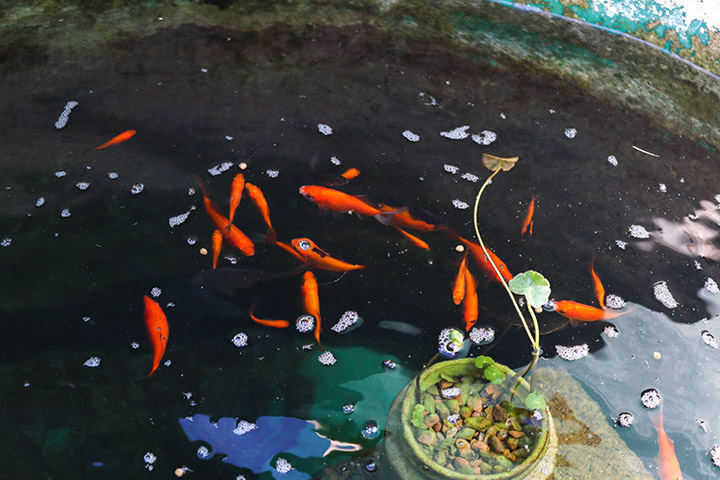
TCC Southeast Campus hosts a secluded community garden in a far corner, featuring two core components that embody regenerative practices: rentable plots for faculty, students, and clubs, and an aquaponics system maintained by history professor Bradley Borougerdi. This setup has flourished for years, creating an intricate circulation system of plant life and sustainability. The garden's design promotes soil health through minimal disturbance techniques, organic inputs, and water-efficient aquaponics, where fish waste fertilizes plants and plants filter water for fish, mimicking natural ecosystems. Rental plots encourage hands-on learning, with specific guidelines for renters including seasonal agreements via the Sustainability Committee, crop rotation to prevent soil depletion, and mulching with campus-generated organics. Borougerdi's aquaponics garden serves as a demonstration hub, showcasing pumps, grow beds, and fish species like tilapia suited to Texas conditions, yielding herbs, vegetables, and educational insights. Practical steps for replication involve site selection in shaded, low-traffic areas; initial soil amendment with compost; integration of rainwater harvesting; and community events for maintenance. Biodiversity enhancements include pollinator strips and native plants, fostering insect balance and wildlife corridors. The garden's longevity—thriving despite campus demands—highlights resilience built from closed-loop nutrient management and volunteer networks. Key insights for practitioners: aquaponics reduces water use by 90% compared to traditional gardening; professor-led models sustain momentum through curriculum ties; and hybrid rental-demo structures maximize engagement. Challenges addressed include infertile soil via layered mulching and initial fish stocking protocols. This case offers actionable depth on scaling small campus gardens into regenerative hubs, with photo-documented progress showing lush growth and tool organization in repurposed structures. It provides a blueprint for educational regenerative projects, emphasizing measurable outcomes like increased campus greenery and student involvement.
Source: collegian.tccd.edu
Related Analysis
- High-Salt Fertilizers Block Soil Microbes, Kempf Says — High-salt fertilizers disrupt soil microbes and microbial colonization, trapping farmers in chemical dependency. Biologi…
- Fertilizer Shortage Forces Reckoning on Nitrogen Sources — Fertilizer supply crisis drives farms toward nitrogen-fixing cover crops, compost, and legume rotations as alternatives.
Related on PermaNews
- Ernst Götsch's Cacao Syntropy: Master Agroforestry Now (How-To Guide)
- Designing Regenerative Resilience: Participatory Living Labs (How-To Guide)
- Lo—TEK: Indigenous Tech for Climate Solutions (Article)
- Nakivale's Regenerative Toilets: Refugee Resilience, Circular Sanitation (Case Study)
- Pippin Home Designs: Regenerative Home Design Explained (How-To Guide)
- Federal Policy Shift: Native Regenerative Ag for Soil & Carbon (Article)
Explore more in Food Systems & Growing — the full hub for this knowledge area.