Vetiver Reed Beds: Natural Household Wastewater Treatment
By Discover Permaculture with Geoff Lawton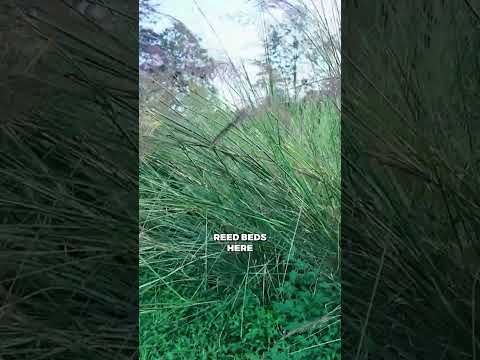
TL;DR: Vetiver grass reed beds offer a natural and sustainable way to treat household wastewater for reuse in irrigation.
- Vetiver reed beds naturally purify wastewater.
- Deep root systems filter solids and support microbes.
- Microbes break down organic pollutants effectively.
- Vetiver absorbs excess nitrogen and phosphorus.
- Treated water is safe for non-potable uses.
Why it matters: This sustainable wastewater treatment method can reduce water consumption and minimize environmental pollution from household discharge.
Do this next: Research local regulations for greywater reuse and vetiver availability in your area.
Recommended for: Homeowners, small communities, or farmers seeking to manage and reuse wastewater sustainably.
A natural wastewater treatment system utilizing vetiver grass, known as a vetiver reed bed, offers an effective and sustainable solution for managing household wastewater. This system is designed to purify water through a combination of physical, chemical, and biological processes, making it suitable for reuse in various non-potable applications, such as irrigation for gardens or orchards.
The core of this system is the vetiver grass (Vetiveria zizanioides), a remarkable plant with several characteristics that make it ideal for wastewater treatment. Vetiver possesses an extensive and deep root system, which can penetrate several meters into the soil. This dense root mass creates a highly effective filter, physically trapping suspended solids and other particulate matter present in the wastewater. Beyond physical filtration, the roots also provide a vast surface area for beneficial microorganisms to colonize. These microbes play a crucial role in breaking down organic pollutants, converting complex compounds into simpler, less harmful substances.
When household wastewater, which typically contains organic matter, nutrients like nitrogen and phosphorus, and various microorganisms, is directed into a vetiver reed bed, it undergoes a series of purification steps. Initially, larger solids are filtered out as the water percolates through the root zone. As the water continues to move through the system, the microbial communities associated with the vetiver roots actively metabolize organic pollutants. This biological degradation process significantly reduces the biochemical oxygen demand (BOD) and chemical oxygen demand (COD) of the water, indicating a reduction in organic contamination.
Furthermore, vetiver grass is highly efficient at absorbing excess nutrients from the wastewater. Nitrogen and phosphorus, which can contribute to eutrophication in natural water bodies if discharged untreated, are taken up by the vetiver plants as essential nutrients for their growth. This phytoremediation aspect not only cleans the water but also contributes to the healthy growth of the vetiver itself, which can then be harvested and used for other purposes, such as mulch or handicrafts, creating a closed-loop system.
The design of a vetiver reed bed typically involves excavating a trench or basin, lining it with an impermeable material to prevent groundwater contamination, and then filling it with layers of gravel and sand to provide a substrate for the vetiver plants. The vetiver slips are then planted densely across the bed. Wastewater is introduced at one end and allowed to flow slowly through the system, either horizontally or vertically, depending on the specific design. The slow flow rate ensures sufficient contact time between the wastewater, the vetiver roots, and the microbial communities, maximizing the purification efficiency.
One of the significant advantages of vetiver reed beds is their low maintenance requirements and operational costs. Unlike conventional mechanical wastewater treatment plants, they do not require electricity for aeration or complex machinery. The system relies primarily on natural processes and the inherent capabilities of the vetiver plant. This makes them particularly suitable for rural areas, off-grid living, or communities seeking sustainable and environmentally friendly wastewater management solutions.
Moreover, vetiver is a hardy and resilient plant, tolerant of a wide range of soil conditions, climates, and even varying levels of pollution. It can withstand periods of drought and inundation, making it a robust choice for diverse geographical locations. The aesthetic appeal of vetiver, with its tall, graceful foliage, can also integrate well into landscape designs, potentially turning a functional wastewater treatment system into an attractive garden feature.
In summary, vetiver reed beds offer a compelling permaculture-based approach to household wastewater treatment. By harnessing the natural filtering, nutrient absorption, and microbial support capabilities of vetiver grass, these systems effectively transform contaminated water into a cleaner effluent suitable for non-potable reuse. Their simplicity, low operational costs, and environmental benefits position them as a valuable tool for sustainable water management in various settings.