Diabetic Divers: Safe Scuba Techniques Revealed
By Self Sufficient Rhys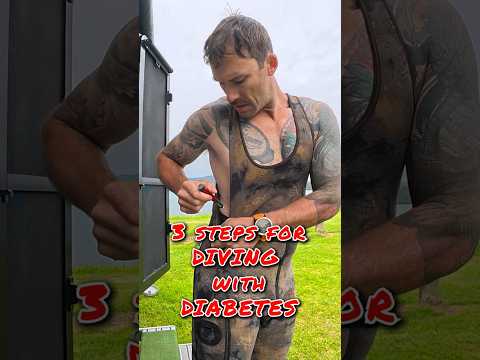
TL;DR: Diabetics can safely scuba dive by following strict medical protocols and managing blood sugar meticulously, challenging previous misconceptions.
- Diabetes is no longer an absolute barrier to scuba diving.
- Hypoglycemia is the primary risk for diabetic divers.
- Comprehensive medical evaluation is crucial before diving.
- Frequent blood glucose monitoring is essential for safety.
- Specific blood sugar ranges are recommended for diving.
Why it matters: This information opens up recreational opportunities for individuals with diabetes, promoting inclusivity and challenging outdated medical advice.
Do this next: Consult a doctor specializing in diving medicine to assess your eligibility and create a personalized diving plan.
Recommended for: Diabetics interested in scuba diving and medical professionals advising them.
The article discusses the considerations and precautions for individuals with diabetes who wish to engage in scuba diving. It emphasizes that while diabetes was once considered a contraindication for diving, advancements in medical understanding and technology have made it possible for many diabetics to dive safely, provided certain criteria are met and strict protocols are followed.
A primary concern for diabetic divers is the risk of hypoglycemia (low blood sugar) underwater. The physical exertion of diving, combined with the cold environment, can increase glucose utilization, potentially leading to a sudden drop in blood sugar. Hypoglycemia underwater can be extremely dangerous, as it can impair judgment, cause confusion, and lead to loss of consciousness, posing a significant risk to the diver and their buddy. Conversely, hyperglycemia (high blood sugar) can also be problematic, as it can lead to dehydration and impaired cognitive function, though it is generally considered less acutely dangerous than hypoglycemia during a dive.
To mitigate these risks, a comprehensive medical evaluation by a doctor specializing in diving medicine is essential. This evaluation should assess the individual's diabetes management, including their history of glycemic control, frequency and severity of hypoglycemic episodes, and presence of any diabetes-related complications such as neuropathy, retinopathy, or nephropathy. These complications can affect a diver's ability to equalize pressure, see clearly, or withstand the physiological stresses of diving.
For individuals with Type 1 diabetes, who rely on insulin, meticulous blood glucose monitoring is paramount. Divers are typically advised to check their blood sugar levels frequently before, during (if possible, though this is often impractical underwater), and after dives. Specific blood glucose ranges are recommended for diving, often higher than typical target ranges, to create a buffer against hypoglycemia. For instance, a diver might be advised to have a blood glucose level above a certain threshold (e.g., 150 mg/dL or 8.3 mmol/L) before entering the water. Carrying fast-acting carbohydrates for emergency use is also crucial.
Type 2 diabetics, especially those managed with diet and exercise or oral medications that do not cause hypoglycemia, may face fewer restrictions. However, those on insulin or sulfonylureas still need to adhere to similar strict monitoring and management protocols as Type 1 diabetics.
The article also highlights the importance of a well-trained and informed dive buddy. The buddy should be aware of the diver's diabetic condition, understand the signs and symptoms of hypoglycemia, and know how to respond in an emergency. This includes assisting the diver to the surface safely and administering emergency glucose if necessary.
Beyond blood sugar management, other factors are considered. Divers with diabetes should maintain excellent overall health and fitness. They should avoid diving when feeling unwell or when their blood sugar control is unstable. Regular exercise, a balanced diet, and consistent medication adherence are all vital for safe diving. The article also touches upon the psychological aspect, emphasizing that diabetic divers should feel confident and comfortable with their ability to manage their condition underwater.
In summary, while diving with diabetes requires careful planning, rigorous monitoring, and a strong commitment to self-management, it is achievable for many individuals. The key is a thorough medical assessment, strict adherence to blood glucose management protocols, a well-prepared dive plan, and a supportive dive buddy. The overarching message is one of caution and preparedness, ensuring that the joy of diving can be experienced safely by those living with diabetes.