5 Steps to Perfect Salads + Slug Control Trick
By Permaculture facile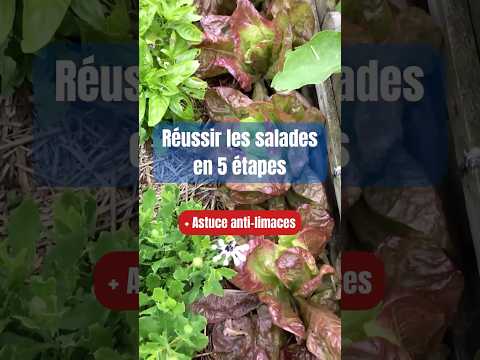
PermaNews Brief
Key Takeaways
Cultivating successful salads involves a methodical five-step process from preparation to pest management.
- Choose salad varieties suited to climate.
- Prepare rich, well-draining, slightly acidic soil.
- Sow seeds directly or start indoors.
- Space plants correctly to prevent overcrowding.
- Implement ongoing care and slug protection.
Why It Matters
Following a structured approach to salad cultivation can significantly improve yields and plant health, reducing common gardening frustrations.
What to Do Next
Consult local guides for appropriate salad varieties and soil amendments for your region.
Recommended for: Home gardeners looking to improve their salad yields and develop effective cultivation practices.
Cultivating successful salads involves a methodical approach, encompassing several key stages from preparation to pest management. The process begins with selecting the appropriate varieties and preparing the soil, moves through sowing and transplanting, and concludes with ongoing care and protection against common garden nuisances like slugs.
The initial step is crucial and involves choosing salad varieties that are well-suited to the local climate and growing conditions. There's a wide array of salad types, each with distinct characteristics regarding taste, texture, and growth habits. For instance, some varieties thrive in cooler weather, while others are more tolerant of heat. Considering factors like leaf color, shape, and maturity time can help in creating a diverse and continuous harvest. Once the varieties are selected, preparing the soil is paramount. Salad greens generally prefer rich, well-draining soil with a slightly acidic to neutral pH. Amending the soil with organic matter, such as compost or well-rotted manure, significantly improves its structure, fertility, and water retention capabilities. This foundational work ensures that the young plants have access to the necessary nutrients and a conducive environment for root development.
The second phase focuses on sowing the seeds. Salad seeds are typically small and can be sown directly into the garden bed or started indoors in trays for later transplanting. Direct sowing is often preferred for varieties that dislike root disturbance, while starting indoors can give plants a head start, especially in areas with shorter growing seasons or unpredictable weather. When sowing, it's important to follow recommended spacing guidelines to prevent overcrowding, which can lead to competition for resources and reduced yields. A common technique is to sow seeds thinly and then thin out the weaker seedlings once they have developed a few true leaves, leaving the strongest plants to grow.
The third step involves transplanting, if applicable, and ongoing care. If seeds were started indoors, the young seedlings need to be hardened off before being moved to the garden. This process gradually acclimates them to outdoor conditions, reducing transplant shock. Once in the ground, consistent watering is essential, particularly during dry spells, as salad greens have shallow root systems and require a steady supply of moisture to prevent bolting (going to seed prematurely) and to maintain tender leaves. However, overwatering should be avoided to prevent fungal diseases. Regular weeding is also critical to eliminate competition for nutrients and water.
The fourth stage is about maintenance and harvesting. As the plants grow, they may benefit from light fertilization with a balanced organic fertilizer, especially if the soil is not particularly rich. Harvesting can begin once the leaves reach a desirable size. Many salad varieties can be harvested using the "cut-and-come-again" method, where outer leaves are picked, allowing the inner leaves to continue growing, thus extending the harvest period. This method encourages continuous production and ensures a fresh supply of greens.
Finally, a significant challenge in growing salads is pest management, particularly dealing with slugs and snails. These gastropods are notorious for devouring young seedlings and tender leaves, often overnight. An effective strategy to deter slugs involves creating a physical barrier. A simple yet effective trick is to place a plastic bottle, cut in half, around the base of each plant. The smooth, vertical surface of the bottle makes it difficult for slugs to climb over and reach the foliage. This method provides a protective shield, safeguarding the vulnerable plants from nocturnal attacks. Other organic pest control methods, such as hand-picking slugs, using slug traps, or applying diatomaceous earth, can also be integrated into a comprehensive pest management plan. By diligently following these steps, gardeners can cultivate a thriving and abundant salad patch, enjoying fresh, homegrown greens throughout the growing season.
Source: youtube.com
Related Analysis
- Rainforest Alliance Launches Certification Tied to Soil Results — A developing direction in regenerative ag certifications demands measurable soil outcomes, not just practice adoption. R…
- Campbell's Corporate Grants Push Farmers Into Regenerative Trials — Campbell's Grower Grants are funding real-acre regenerative trials, offering a corporate-backed mechanism for on-farm ex…
Related on PermaNews
- Boost Harvest 20-40%: Pollinators & Permaculture Power! (Video)
- Beyond Pests: Growing Food with Wildlife (Multilingual) (Video)
- Garden Pests: A Simple Ecosystem Balancing Method (Q&A) (Video)
- Conquer Beetles and Grubs for a Thriving Organic Garden (How-To Guide)
- Erdflöhe bekämpfen: Mulchen & Bodenpflege für gesunde Gärten (How-To Guide)
- Natural Pest Control: Top Herbs for Your Garden (Video)
Explore more in Food Systems & Growing — the full hub for this knowledge area.