Miyawaki Forests & Tiny Forests: Pros & Cons Explored
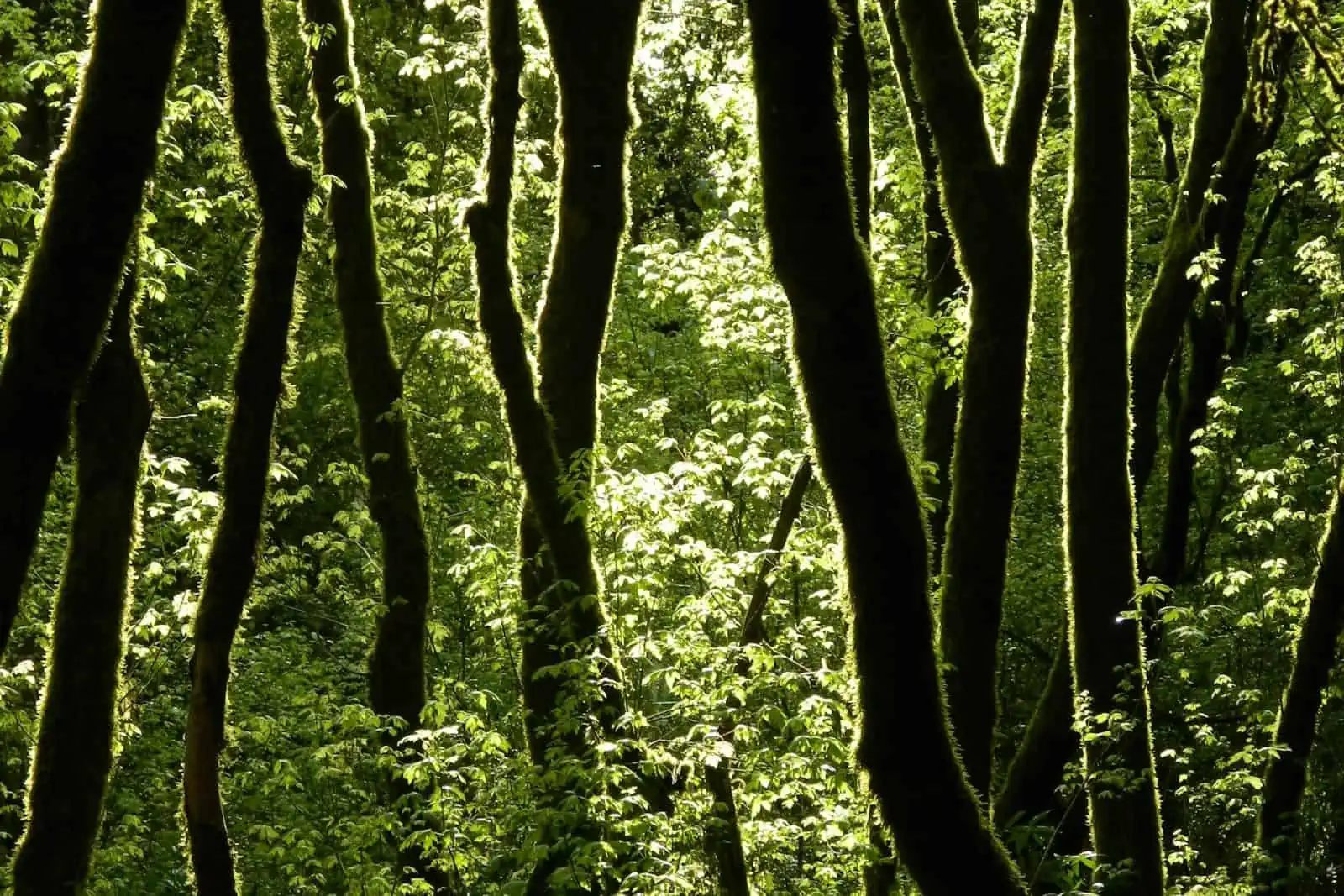
TL;DR: The Miyawaki and Tiny Forest methods offer rapid reforestation through dense, native planting, fostering biodiversity and carbon sequestration, but require careful species selection and initial care.
- Rapidly establishes diverse, native forests.
- Enhances biodiversity and ecosystem services.
- Acts as an efficient carbon sink.
- Requires initial care, then self-sufficient.
- Boosts community engagement and ownership.
Why it matters: These methods offer a powerful strategy for ecological restoration and climate change mitigation, providing a blueprint for rapidly re-establishing resilient, biodiverse ecosystems in various landscapes.
Do this next: Research local native plant species suitable for dense planting in your region to assess the feasibility of a Tiny Forest project.
Recommended for: Environmental activists, community organizers, and landowners interested in rapid, biodiverse ecological restoration and carbon sequestration.
The Miyawaki method, pioneered by Japanese botanist Akira Miyawaki, and the related Tiny Forests method developed by Shubhendu Sharma, represent innovative approaches to reforestation and biodiversity restoration. These techniques aim to accelerate forest growth by mimicking natural forest conditions through the use of native plant species, soil enhancement, and dense planting of seedlings. The core process involves identifying species indigenous to the site, improving soil quality to support rapid establishment, and planting densely to encourage competition among plants for resources like sunlight and nutrients. This competition fast-tracks ecological succession, allowing forests to mature much faster than traditional methods. Proponents highlight several key advantages. Firstly, biodiversity enhancement is a primary benefit, as the focus on native species recreates natural ecosystems that provide habitats for local flora and fauna, supporting essential services such as pollination, soil health improvement, and pest control. Secondly, these forests serve as effective carbon sinks; mature Miyawaki forests absorb and store significant amounts of carbon dioxide, contributing to climate change mitigation. Growth rates are notably rapid, with trees potentially reaching heights of 3 feet per year, and survival rates exceeding 90% when guidelines are followed. After initial maintenance for the first three years—including weeding and watering—the forests become self-sustaining, requiring minimal intervention thereafter. Community engagement is another strength, as the method involves local participation in species selection and planting, fostering a sense of ownership and appreciation for restored green spaces. However, the methods are not without drawbacks. Critics point to challenges in accurately determining the ideal mix of native species, which can be complex due to site-specific conditions and historical ecological data. Dense planting may lead to intense competition that stresses certain species, potentially reducing long-term diversity if not managed properly. Applicability is limited in some environments; for instance, in arid regions or heavily degraded soils, additional preparation might be needed beyond standard protocols. There are also debates on ecological impacts, such as whether accelerated growth truly replicates climax forests or merely creates transitional stages. Cost and labor for initial soil preparation and planting can be high, making it less feasible for large-scale projects compared to conventional forestry. Despite these cons, the Miyawaki approach has been implemented successfully on over 3,000 sites worldwide, demonstrating its potential for urban and degraded lands. It excels in small-scale afforestation, particularly in cities where space is limited, producing 'pocket forests' that offer cooling microclimates, stormwater absorption, and urban biodiversity hotspots. Examples include transformations of parking lots, schoolyards, and highway shoulders into thriving ecosystems. When combined with other restoration efforts like meadow or pond creation, it enhances overall landscape resilience. Research supports higher biodiversity in Miyawaki forests compared to neighboring woodlands, along with superior carbon sequestration rates over monoculture plantations. The method aligns with potential natural vegetation (PNV) theory, selecting species that would naturally dominate without human interference, promoting multi-layered structures with canopy trees, sub-trees, shrubs, and ground cover. This layering fosters resilience against pests, diseases, and climate variability. SUGi Project implementations report 88% survival rates and 30 times denser forests with 100 times more biodiversity than traditional ones, maturing in 20-30 years versus 100. Overall, while not a universal solution, Miyawaki offers a powerful tool for rapid ecosystem restoration, balancing speed, diversity, and sustainability in the face of global environmental crises.