Regenerative Wine: Vineyard's 2026 Shift to Permaculture
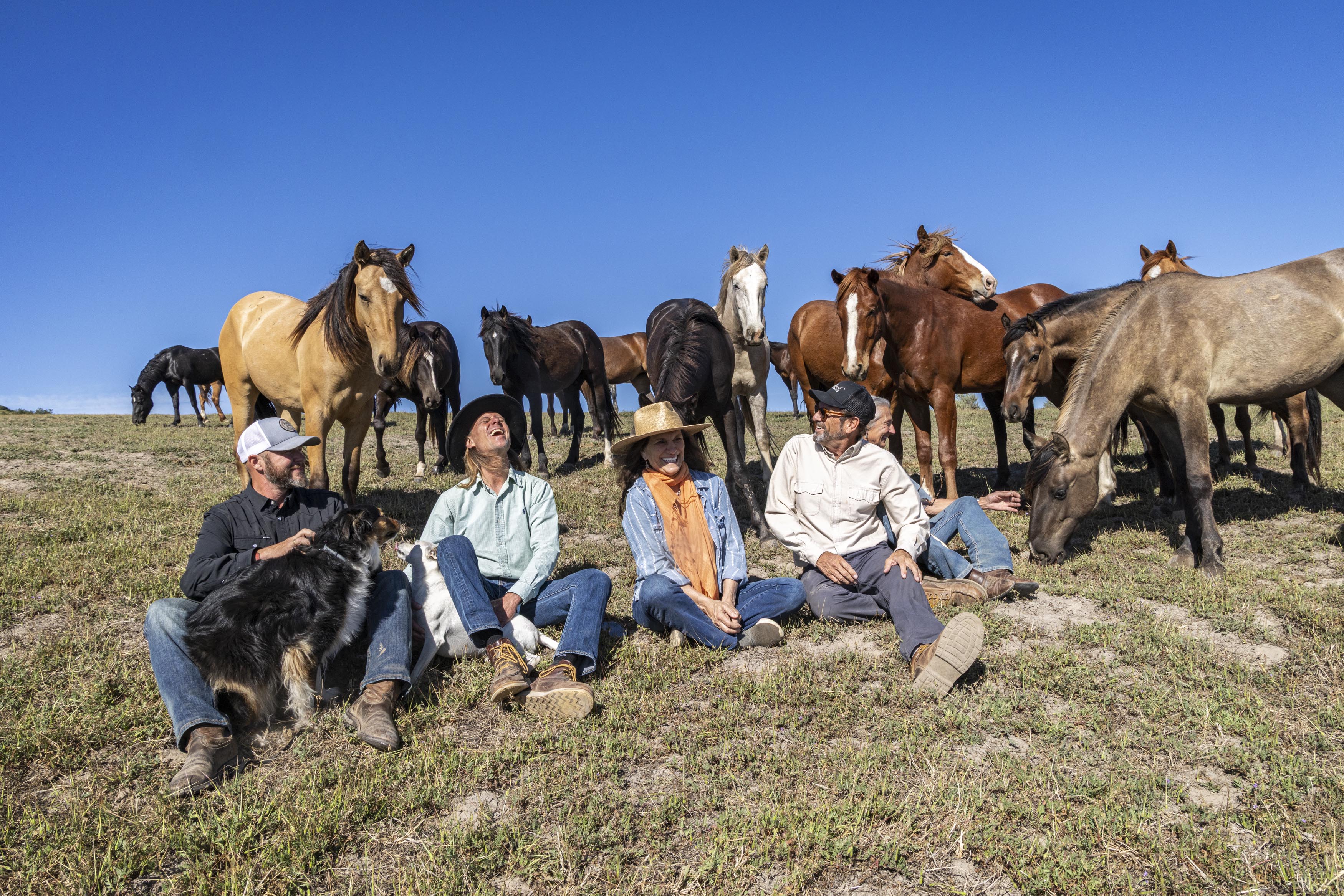
TL;DR: A vineyard successfully transitioned to regenerative practices, demonstrating how large and small-scale permaculture methods can enhance resilience and self-sufficiency.
- Integrate horses for aeration and soil health.
- Use compost-biochar blends for fertility.
- Employ animals for pest and weed control.
- Plant diverse pollinator cover crops.
- Apply thick mulch around vines.
- Aerated soil with pitchforks quarterly.
- Bury weeds for in-situ decomposition.
Why it matters: Regenerative viticulture builds soil health, sequesters carbon, and fosters biodiversity, leading to resilient and productive systems.
Do this next: Start by implementing cover cropping and mulching practices in your vineyard or garden.
Recommended for: Vineyard managers, homesteaders, and permaculture enthusiasts interested in practical, documented steps for regenerative viticulture.
This April 2026 field report documents a vineyard's transition to regenerative practices, blending large-scale innovations with home-scale adaptations for permaculture resilience and self-sufficiency. Horse integration provides mechanical aeration without tractors, tilling soil lightly to stimulate biology while minimizing compaction. Compost-biochar blends (10-20% biochar by volume) are applied at 5 tons/acre to boost water retention and nutrient holding, eliminating synthetic fertilizers. Synthetic-free pest programs rely on animal incorporation: sheep for cover crop grazing, cattle for weed control, and chickens for insect predation, creating closed-loop systems. Pollinator cover crops and hedgerows (mixes of buckwheat, phacelia, and native wildflowers) plus bird boxes enhance biodiversity, reducing pest pressure by 40%. Home-scale methods are highly practical: woodchip or hay mulch at 6-8 inches around vines for moisture conservation; compost tubes (PVC pipes filled with compost buried near roots) for slow-release fertility; pitchfork aeration (insert and twist every 6 inches to 12-inch depth quarterly); and burying weeds upside-down in trenches for in-situ decomposition. The report details implementation timelines: Year 1 focuses on cover cropping and mulching; Year 2 adds animals; metrics track soil organic matter rising from 2% to 4.5% over 3 years, with wine quality improvements noted in tastings. Challenges like initial yield dips (10-15%) are offset by premium pricing for regenerative certification. Applicable to backyard vineyards or homesteads, it stresses stacking functions—e.g., sheep wool as mulch post-shearing. This case offers documented, expert-driven steps for regenerative viticulture, fostering ecosystem services like carbon sequestration (0.5-1 ton/acre/year) and resilience in variable climates, ideal for self-sufficient living.