Winter's Fury: Pavilion & Kura Build Progresses Amidst Extremes
By Ziggy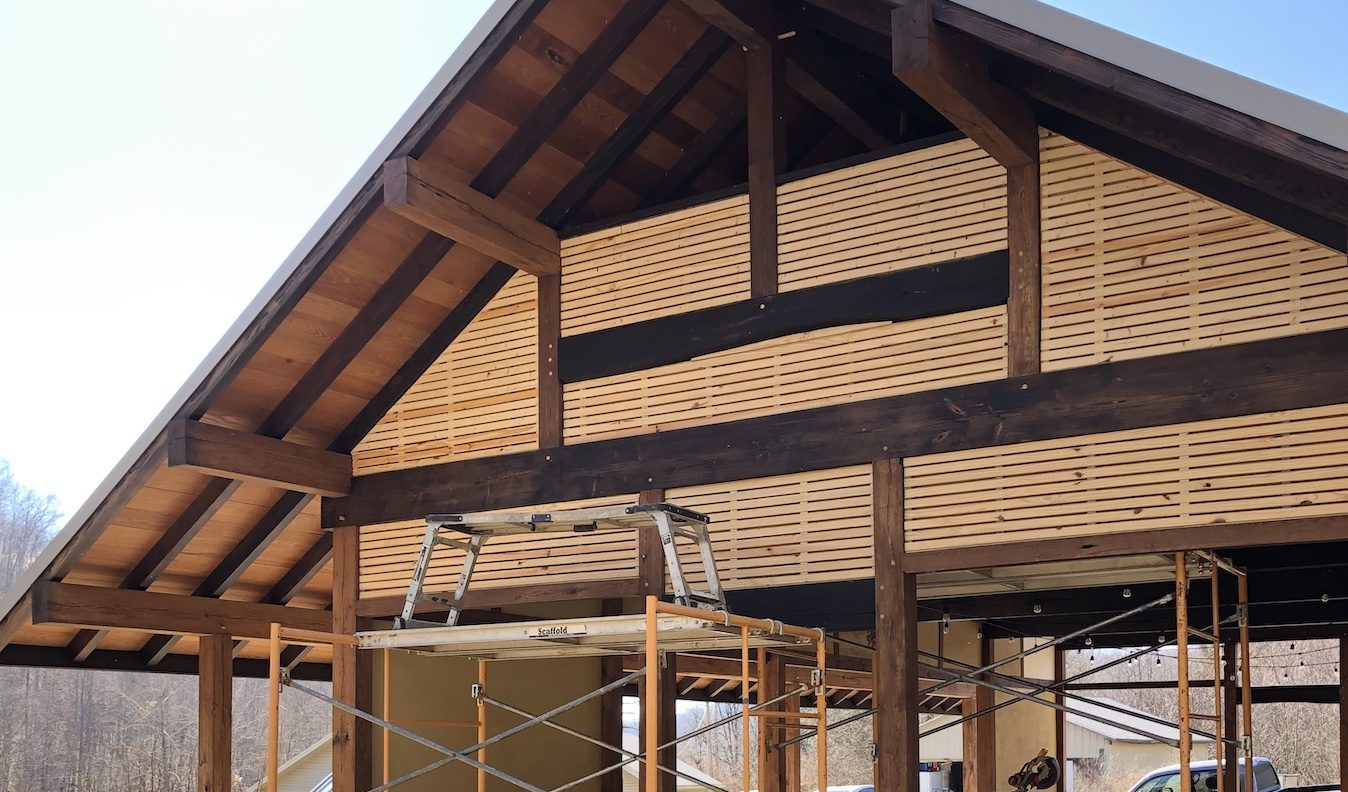
PermaNews Brief
Key Takeaways
Despite severe winter weather, construction on a pavilion and a traditional Japanese storehouse (kura) progressed steadily, now benefiting from improving spring conditions.
- Resilient construction endures harsh winter conditions.
- Project adapts to extreme weather challenges.
- Spring transition aids outdoor building progress.
- Pavilion offers outdoor shelter and gathering space.
- Kura provides robust traditional storage solutions.
Why It Matters
This demonstrates how persistent effort and adaptive strategies can maintain project momentum even in the face of significant environmental obstacles, highlighting the importance of durable design and construction practices.
What to Do Next
Assess your own building projects for weather resilience and consider traditional, robust designs for longevity.
Recommended for: Anyone interested in resilient construction, adaptive project management, and integrating traditional building techniques in challenging environments.
The ongoing construction of a pavilion and a kura (a traditional Japanese storehouse) has persisted through a challenging winter characterized by extreme weather events. This period saw a succession of heavy snowfalls, significant flooding, prolonged stretches of intensely cold nights, and even tornado activity, alongside other varied meteorological phenomena. Despite these difficult conditions, work on both structures has continued steadily.
As the seasons transition, the environment is now entering a more favorable phase. The days are noticeably lengthening, indicating the approach of spring. Concurrently, temperatures are beginning to rise, moving away from the severe cold of winter. This shift in weather patterns is creating more conducive conditions for outdoor construction and is expected to facilitate progress on the pavilion and kura projects. The current period is described as a "sweet transitional spot," highlighting the positive change from the harsh winter.
The pavilion project likely involves the construction of an open-sided structure, often used for shelter, recreation, or as a gathering space in a garden or landscape setting. Its design and materials would typically be chosen to complement its surroundings and provide a functional outdoor area. The kura, on the other hand, is a more specialized structure. Traditional Japanese kura are robust, often fire-resistant storehouses built with thick earthen walls and heavy timber frames. They were historically used for storing valuable goods, food, and family heirlooms, designed to protect their contents from natural disasters and theft. The construction of a kura suggests an intention to incorporate elements of traditional Japanese architecture and functionality into the site, possibly for storage, as a workshop, or even as a unique living space.
The continuation of work through such adverse weather underscores a commitment to the projects. It implies that either the construction methods were adapted to handle the conditions, or that intermittent progress was made whenever brief windows of more manageable weather appeared. The mention of "everything in-between" suggests a highly unpredictable and varied winter, demanding resilience and adaptability from the construction team.
The current warming trend and longer daylight hours are significant for construction. Increased daylight allows for extended working hours without artificial lighting, while higher temperatures make working outdoors more comfortable and can be beneficial for certain building materials, such as concrete or mortar, which cure better in warmer conditions. The easing of extreme weather events like heavy snow and flooding also reduces logistical challenges, such as material delivery and site accessibility.
In summary, the construction of a pavilion and a kura has navigated a severe and diverse winter season. The projects are now benefiting from the improving weather conditions, including longer days and rising temperatures, which are expected to accelerate progress on these architectural endeavors. The nature of the kura project, in particular, points to an interest in traditional building forms and their practical applications.
Source: theyearofmud.com
Related Analysis
- What Climate-Adapted Natural Building Actually Costs in Germany — Climate-adapted natural building in Germany — spanning straw bale, rammed earth, hempcrete, and Passive House-certified …
- Natural Builders Swap Whole-Structure Cob for Hybrid Wall Systems — Several sources suggest natural builders are dividing straw bale and cob by solar orientation within single homes—a func…
Related on PermaNews
- Designing Regenerative Resilience: Participatory Living Labs (How-To Guide)
- Amazonas: Chakra Waldgärten – Dynamische Agroforst-Wunder (Case Study)
- Nagaland's Jhum-Alder Agroforestry: Climate-Smart Farming (Article)
- CIT-ED Pioneers Tribal Food Forest for Climate & Food Security (Case Study)
- weADAPT: 100+ Climate Case Studies & Indigenous Practices (Case Study)
- Water Cycle Restoration Research: Indigenous Wisdom Meets Permaculture (Article)
Explore more in Shelter, Energy & Infrastructure — the full hub for this knowledge area.