Year-Round Harvest: The Rise of Winter Farmers Markets
By Urban Farmer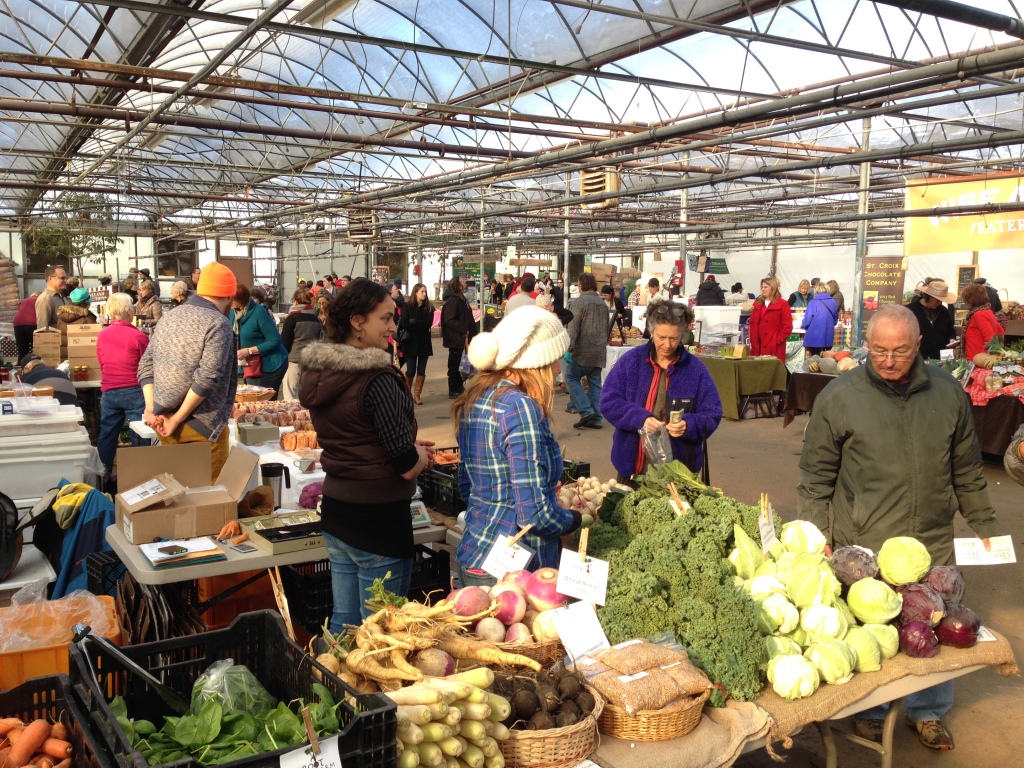
PermaNews Brief
Key Takeaways
Winter farmers markets extend access to local produce and community connections beyond the traditional growing season, offering diverse seasonal goods and supporting local economies.
- Local food access continues year-round.
- Diverse goods available in colder months.
- Supports local farmers and artisans.
- Strengthens community ties.
- Fills gap in local food systems.
Why It Matters
Winter farmers markets are crucial for food security and economic resilience in local communities, ensuring fresh, local options are available consistently.
What to Do Next
Find and visit a winter farmers market in your area to explore local seasonal offerings.
Recommended for: Community organizers, local food advocates, and consumers interested in sustainable, year-round local food systems.
The concept of farmers' markets, traditionally associated with the warmer months, is evolving to include year-round operations, particularly through the establishment of winter markets. These markets offer a continuation of the benefits found in their seasonal counterparts, providing communities with access to locally sourced goods and fostering a connection between consumers and producers even during colder periods.
One of the primary advantages of winter farmers' markets is the sustained availability of fresh, high-quality produce and other agricultural products. While the variety of fresh fruits and vegetables might shift to reflect seasonal availability, consumers can still find items like root vegetables, hardy greens, and storage crops. Beyond produce, these markets often feature a diverse array of other goods. This includes dairy products such as artisanal cheeses, various cuts of locally raised meats, and eggs. Baked goods, often made with locally milled flours or seasonal ingredients, are also common offerings. Furthermore, many winter markets expand their inventory to include processed goods like jams, jellies, pickles, and preserves, which allow producers to extend the shelf life of their harvest. Beverages like fresh coffee, locally produced wines, and ciders are also frequently available, adding to the market's appeal as a community gathering spot.
Beyond food items, some winter farmers' markets incorporate non-food vendors, offering handmade crafts, textiles, and other artisanal products. This diversification not only provides additional shopping opportunities for consumers but also supports a broader range of local entrepreneurs and artists. The inclusion of these items transforms the market from a purely agricultural exchange into a more comprehensive community marketplace.
The establishment of winter farmers' markets addresses a significant gap in the local food system. Traditional farmers' markets typically operate from spring through fall, leaving a period of several months where direct access to local producers is limited. Winter markets bridge this gap, ensuring that consumers can continue to support local agriculture and enjoy fresh, seasonal products throughout the year. This continuity is beneficial for both consumers, who gain consistent access to quality goods, and for farmers, who can maintain a more stable income stream outside of the peak growing season.
These markets also play a crucial role in community building. They serve as regular meeting places where neighbors can interact, share information, and strengthen local ties. The atmosphere of a farmers' market, even in winter, often encourages social engagement and a sense of belonging. This community aspect is particularly valuable during colder months when opportunities for outdoor social interaction might be more limited.
From an economic perspective, winter farmers' markets contribute to the resilience of local economies. By providing a consistent outlet for local products, they help sustain small farms and businesses, preventing a significant drop in sales during the off-season. This economic stability can encourage more individuals to pursue careers in agriculture and artisanal production, further strengthening the local food system and economy.
In essence, winter farmers' markets represent an evolution of the traditional market model, adapting to seasonal changes to provide year-round benefits. They ensure continued access to local food and artisanal products, support local economies, and foster community connections, proving to be a valuable asset for urban and rural areas alike.
Source: urbanfarmonline.com
Related Analysis
- Regenerative Farmers Flip Cover Crop Logic From Compliance to Profit — Practitioner accounts and a new meta-analysis suggest cover cropping is being reframed from conservation practice to pro…
- Farmers Convert Six Weeks of Rhubarb Into 25-Year Supply — Initial signals suggest a rhubarb preservation technique can extend a brief seasonal harvest into 25 years of storage—a …
Related on PermaNews
- Full Garden Tour For May 2026! GROWING 99% Of Our Fresh Food In Containers (Video)
- Daniel Vidal - Zero-Waste Fine Dining That Locals Actually Love (Video)
- The Chicken Tractor That Does EVERYTHING (Free Plans) (Video)
- It's Priceless Eating What You Grow. We Grow Food In Containers On The Rocks All Year Round (Video)
- Re- landscaping corporate campuses into edible landscapes , if you are interested to start a project (Video)
- Ep. 424: 10 Free Feeds from Waste – Permaculture for Meat (Podcast)
Explore more in Food Systems & Growing — the full hub for this knowledge area.