NYBG Seed Saving: Maximize Germination with Simple Steps
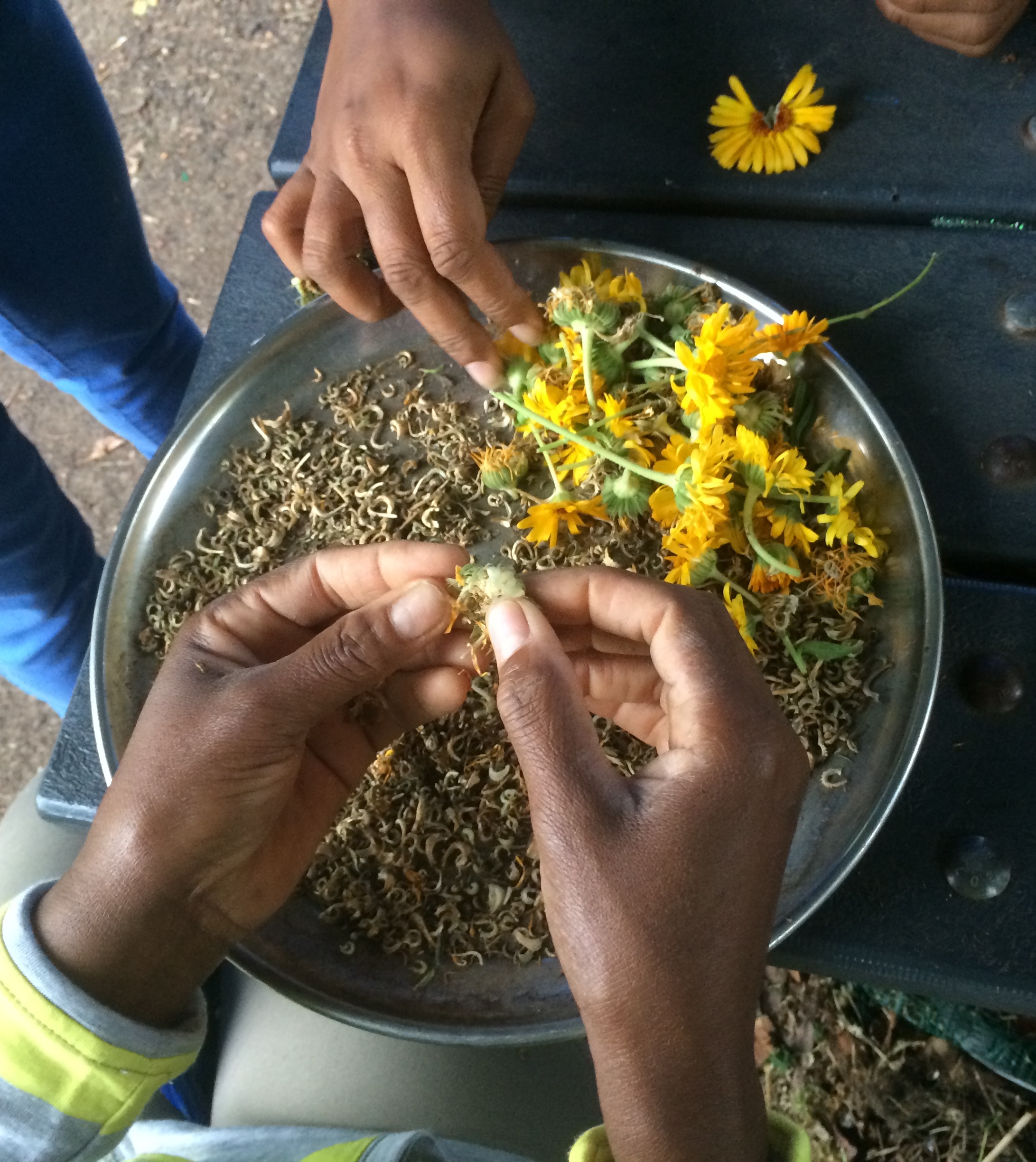
TL;DR: Mastering seed saving involves selecting prime specimens and applying specific cleaning methods for wet or dry seeds to ensure successful germination and preserve plant varieties.
- Select largest, most mature seeds from healthy plants.
- Ferment wet seeds to break down germination inhibitors.
- Dry seed pods on plant or hang entire plant to mature.
- Clean seeds using wet fermentation, dry harvesting, or winnowing.
- Properly dry and store seeds in cool, dry conditions for longevity.
Why it matters: Effective seed saving builds self-sufficiency, maintains genetic diversity, and ensures continuous propagation of desired plant varieties, contributing to resilient permaculture systems.
Do this next: Start with tomatoes or peppers; harvest seeds according to wet processing, ferment, and dry them for next season’s planting.
Recommended for: Gardeners of all levels looking to develop practical skills in seed saving to enhance self-sufficiency and biodiversity in their plots.
This guide from the New York Botanical Garden outlines simple, actionable steps for seed saving, focusing on selecting mature seeds and using appropriate cleaning methods for wet and dry seeds to maximize germination. Choose the biggest, most mature seeds from healthy plants. For wet seeds in fruits like muskmelons, watermelons, squashes, and eggplants, cut open the fruit, remove seeds into buckets or bowls, avoiding paper as wet seeds stick. Use strainers for washing. The wet process involves mixing seeds with water to cover by an inch, fermenting 1-4 days until mold forms (breaking down germination inhibitors like tomato gel sacs), then adding water, swishing, and pouring off floating bad seeds and pulp; viable seeds sink. Rinse in a fine-mesh strainer. For dry seed pods, allow drying on the plant preferably, or pull the whole plant and hang to dry if frost threatens, enabling continued maturation. Harvest into baskets, paper bags, or onion sacks for air circulation. Three cleaning methods are detailed: wet fermentation for fleshy fruits, dry pod harvesting, and winnowing chaff. Post-cleaning, spread seeds thinly to dry immediately to prevent mold. Storage tips include cool, dry conditions. These techniques are concrete for gardeners building self-sufficiency, preventing cross-pollination issues, and applicable in permaculture systems for preserving local varieties. The emphasis on fermentation timing and viability testing via sinking provides practitioners with reliable, hands-on methods to achieve high success rates in seed propagation.