Japan's Natural Plastering: A 50-Min Craft Deep Dive
By Ziggy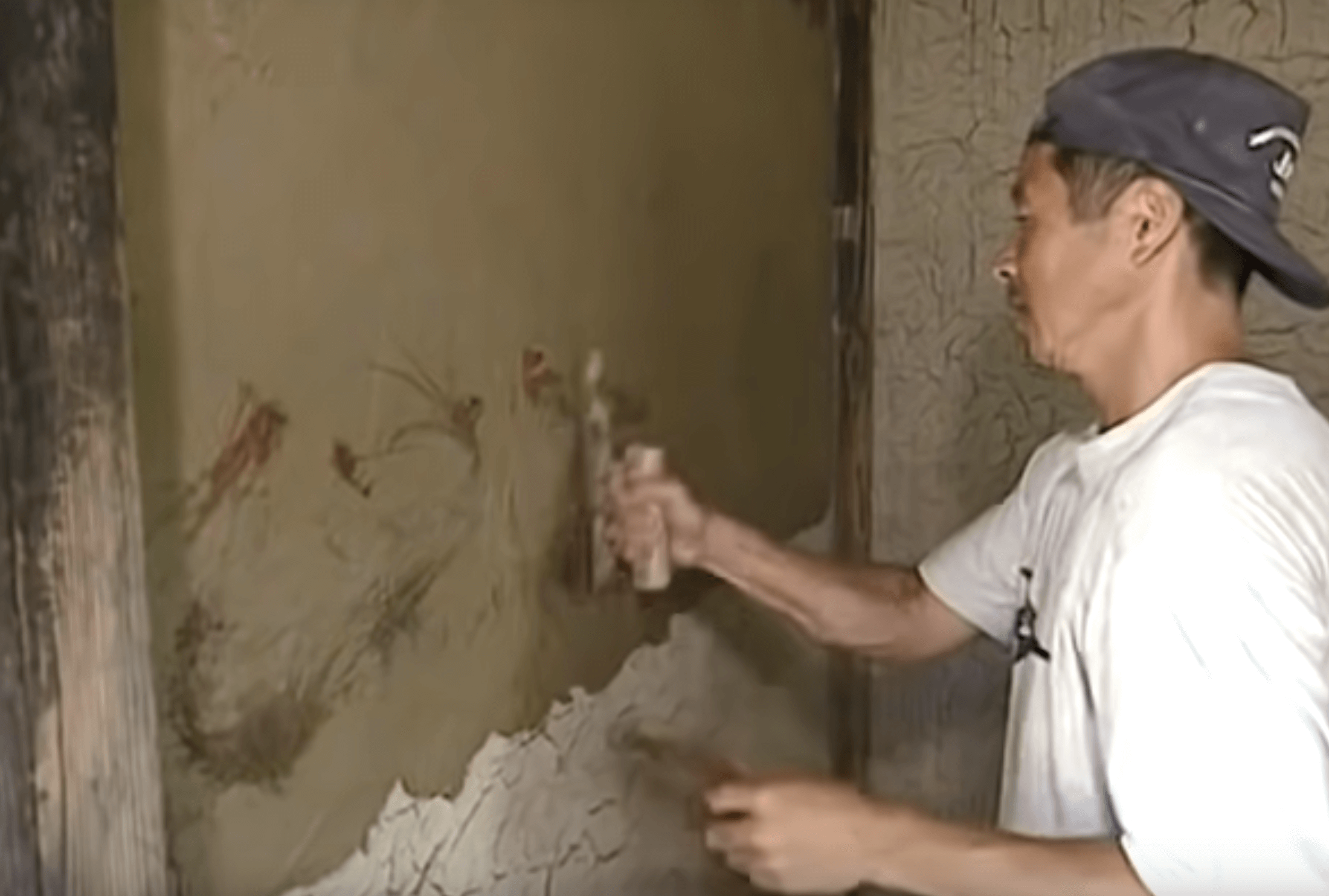
PermaNews Brief
Key Takeaways
Explore the traditional art of Japanese natural plastering, focusing on its techniques, materials, and ecological benefits.
- Learn ancient plastering methods.
- Discover natural and sustainable materials.
- Understand cultural and historical significance.
- Appreciate craftsmanship and precision.
- Explore environmental building benefits.
Why It Matters
Natural plastering offers a sustainable and aesthetically rich building alternative, improving indoor air quality and reducing environmental impact.
What to Do Next
Watch the 50-minute documentary to see techniques firsthand and learn about material preparation.
Recommended for: Builders, natural building enthusiasts, and those interested in sustainable design and traditional crafts.
This article introduces a 50-minute documentary that explores the traditional craft of natural plastering in Japan. The documentary offers an in-depth look at the techniques, materials, and philosophy behind this ancient building practice, which emphasizes harmony with nature and the use of locally sourced, sustainable resources.
The film delves into the intricate processes involved in preparing and applying natural plasters, showcasing the meticulous attention to detail and the deep understanding of materials possessed by Japanese plastering artisans. It highlights how these craftsmen utilize various types of earth, sand, straw, and other organic binders to create durable, breathable, and aesthetically pleasing wall finishes. The documentary likely illustrates the importance of selecting the right proportions and textures of these natural components to achieve specific desired effects, such as insulation, moisture regulation, and visual appeal.
A significant aspect explored is the cultural and historical context of natural plastering in Japan. The documentary probably traces the evolution of these techniques over centuries, demonstrating how they have been refined and passed down through generations. It would likely emphasize the role of plastering not just as a construction method, but as an art form deeply intertwined with Japanese architectural traditions and a broader appreciation for natural beauty and craftsmanship. The film might feature interviews with master plasterers, who share their knowledge, experiences, and the philosophical underpinnings of their work, emphasizing patience, precision, and a profound respect for the materials they use.
Furthermore, the documentary likely examines the environmental benefits of natural plastering. It would underscore how these traditional methods offer sustainable alternatives to modern synthetic materials, reducing the ecological footprint of construction. The use of readily available, biodegradable materials minimizes waste and promotes a healthier indoor environment due to the plasters' ability to regulate humidity and air quality. The film might contrast these natural approaches with contemporary building practices, subtly advocating for a return to more environmentally conscious construction methods.
The documentary also likely provides a visual feast, showcasing the diverse textures, colors, and patterns that can be achieved with natural plasters. From smooth, polished surfaces to rough, textured finishes, the film would illustrate the versatility and artistic potential of this craft. It might feature various architectural examples, from traditional tea houses and temples to modern homes that incorporate these ancient techniques, demonstrating their timeless appeal and adaptability. The film would likely capture the serene and contemplative atmosphere often associated with Japanese craftsmanship, highlighting the dedication and skill required to master this intricate art.
In essence, the documentary serves as an educational and inspirational resource, offering viewers a comprehensive understanding of natural plastering in Japan. It celebrates the enduring legacy of traditional craftsmanship, underscores the environmental advantages of natural building materials, and provides a window into a cultural practice that values sustainability, beauty, and harmony with the natural world.
Source: theyearofmud.com
Related Analysis
- Homeowners Retrofit Properties with Renewable Energy Solutions — Renewable energy retrofitting gains traction as regenerative agriculture principles inform home upgrades. Experts point …
- New Practices Build Climate-Resilient Cob Homes — Cob construction emerges as a key strategy in enhancing resilience against ecological challenges in permaculture systems…
Related on PermaNews
- Dirt Village for 6: 5-Year Off-Grid Family Build (Video)
- Mexico's Bioconstruction: Playa Viva's Natural Building Tech (Case Study)
- Nachhaltig bauen: FNRs virtuelle Baustelle für Holz, Stroh, Hanf (How-To Guide)
- Rammed Earth: 2050 Sustainable Building Material Series Deep Dive (How-To Guide)
- Cob Houses in Cold Climates: Build & Thrive! (How-To Guide)
- Harnessing Sun's Power: Year-Round Comfort & Savings (How-To Guide)
Explore more in Shelter, Energy & Infrastructure — the full hub for this knowledge area.