DIY Seed Starting Mix: Save Money, Grow Stronger Plants
By Rogue Regenerative Agriculture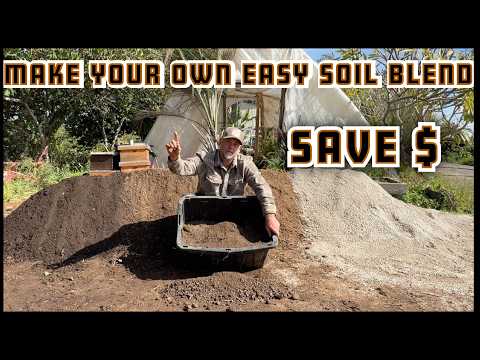
TL;DR: Crafting your own soil mix for seed starting and transplanting provides control over quality, saves money, and optimizes conditions for young plants.
- DIY soil blends save money and allow customization.
- Peat moss or coco coir improve water retention and aeration.
- Perlite or vermiculite enhance drainage and air pockets.
- Compost provides essential nutrients and beneficial microbes.
- Tailor your mix to specific plant needs and environmental factors.
Why it matters: Controlling your soil blend ensures young plants get the best start, leading to healthier growth and potentially higher yields, while also reducing costs associated with pre-made mixes.
Do this next: Explore local sources for peat moss alternatives like coco coir and quality compost to begin experimenting with your own soil blends.
Recommended for: Gardeners of all levels looking to improve their plant starting success while reducing costs and environmental impact.
Creating your own soil blend for starting seeds and transplanting offers a cost-effective and customizable approach to gardening. This DIY method allows gardeners to control the quality and composition of their growing medium, ensuring optimal conditions for young plants. The process typically involves combining several key ingredients, each contributing unique properties essential for healthy plant development.
A foundational component of many homemade soil mixes is peat moss or a sustainable alternative like coco coir. Peat moss is highly valued for its excellent water retention capabilities and its ability to provide a light, airy structure to the soil. This aeration is crucial for root development, preventing compaction that can suffocate young roots. However, due to environmental concerns surrounding peat harvesting, coco coir has emerged as a popular and more sustainable substitute. Derived from coconut husks, coco coir offers similar benefits in terms of water retention and aeration, while also being pH neutral and renewable.
Another vital ingredient is perlite or vermiculite. Both are lightweight, inert materials that significantly improve drainage and aeration. Perlite, a volcanic glass, creates tiny air pockets in the soil, preventing waterlogging and promoting healthy root respiration. Vermiculite, a hydrated mineral, also enhances aeration but has the added benefit of retaining moisture and nutrients, releasing them slowly to the plant roots. The choice between perlite and vermiculite often depends on the specific needs of the plants and the gardener's preference, with some mixes incorporating both for a balanced effect.
Compost is an indispensable element in any high-quality soil blend. It provides a rich source of organic matter, essential nutrients, and beneficial microorganisms. These microorganisms play a crucial role in breaking down organic material, making nutrients available to plants, and improving soil structure. Using well-rotted compost ensures that the blend is free from pathogens and weed seeds, which can be detrimental to delicate seedlings. The type of compost can vary, from general garden compost to specialized worm castings, each offering a slightly different nutrient profile.
Some gardeners also choose to incorporate a small amount of garden soil into their mix, particularly if they are transplanting seedlings into larger containers or directly into the garden. This can help acclimate the young plants to the native soil conditions and introduce beneficial soil microbes from the local environment. However, it's important to ensure that any garden soil used is sterilized to prevent the introduction of pests, diseases, or weed seeds that could harm vulnerable seedlings.
The proportions of these ingredients can be adjusted based on the specific requirements of the plants being grown. For instance, plants that prefer well-drained conditions might benefit from a higher proportion of perlite, while those that require consistent moisture might have more coco coir or vermiculite. The goal is to create a blend that is light, well-draining, moisture-retentive, and nutrient-rich, providing an ideal environment for seeds to germinate and young plants to thrive.
Beyond the basic components, some advanced DIY soil recipes might include amendments like bone meal for phosphorus, kelp meal for trace minerals, or a balanced organic fertilizer to provide a slow-release nutrient boost. These additions can further enhance the nutritional value of the soil blend, supporting robust growth from the very beginning.
In summary, crafting a homemade soil blend for seed starting and transplanting is a practical and rewarding endeavor. By carefully selecting and combining ingredients like peat moss or coco coir, perlite or vermiculite, and quality compost, gardeners can create a superior growing medium tailored to their plants' needs. This not only offers significant cost savings compared to purchasing commercial mixes but also provides a deeper understanding and control over the foundational elements of successful gardening.