Deep-Rooted Plants: Desertification Defense Imperiled by Climate
By Anna Ramon Revilla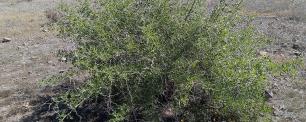
PermaNews Brief
Key Takeaways
Deep-rooted plants are essential for preventing desertification by accessing deep groundwater, but are threatened by climate change and overuse of water sources.
- Deep roots access groundwater, preventing desertification.
- Climate change and over-pumping threaten these plants.
- Loss of deep-rooted plants degrades land.
- Integrated approaches are crucial for conservation.
- Protecting deep roots maintains water cycles.
Why It Matters
Protecting deep-rooted plants is vital for maintaining healthy ecosystems and water cycles, especially in arid regions vulnerable to desertification, directly impacting food security and land stability.
What to Do Next
Research local indigenous plants with deep root systems suitable for your area's climate and soil.
Recommended for: Land managers, conservationists, policymakers, and anyone interested in sustainable arid land management and climate resilience.
This blog post discusses the vital role of deep-rooted plants in arid and semi-arid ecosystems for accessing deep groundwater and preventing desertification. These plants help maintain soil moisture and ecosystem stability by tapping into aquifers that shallow-rooted vegetation cannot reach. However, climate change, reduced rainfall, and overexploitation of aquifers threaten these plants, increasing vulnerability to drought and land degradation. The article advocates for integrated conservation approaches that combine groundwater regulation, rotational grazing, crop rotation, and the incorporation of traditional ecological knowledge to sustain soil and water health. It emphasizes that protecting deep-rooted vegetation is crucial for maintaining the water cycle and preventing further desertification, especially in regions facing increasing water stress due to human activities and climate impacts.
Source: desertification.wordpress.com
Related Analysis
- Designers Push Urban Standard From Sustainable to Regenerative — Early signals point to a push for urban design that actively restores ecosystems, not merely reduces harm — with field-t…
- Scrapped EV Batteries Convert to Solar Storage in Off-Grid Markets — Several sources suggest retired EV batteries are finding a second role in rural off-grid solar systems, potentially lowe…
Related on PermaNews
- Designing Regenerative Resilience: Participatory Living Labs (How-To Guide)
- Amazonas: Chakra Waldgärten – Dynamische Agroforst-Wunder (Case Study)
- Nagaland's Jhum-Alder Agroforestry: Climate-Smart Farming (Article)
- CIT-ED Pioneers Tribal Food Forest for Climate & Food Security (Case Study)
- weADAPT: 100+ Climate Case Studies & Indigenous Practices (Case Study)
- Water Cycle Restoration Research: Indigenous Wisdom Meets Permaculture (Article)
Explore more in Water, Climate & Adaptation — the full hub for this knowledge area.