Amazon's Green Future: Pará Farmers & Agroforestry
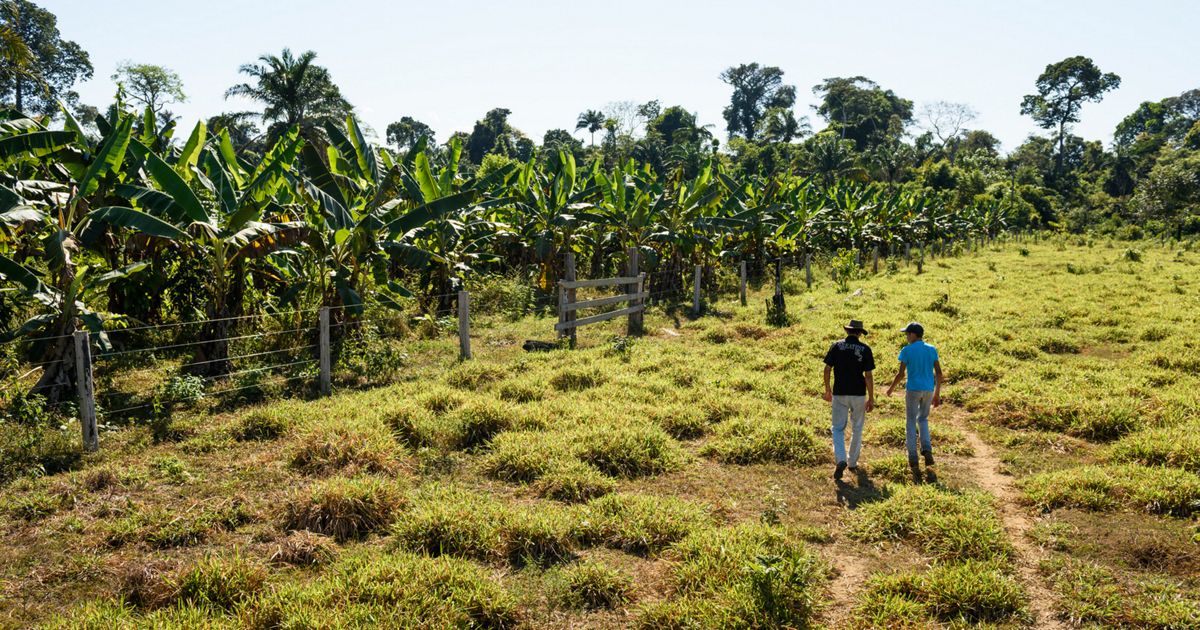
TL;DR: Small farmers in the Amazon are reversing deforestation and boosting incomes by integrating agroforestry, notably with cocoa, supported by a TNC and Amazon Inc. partnership.
- Agroforestry combines food crops and native trees.
- This approach regenerates soil and captures carbon.
- Cocoa is ideal for Amazonian agroforestry.
- The model provides sustainable farmer livelihoods.
- Partnerships drive scalable conservation efforts.
Why it matters: This initiative offers a scalable model for ecological restoration and economic empowerment that can be replicated in other regions facing similar challenges.
Do this next: Research local organizations promoting agroforestry in your area and explore their planting guides for suitable native species.
Recommended for: Smallholder farmers, conservation practitioners, and sustainable development investors interested in scalable agroforestry solutions.
A partnership between The Nature Conservancy (TNC) and Amazon Inc. targets 3,000 small farmers in Pará, Brazil, to adopt agroforestry for deforestation reversal, income growth, and carbon sequestration. Agroforestry grows food crops and native trees together, regenerating soils, capturing carbon, providing wildlife habitat, and ensuring long-term production without land clearing. Cocoa, native to the Amazon and shade-tolerant, is ideal; young plants thrive under forest canopies or alongside vegetation on cleared lands to restore rainforests. TNC's 20-year Amazon work supports this scalable model, offering sustainable livelihoods via cocoa bean sales. Practical details include planting cocoa in forested or recovering areas, leveraging Pará's suitability for this crop. Benefits encompass environmental restoration—trapping carbon naturally—and economic uplift for farmers through marketable products. The initiative provides a roadmap: partner with locals, select native shade crops, integrate trees for multi-benefits, and focus on high-value Amazon natives like cocoa. This approach changes small farming practices to combat deforestation while building resilience, with clear methods for implementation and measurable outcomes in sustainability and income.[3]