Trenchless Drain Repair: Modern Solutions & Advantages
By Ricardo Orlando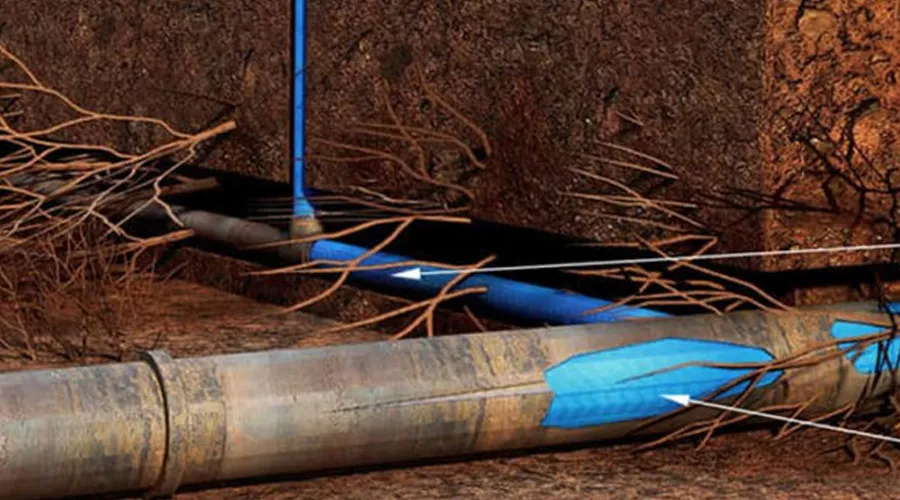
TL;DR: Trenchless drain repair offers efficient, less invasive alternatives to traditional pipe mending, minimizing disruption and costs.
- Trenchless repair avoids extensive digging and property damage.
- Pipe bursting replaces old pipes with new, durable ones.
- Cured-in-place piping creates a new pipe within the old.
- Both methods begin with camera inspection.
- HDPE pipes resist corrosion and root intrusion.
Why it matters: Traditional drain repair causes significant landscape damage and high costs. Trenchless methods provide a modern solution that protects property, saves time, and reduces labor expenses.
Do this next: Research local contractors specializing in trenchless drain repair and request a camera inspection of your drainage system.
Recommended for: Property owners and land managers seeking efficient, minimally invasive solutions for underground pipe repair.
Trenchless drain repair represents a significant advancement over traditional methods, offering a less invasive and more efficient solution for addressing issues within underground piping systems. Historically, fixing a damaged drain involved considerable excavation, which often led to extensive disruption of landscapes, driveways, and other surface structures, alongside prolonged repair times and higher labor costs. Trenchless technology, however, bypasses the need for large-scale digging, providing a modern alternative that minimizes disturbance to property and daily routines.
This innovative approach primarily utilizes two main techniques: pipe bursting and cured-in-place pipe (CIPP) lining. Pipe bursting involves pulling a new pipe through the old, damaged one. A specialized bursting head, attached to the new pipe, is inserted into one access point and then pulled through the existing pipe to another access point. As the bursting head moves, it fractures the old pipe outwards, simultaneously laying the new pipe in its place. This method effectively replaces the entire section of the damaged pipeline with a new, durable one, often made from high-density polyethylene (HDPE), which is resistant to corrosion and root intrusion.
Cured-in-place pipe (CIPP) lining, on the other hand, involves inserting a flexible, resin-saturated liner into the existing damaged pipe. This liner is then inflated and allowed to cure, typically with heat or steam, forming a new, seamless pipe within the old one. The cured liner adheres to the interior walls of the original pipe, creating a strong, durable, and corrosion-resistant new pipe that effectively seals off cracks, leaks, and other damage. This method reduces the internal diameter of the pipe slightly but significantly improves its structural integrity and flow characteristics.
The process for both trenchless methods generally begins with a thorough inspection of the drain system using a high-resolution camera. This allows technicians to accurately diagnose the problem, pinpoint its location, and assess the overall condition of the pipes. Based on this assessment, the most appropriate trenchless technique is chosen. Access points, typically small holes, are then strategically dug at either end of the damaged section of pipe, or in some cases, existing access points like manholes can be utilized. These minimal excavations are a stark contrast to the long trenches required by traditional methods.
The benefits of trenchless drain repair are numerous and compelling. Foremost among them is the minimal disruption to property. Homeowners and businesses can avoid the costly and time-consuming restoration of landscaping, concrete, or other structures that would otherwise be damaged by extensive digging. This also translates to less inconvenience for occupants, as daily activities can largely continue uninterrupted. The repair process itself is often much faster than traditional methods, reducing labor costs and overall project duration. Furthermore, the materials used in trenchless repairs, such as HDPE pipes and CIPP liners, are known for their longevity and resistance to common pipe problems like root intrusion, corrosion, and leaks, leading to a more durable and long-lasting solution. Environmentally, trenchless methods are also more favorable, as they involve less soil disturbance and reduce the amount of waste generated compared to traditional excavation. While the initial cost of trenchless repair might sometimes appear higher than a simple patch repair, the long-term savings from avoiding property restoration, reducing future maintenance, and extending the lifespan of the drainage system often make it a more cost-effective choice in the long run.