Decolonizing Permaculture: Weaving Indigenous Wisdom
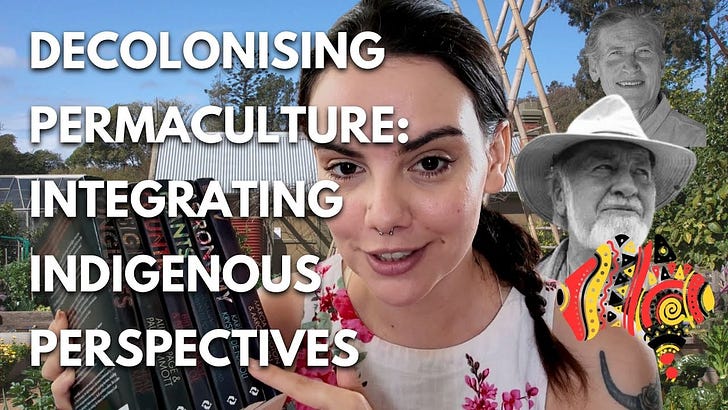
TL;DR: Permaculture must acknowledge and integrate Indigenous knowledge, which is foundational to its principles, to achieve true inclusivity and holistic sustainability.
- Acknowledge Indigenous origins in permaculture design.
- Combat historical erasure of non-Western wisdom.
- Prioritize reciprocal relationships and Indigenous leadership.
- Integrate traditional practices like Aboriginal fire management.
- Educate and partner for ethical knowledge exchange.
Why it matters: Integrating Indigenous perspectives enriches permaculture designs, promotes social justice, and fosters a more holistic and regenerative approach to sustainability.
Do this next: Research local Indigenous land management practices and histories to understand their connection to permaculture principles.
Recommended for: Permaculture practitioners, educators, and anyone interested in ethical and holistic sustainability practices.
Permaculture often fails to credit Indigenous knowledge as foundational, dominated by white practitioners lacking inclusivity. Decolonizing requires acknowledging origins in Indigenous practices worldwide. Historical erasure stems from colonialism, marginalizing non-Western wisdom.
Integration demands reciprocity, land acknowledgment, and leadership by Indigenous voices. Examples include Australian Aboriginal fire management influencing permaculture designs. Challenges: cultural appropriation versus ethical exchange.
Benefits: enriched designs, social justice, holistic sustainability. Steps forward involve education, partnerships, and redesigning curricula. Global movements gain depth through diverse perspectives, fostering true regeneration.