UK Gardens 2026: Sustainable Trends & Climate Resilience
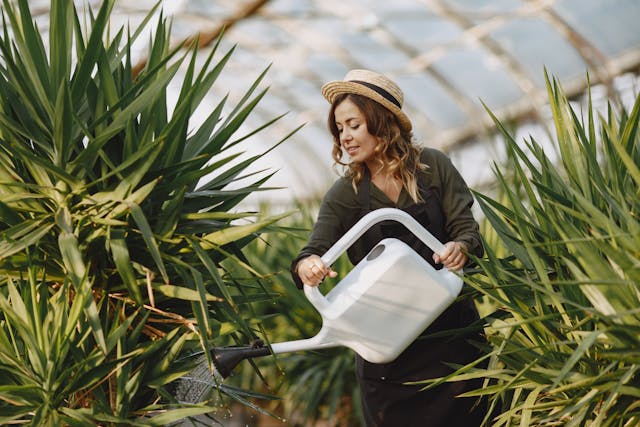
TL;DR: UK gardens are evolving toward climate-smart, low-impact designs, prioritizing efficiency, reclaimed materials, and resilient small-space solutions.
- Embrace climate-responsive design for local conditions.
- Utilize reclaimed and circular materials for longevity.
- Optimize small spaces with vertical planting and efficient layouts.
- Prioritize soil health, water control, and low-maintenance plants.
- Shift from constant upkeep to inherent garden resilience.
Why it matters: These trends reduce resource consumption and create gardens that adapt to environmental extremes, offering practical solutions for homeowners and the environment.
Do this next: Assess your garden for areas where you can implement drought-tolerant plants or water-saving techniques.
Recommended for: Homeowners, urban gardeners, and permaculture enthusiasts seeking to create resilient and sustainable outdoor spaces.
Sustainable gardening trends in the UK for 2026 emphasize climate-smart, low-impact designs that prioritize efficiency over excess inputs, focusing on climate-responsive design, reclaimed materials, and resilient small-space solutions. Sustainability now means using fewer external resources, selecting durable plants and materials, and creating gardens that adapt to extremes rather than resist them. Climate-responsive design observes site conditions: drought-tolerant plants for sunny areas, moisture-retaining options for shade, and layered plantings for wind protection, reducing stress and resource needs. This systemic approach ensures gardens perform optimally with minimal intervention. Reclaimed and circular materials like reused stone, brick, and timber are favored for their longevity and reparability, with modular designs allowing adaptations without waste. These choices prioritize long-term performance over initial aesthetics. Small gardens, patios, and courtyards dominate new UK homes, making smart layouts essential; vertical planting, shared wildlife corridors, and efficient water management maximize impact in limited spaces. Soil health, water control, and low-effort plantings form the foundation of resilient gardens. Trends shift from constant maintenance to designs that handle heat, drought, and variability inherently. Gardeners focus on lasting elements that age gracefully, reducing replanting and waste. This evolution suits urban constraints, proving sustainability thrives regardless of size through intelligent planning. By integrating these principles, UK gardens in 2026 become models of efficiency, supporting biodiversity and climate adaptation while demanding less time and resources from owners.