No-Dig Globe Artichokes: Seed to Harvest Guide
By Charles Dowding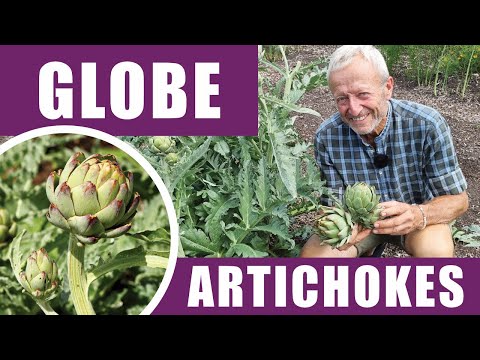
TL;DR: Cultivate globe artichokes successfully from seed using the no-dig method, focusing on indoor starts and gradual outdoor acclimation.
- Choose varieties suitable for your climate.
- Start seeds indoors in late winter/early spring.
- Use quality seed mix; keep moist and warm.
- Transplant seedlings to larger pots to prevent overcrowding.
- Harden off seedlings gradually before planting outside.
Why it matters: Growing globe artichokes from seed with a no-dig method offers a sustainable way to produce a perennial vegetable, enhancing soil health and productivity.
Do this next: Begin germinating globe artichoke seeds indoors in late winter to get a head start on the growing season.
Recommended for: Gardeners interested in cultivating perennial vegetables and adopting sustainable, soil-friendly no-dig techniques.
Growing globe artichokes from seed using a no-dig method offers a sustainable and productive approach to cultivating this perennial vegetable. The process begins with selecting the right variety and understanding the optimal timing for planting. Globe artichokes are known for their large, edible flower buds, and successful cultivation hinges on providing them with the right conditions from the outset.
Starting seeds indoors is generally recommended, particularly in regions with shorter growing seasons or late frosts. This allows the seedlings to establish a strong root system before being transplanted outdoors. The ideal time for indoor sowing is typically in late winter or early spring, around February or March, depending on the local climate. Using a good quality seed starting mix is crucial, as it provides the necessary nutrients and drainage for healthy germination. Seeds should be sown at a shallow depth, usually about half an inch, and kept consistently moist. A warm environment, ideally around 65-75°F (18-24°C), will encourage germination, which can take anywhere from one to three weeks.
Once the seedlings have developed a few true leaves and are robust enough to handle, they can be pricked out and transplanted into larger pots. This step gives them more space to grow and prevents overcrowding, which can stunt their development. During this stage, it's important to continue providing adequate light and moisture. If natural light is insufficient, supplemental grow lights can be beneficial. Hardening off the seedlings is a critical step before transplanting them outdoors. This involves gradually exposing them to outdoor conditions over a period of about a week to ten days, starting with a few hours a day in a sheltered location and slowly increasing their exposure to sun and wind. This process helps them acclimate to the outdoor environment and reduces transplant shock.
For the no-dig method, preparing the planting site involves layering organic materials rather than tilling the soil. This approach improves soil structure, fertility, and water retention over time. A thick layer of compost, well-rotted manure, or other organic matter is spread directly onto the existing soil surface. This layer provides a rich growing medium for the artichoke plants and suppresses weeds. Globe artichokes are heavy feeders and thrive in fertile, well-drained soil with a slightly acidic to neutral pH (6.0-7.0). They also require full sun, meaning at least six to eight hours of direct sunlight per day.
When transplanting the hardened-off seedlings, they should be spaced adequately to allow for their mature size. Globe artichokes can grow quite large, so a spacing of about three to four feet between plants is generally recommended. Dig a hole in the prepared no-dig bed that is slightly larger than the root ball of the seedling. Carefully place the seedling in the hole, ensuring the top of the root ball is level with the surrounding soil. Backfill with compost and gently firm the soil around the base of the plant. Water thoroughly after transplanting to help settle the soil and reduce stress.
Ongoing care for globe artichokes includes consistent watering, especially during dry periods, as they prefer consistently moist soil but not waterlogged conditions. Mulching around the base of the plants with additional compost or straw helps retain soil moisture, suppress weeds, and regulate soil temperature. As perennial plants, globe artichokes will produce for several years. In colder climates, some winter protection may be necessary. This can involve cutting back the foliage in late fall and covering the crowns with a thick layer of mulch, straw, or even a cloche to protect them from freezing temperatures. In milder climates, they may not require as much winter protection.
Harvesting typically begins in the second year after planting, as the first year is primarily focused on establishing a strong root system. The edible flower buds should be harvested when they are firm and tightly closed, before they begin to open and flower. Cutting the stem about an inch below the bud encourages the plant to produce more buds. Regular harvesting promotes continued production throughout the
Source: youtube.com
Related Analysis
- Farms Build Resilience, Pivot to Regenerative Soil — New initiatives and analysis explicitly frame regenerative agriculture as a direct solution for climate resilience, focu…
- Federal Policy Pivots, Builds Indigenous Agriculture Frameworks — Federal policy trends are integrating Indigenous knowledge with soil science in regenerative agriculture, shifting polic…
Related on PermaNews
- Unlock Amazing Soil: Compost & No-Dig for Any Space (Video)
- Year-Round Harvest: The 6-Month Storage Perennial Vegetable (Video)
- Growing Peppers from Seed in Zone 4 (From Sweet Bells to the World's Hottest!) (Video)
- Year-Round Garlic: Perennial Allium Sativum Harvests! (Video)
- Seed Starting Success: Inoculation & Soil Biology Techniques (Video)
- Seed Starting Secrets: Light, Heat, Soil, Cell Size Explored (Video)
Explore more in Food Systems & Growing — the full hub for this knowledge area.