Carma Fish: Ethical Fishing & Self Sufficiency in Australia
By Self Suffishing Me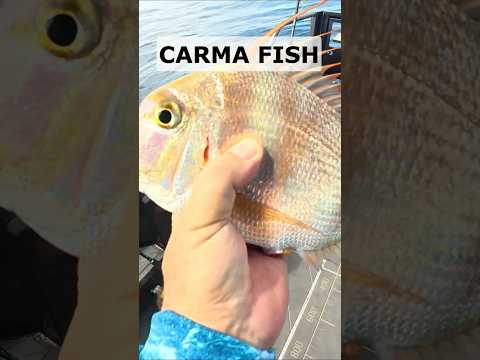
TL;DR: Responsible and informed fishing practices, dubbed "Carma Fish," lead to better outcomes and sustainable marine environments.
- Respecting marine life and environment improves fishing success.
- Adhere to regulations for sustainable fish populations.
- Careful release of fish minimizes harm.
- Thorough planning enhances fishing trip success.
- Considerate behavior fosters positive fishing communities.
Why it matters: Adopting a "Carma Fish" approach not only boosts individual fishing success but also ensures the long-term health and abundance of aquatic ecosystems, benefiting everyone.
Do this next: Learn about your local fishing regulations and practice careful catch and release.
Recommended for: Anglers and outdoor enthusiasts interested in sustainable practices and ethical consumption of natural resources.
This article, titled "Carma Fish," discusses the concept of "Carma Fish" within the context of Australian fishing. The author, from "Self Suffishing Me," explores the idea that the effort and respect a fisher puts into their activity can influence their success and the quality of their catch. This isn't about a mystical or supernatural force, but rather a practical approach to fishing that emphasizes responsible practices and a deep understanding of the marine environment.
The core principle of "Carma Fish" revolves around the idea that treating the environment, the fish, and other fishers with respect ultimately leads to more rewarding experiences. This includes adhering to fishing regulations, such as size and bag limits, to ensure sustainable fish populations. The author highlights the importance of releasing undersized or breeding fish carefully, minimizing harm, and using appropriate tackle to reduce stress on the fish. This responsible approach is presented not just as an ethical obligation but as a strategy that contributes to the long-term health of fishing grounds, thereby benefiting all who participate.
Furthermore, "Carma Fish" extends to the preparation and execution of a fishing trip. It suggests that thorough planning, understanding weather patterns, tides, and fish behavior, and maintaining equipment properly are all elements of this "carma." A well-prepared fisher is more likely to have a successful outing, not because of luck, but because they have invested the necessary effort and knowledge. This proactive approach is contrasted with haphazard fishing, which often yields less desirable results.
The article also touches upon the social aspect of fishing. It implies that being a considerate fisher, respecting other anglers' space, and sharing knowledge (when appropriate) contributes to a positive fishing community. This communal respect can, in turn, lead to shared insights about good fishing spots or techniques, indirectly enhancing one's own fishing prospects. The author suggests that a positive attitude and a willingness to learn from both successes and failures are integral to cultivating good "Carma Fish."
Ultimately, "Carma Fish" is presented as a holistic philosophy for Australian fishing. It encourages fishers to view their activity not just as a pursuit of a catch, but as an interaction with a complex ecosystem. By prioritizing sustainability, ethical treatment of marine life, diligent preparation, and community respect, fishers can enhance their personal enjoyment and contribute to the preservation of fishing resources for future generations. The article advocates for a mindful approach to fishing, where the rewards are not solely measured by the size or quantity of the catch, but also by the quality of the experience and the positive impact on the environment.
Source: youtube.com
Related Analysis
- Farmers Convert Six Weeks of Rhubarb Into 25-Year Supply — Initial signals suggest a rhubarb preservation technique can extend a brief seasonal harvest into 25 years of storage—a …
- Compost Builds Soil Microbiomes—But Human Waste Divides Practitioners — A small but consistent set of signals indicates composting's soil benefits are well-documented, while human-waste compos…
Related on PermaNews
- Design Starts with Water (Video)
- Permaculture is Revolution Disguised as Gardening | David Holmgren—Wild & Kind series, Morag Gamble (Video)
- UN Issues AI Warning After New Data Reveals Major Impact on the Planet and Its Resources (Article)
- What is Permaculture? (Video)
- Nearly 300 Studies Link the Common Pesticide Chlorpyrifos to Multi-Organ Damage, DNA Disruption, and Chronic Disease (Article)
- Topsoil is the basis of life on Earth (Video)
Explore more in Food Systems & Growing — the full hub for this knowledge area.