September 2022 Self-Sufficiency Challenge: Part 1 Tasks
By Self Sufficient Hub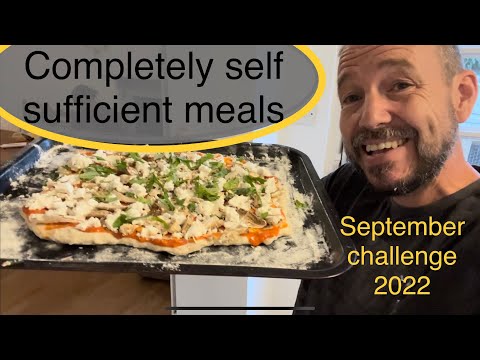
PermaNews Brief
Key Takeaways
The September Challenge encourages self-sufficiency through practical tasks like food preservation, seed saving, and water conservation.
- Preserve surplus food to reduce waste and build reserves.
- Save seeds from mature plants for future growing seasons.
- Implement water conservation strategies like rain barrels.
- Engage with local resources for sustainable living practices.
Why It Matters
These practices build household resilience, promote sustainable living, and reduce reliance on external systems for food and resources.
What to Do Next
Start a food preservation project with your garden surplus or local market finds.
Recommended for: Anyone interested in practical steps towards greater self-sufficiency and sustainable living practices.
The September Challenge for 2022, as outlined by Self Sufficient Hub, presented a series of tasks designed to promote self-sufficiency and sustainable living practices throughout the month. This initial part of the challenge focused on foundational activities, encouraging participants to engage with their environment and resources in a more deliberate and productive manner. The overarching goal was to foster a deeper connection to food production, resource management, and community engagement.
One of the primary components of the challenge involved food preservation. Participants were encouraged to process and store excess produce, whether from their own gardens, local markets, or foraging efforts. This included methods such as canning, freezing, dehydrating, and fermenting. The emphasis was on reducing food waste and building a pantry of homegrown or locally sourced provisions for the colder months. This aspect of the challenge aimed to highlight the importance of seasonal eating and the benefits of having a readily available supply of preserved foods, contributing to household resilience.
Another significant task centered on seed saving. Participants were guided to identify mature plants in their gardens and collect viable seeds for future planting seasons. This practice is crucial for maintaining genetic diversity, adapting plants to local conditions, and reducing reliance on external seed suppliers. The challenge encouraged proper drying, cleaning, and storage techniques for various types of seeds, ensuring their longevity and germination success. This element underscored the cyclical nature of gardening and the long-term benefits of self-reliance in seed production.
Water conservation and management also formed a key part of the September Challenge. Participants were prompted to assess their water usage and implement strategies to reduce consumption and capture rainwater. This could involve installing rain barrels, improving irrigation efficiency, or simply being more mindful of water use in daily activities. The challenge aimed to raise awareness about water as a precious resource and to encourage sustainable practices that lessen the environmental impact and build resilience against potential water shortages.
Furthermore, the challenge encouraged participants to engage in soil improvement activities. This included composting organic waste, creating worm farms, and applying natural amendments to garden beds. The focus was on building healthy, living soil, which is fundamental to productive gardening and sustainable land management. Participants were educated on the benefits of rich, organic soil for plant health, water retention, and carbon sequestration, promoting a holistic approach to garden care.
Community engagement was another underlying theme. While not always an explicit task, many of the activities naturally lent themselves to sharing knowledge, resources, and produce with neighbors and local groups. The challenge implicitly fostered a sense of collective effort towards self-sufficiency, encouraging participants to learn from each other and build stronger, more resilient communities. This collaborative aspect is often a cornerstone of permaculture principles, emphasizing mutual support and resource sharing.
Finally, the September Challenge aimed to instill a mindset of observation and planning. Participants were encouraged to spend time observing their gardens and local environment, identifying patterns, and planning for future endeavors. This reflective practice is essential for adapting strategies, learning from experiences, and continuously improving self-sufficiency efforts. The challenge served as a structured framework for individuals to embark on or deepen their journey towards a more sustainable and self-reliant lifestyle, laying the groundwork for continued progress throughout the year.
Source: youtube.com
Related Analysis
- City Renters Quit Leases to Build Off-Grid From Scratch — Early signals from two documented cases suggest urban renters are leaving city leases to build off-grid homesteads, citi…
- Site Structure, Not Backlinks, May Drive AI Citations — A small cluster of sources indicates AI citation behavior may favor site structure and entity clarity over backlinks—a p…
Related on PermaNews
- After a Decade of Work: Building an Affordable Earth Home (Video)
- Family wanted to start over. They helped build opt-in village, applications open (Video)
- Holmgren's RetroSuburbia: Downshifting for a Resilient Future (Article)
- 20 Rainwater Harvesting Design Tips for Permaculture (Video)
- Permaculture's Core: Ancient Tech for Modern Design (Video)
- Unlock the 12 Permaculture Principles: Your Guide to a Sustainable Future (How-To Guide)
Explore more in Skills, Preparedness & Self-Reliance — the full hub for this knowledge area.