Self-Sufficient Tanya: Career vs. Purpose for Moms
By Self Sufficient Homesteading & Gardening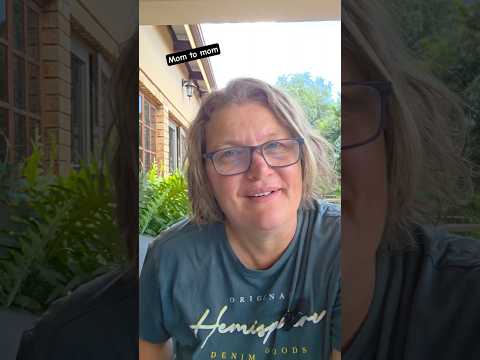
TL;DR: Mothers often face a conflict between career advancement and a purpose-driven life centered on family and self-sufficiency, with significant personal and societal implications.
- Redefine success beyond traditional career metrics.
- Align personal values with daily activities and goals.
- Embrace self-sufficiency as a path to fulfillment.
- Navigate societal pressures with clear purpose.
- Prioritize meaning over purely financial gains.
Why it matters: This exploration helps mothers navigate critical life choices, fostering personal fulfillment and sustainable living despite societal pressures to pursue conventional careers.
Do this next: Reflect on your personal definition of purpose and how it aligns with your current life choices and aspirations.
Recommended for: Mothers and individuals seeking to align their professional aspirations with a meaningful, self-sufficient lifestyle.
The article discusses the internal conflict many mothers face when balancing their professional aspirations with their desire for a life of purpose, often centered around family and self-sufficiency. It delves into the societal pressures that often push women towards traditional career paths, even when those paths may not align with their deeper values or long-term goals. The author, a mother herself, shares her personal journey and reflections on navigating this complex landscape.
A central theme is the distinction between a "career" and a "purpose." A career is often defined by external metrics such as salary, job title, and corporate ladder climbing. While these can provide financial stability and a sense of achievement, they may not always fulfill an individual's intrinsic need for meaning and contribution. Purpose, on the other hand, is described as an internal compass, guiding one towards activities and a lifestyle that resonate with their core beliefs and passions. For many mothers, this purpose often involves nurturing their families, creating a sustainable home environment, and contributing to their communities in a more direct and tangible way, such as through homesteading or gardening.
The article highlights the challenges of stepping away from a conventional career, particularly the financial implications and the potential for societal judgment. There's an acknowledgment of the significant investment, both in time and education, that often goes into building a career, making the decision to pivot towards a purpose-driven life a difficult one. However, the author emphasizes that the rewards of aligning one's life with their purpose can far outweigh these challenges, leading to greater personal fulfillment and a more meaningful existence.
The concept of "self-sufficiency" is presented as a key component of this purpose-driven life. This isn't just about growing one's own food or generating one's own power; it extends to emotional, intellectual, and spiritual independence. By reducing reliance on external systems and cultivating skills that empower them to meet their own needs, individuals can gain a greater sense of control and resilience. For mothers, this often translates into creating a home environment where children can learn practical skills, appreciate the value of hard work, and develop a strong connection to the natural world.
The article also touches upon the importance of community and support systems for mothers pursuing a self-sufficient lifestyle. It acknowledges that this path can be isolating at times, and connecting with like-minded individuals can provide encouragement, shared knowledge, and a sense of belonging. This communal aspect reinforces the idea that while self-sufficiency emphasizes individual capability, it doesn't negate the human need for connection and collaboration.
Ultimately, the piece encourages mothers to engage in introspection and define what truly matters to them. It advocates for a conscious choice to prioritize purpose over societal expectations, even if that means forging an unconventional path. The author's personal narrative serves as an example of how one can transition from a career-focused mindset to a purpose-driven life, demonstrating that it is possible to create a fulfilling existence that integrates family, personal values, and a commitment to self-sufficiency. The article concludes by suggesting that this journey is not about abandoning ambition, but rather redefining it in a way that aligns with one's deepest desires for a meaningful and impactful life.