Fava Bean Abundance: Ancient Crop for Your Garden
By Leanne Croker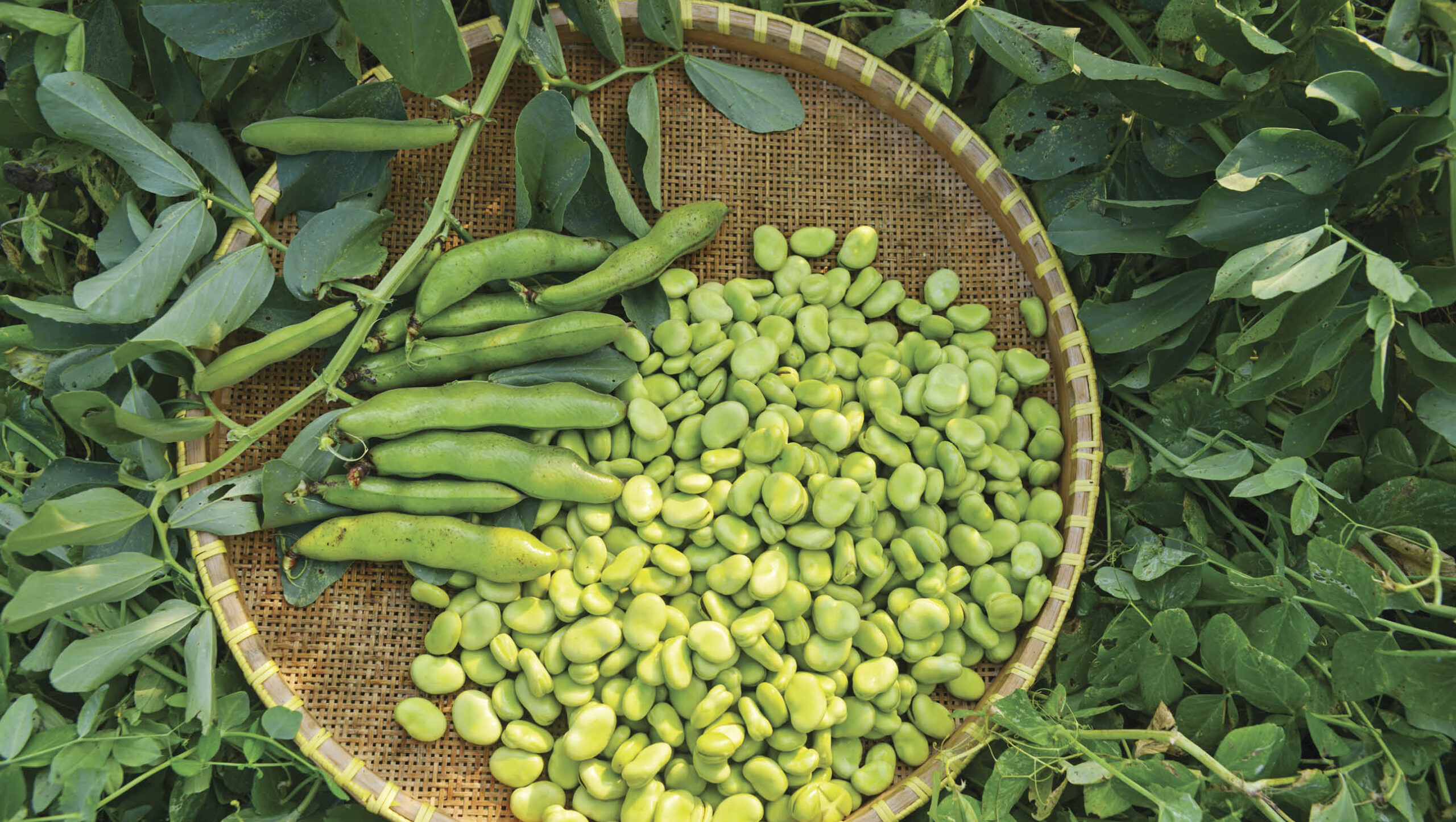
TL;DR: Broad beans improve soil health through nitrogen fixation and provide a nutritious, versatile food source, making them an excellent choice for home gardens.
- Broad beans boost soil fertility by fixing atmospheric nitrogen.
- They reduce reliance on synthetic nitrogen fertilizers.
- Broad beans are a versatile and nutritious food source.
- They are easy to grow for most gardening skill levels.
- Ideal for crop rotation and sustainable gardening practices.
Why it matters: Integrating broad beans into your garden enhances soil health naturally and provides a sustainable, nutritious food source, reducing the need for external inputs.
Do this next: Plant broad bean seeds this season to enrich your soil and enjoy a fresh harvest.
Recommended for: Gardeners of all levels looking to enhance soil health, practice sustainable agriculture, and grow nutritious food.
Broad beans, also recognized as fava beans, represent a historically significant agricultural crop, having been cultivated for millennia. Their enduring presence in human agriculture speaks to their versatility and value, making them a highly beneficial addition to any home garden. These plants offer a multitude of advantages, extending beyond their edible pods and beans to encompass their positive impact on soil health and their role in a sustainable gardening system.
One of the primary benefits of broad beans is their contribution to soil fertility. As members of the legume family, they possess the remarkable ability to fix atmospheric nitrogen into the soil. This process is facilitated by symbiotic bacteria residing in nodules on their roots. Nitrogen is a crucial nutrient for plant growth, and by enriching the soil with it, broad beans reduce the need for external nitrogen fertilizers, thereby promoting a more natural and environmentally friendly approach to gardening. This nitrogen-fixing capability makes them an excellent choice for crop rotation, as they can replenish nutrients depleted by previous crops, preparing the soil for subsequent plantings.
Beyond their soil-enhancing properties, broad beans are a nutritious and versatile food source. The young pods can be eaten whole, offering a tender and slightly sweet flavor. As the beans mature, they can be shelled and cooked in various ways, from boiling and steaming to roasting and incorporating into stews and salads. They are a good source of protein, dietary fiber, vitamins (such as folate and B vitamins), and minerals (including iron and manganese), contributing to a balanced and healthy diet. Their substantial nutritional profile makes them a valuable crop for food security, especially in regions where access to diverse food sources might be limited.
Cultivating broad beans is generally straightforward, making them suitable for gardeners of varying experience levels. They are relatively hardy plants that can tolerate a range of soil conditions, although they prefer well-drained soil with a neutral to slightly alkaline pH. They can be sown directly into the ground in cooler climates during late autumn or early spring, and in warmer regions during late summer or early autumn. Their robust nature means they are less susceptible to many common pests and diseases compared to some other garden vegetables, further simplifying their cultivation.
Furthermore, broad beans can play a role in integrated pest management. Their flowers attract beneficial insects, such as bees and other pollinators, which are essential for the reproduction of many other garden plants. The presence of these pollinators can enhance the overall biodiversity of the garden ecosystem. While broad beans are generally resilient, monitoring for common issues like black bean aphid infestations is advisable, though these can often be managed with organic methods.
In summary, broad beans are a multifaceted and highly valuable plant for any home gardener. Their ancient lineage underscores their proven utility, while their modern applications highlight their continued relevance in sustainable food production. From their ability to enrich soil with nitrogen and their nutritional density to their ease of cultivation and role in supporting beneficial insects, broad beans offer a comprehensive package of benefits that contribute to a thriving and productive garden ecosystem. Their inclusion in a garden plan can lead to healthier soil, a more diverse harvest, and a more resilient gardening practice.