Goat Kids Arrive at Farmer Jo Homesteading!
By Farmer Jo Homesteading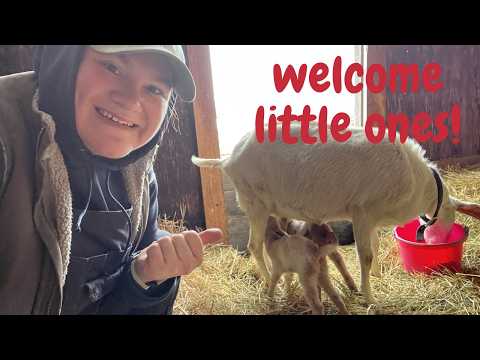
TL;DR: New goat kids arriving on a homestead require attentive observation and preparedness for a smooth birthing process and healthy recovery.
- Monitor pregnant goats for signs of impending labor.
- Ensure a calm, clean environment for birthing.
- Observe presentation of the kid during delivery.
- Be ready to assist with birthing complications.
- Provide post-partum care for mother and kids.
Why it matters: Successful goat kidding contributes to herd expansion, genetic diversity, and overall farm productivity for homesteaders and small-scale farmers.
Do this next: Learn to recognize early signs of labor in goats to prepare for kidding.
Recommended for: Homesteaders, small-scale farmers, and those interested in animal husbandry and responsible livestock management.
The recent arrival of new goat kids at Farmer Jo Homesteading marks a significant event for the farm, bringing with it the usual mix of excitement and careful management. The birthing process, while natural, always requires attentive observation to ensure the well-being of both the mother and her offspring. This particular kidding season has introduced several new additions to the herd, expanding the farm's livestock and contributing to its overall productivity and genetic diversity.
The initial stages of labor were closely monitored, with the farm staff ensuring a calm and clean environment for the expectant mother. Goats typically exhibit clear signs of impending birth, such as restlessness, pawing at the ground, and a noticeable softening around the tailhead. Recognizing these cues is crucial for timely intervention if any complications arise, though most goat births proceed without major issues. The farm's experience with previous kiddings likely informed their preparedness, allowing them to anticipate and respond effectively to the unfolding events.
Once the birthing commenced, the focus shifted to ensuring a smooth delivery. The appearance of hooves and a nose is a positive indicator that the kid is presenting correctly. In cases where the presentation is abnormal, such as a breach birth or a malpositioned limb, skilled assistance may be necessary to reposition the kid and facilitate delivery. The farm's readiness to provide such assistance, if needed, underscores their commitment to animal welfare.
Following the successful birth of each kid, immediate attention was given to both the mother and her newborns. The mother, after the strenuous process of labor, requires time to recover and bond with her offspring. Ensuring she has access to fresh water and appropriate feed is vital for her post-partum health and milk production. The kids, upon arrival, are typically licked clean by their mother, which stimulates circulation and encourages them to stand and nurse.
The first few hours and days are critical for the newborns. Ensuring they receive colostrum, the first milk produced by the mother, is paramount. Colostrum is rich in antibodies and nutrients, providing essential immunity and energy to the vulnerable kids. Observing that each kid is nursing effectively and regularly is a key part of early care. Weak or struggling kids may require supplemental feeding or closer monitoring to ensure their survival and healthy development.
The new additions to the herd will contribute to the farm's various operations. Goats are valued for their milk, meat, and fiber, depending on the breed and the farm's specific objectives. The new kids represent the future of these endeavors, potentially growing into productive members of the herd. Their integration into the existing social structure of the goat herd will be a gradual process, as they learn to navigate their environment and interact with older animals.
Beyond the practical aspects, the arrival of new life on the homestead often brings a sense of renewal and accomplishment. It signifies the continuation of the farming cycle and the successful stewardship of the animals. The ongoing care for these young animals will involve regular health checks, appropriate nutrition, and protection from environmental stressors. As they grow, they will be observed for signs of healthy development, and any potential health issues will be addressed promptly. The entire process, from anticipation to birth and subsequent care, highlights the dedication and expertise required in homesteading and animal husbandry.