January Plot Tour: Primed for Growth & Winter Challenges
By Outgrow : The Art & Practice of Self-sufficiency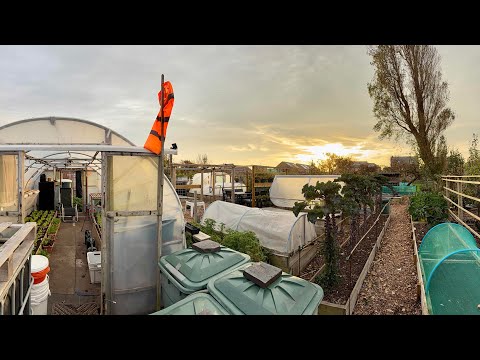
TL;DR: A gardener reviews their permaculture plot in January, showcasing the progress of no-dig beds, a young fruit tree guild, and soft fruit areas, despite winter conditions.
- No-dig beds improve soil with layered organic matter.
- Fruit tree guilds create self-sustaining ecosystems.
- Mulching retains moisture and suppresses weeds.
- Winter challenges test garden resilience.
- Planning is crucial for future garden development.
Why it matters: Implementing permaculture principles like no-dig and guilds can build resilient, productive gardens that improve soil health and support biodiversity, even in challenging climates.
Do this next: Consider starting a no-dig bed in your garden using layered organic materials such as cardboard, wood chips, and compost.
Recommended for: New gardeners and those looking to implement permaculture principles for long-term garden health and productivity.
This January plot tour provides an update on the progress and plans for a permaculture garden, highlighting various aspects of its development and the challenges encountered during the winter months. The garden, which is still relatively new, is showing promising signs of growth and resilience, despite the colder weather.
One of the key areas of focus is the main growing bed, which has been prepared with a no-dig approach. This method involves layering organic materials such as cardboard, wood chips, and compost directly onto the soil, rather than tilling it. This technique aims to improve soil structure, retain moisture, and encourage beneficial soil organisms. The bed is currently covered with a thick layer of wood chips, which will break down over time, enriching the soil. Beneath the wood chips, a layer of cardboard acts as a weed suppressant, while also providing a carbon source for soil microbes. The intention is to plant a variety of vegetables in this bed once the weather warms up, including brassicas, root vegetables, and leafy greens.
Another significant feature of the garden is the fruit tree guild. This permaculture concept involves planting a central fruit tree surrounded by a diverse array of companion plants that provide various benefits, such as nutrient accumulation, pest deterrence, and ground cover. The fruit tree in this guild is a young apple tree, which is still establishing itself. Around the apple tree, several companion plants have been established or are planned. These include comfrey, a dynamic accumulator that draws up nutrients from deep in the soil, and various herbs that can deter pests and attract beneficial insects. The ground around the tree is also mulched to retain moisture and suppress weeds. The long-term goal for this guild is to create a self-sustaining ecosystem that supports the health and productivity of the apple tree.
The garden also features a dedicated area for soft fruit, including raspberries and currants. These plants are well-suited to the local climate and are expected to provide a good yield in the coming seasons. The raspberry canes have been pruned to encourage new growth and fruit production, and the ground around them has been mulched to conserve moisture. The currants are also showing signs of new growth, indicating their successful establishment. The plan is to expand this soft fruit area in the future, incorporating more varieties and potentially creating a dedicated fruit cage to protect the berries from birds.
A small pond has been incorporated into the garden design, serving multiple purposes. It acts as a water source for wildlife, attracting frogs, newts, and beneficial insects, which can help with pest control. The pond also contributes to the overall biodiversity of the garden and can help regulate the microclimate. The edges of the pond have been planted with native aquatic plants, which provide habitat and help filter the water. The long-term vision for the pond is to integrate it more fully into the garden's water management system, potentially using it as a source for irrigation.
The garden also includes a small herb spiral, a permaculture design element that creates different microclimates within a small footprint, allowing for the cultivation of a variety of herbs with different growing requirements. The spiral is constructed from stones, which absorb and radiate heat, creating warmer and drier conditions at the top and cooler, moister conditions at the bottom. Various herbs, such as rosemary, thyme, mint, and parsley, are planned for planting in the spiral, taking advantage of these varied conditions.
Winter challenges have included managing weeds, particularly perennial varieties, and protecting young plants from frost. The no-dig approach in the main bed is expected to significantly reduce weed pressure over time. For frost protection, cloches and horticultural fleece have been used for more tender plants. The overall strategy is to build soil health and biodiversity, which will naturally enhance the garden's resilience to pests, diseases, and adverse weather conditions. The garden is a continuous learning process, with observations and adjustments being made regularly to optimize its productivity and ecological balance.